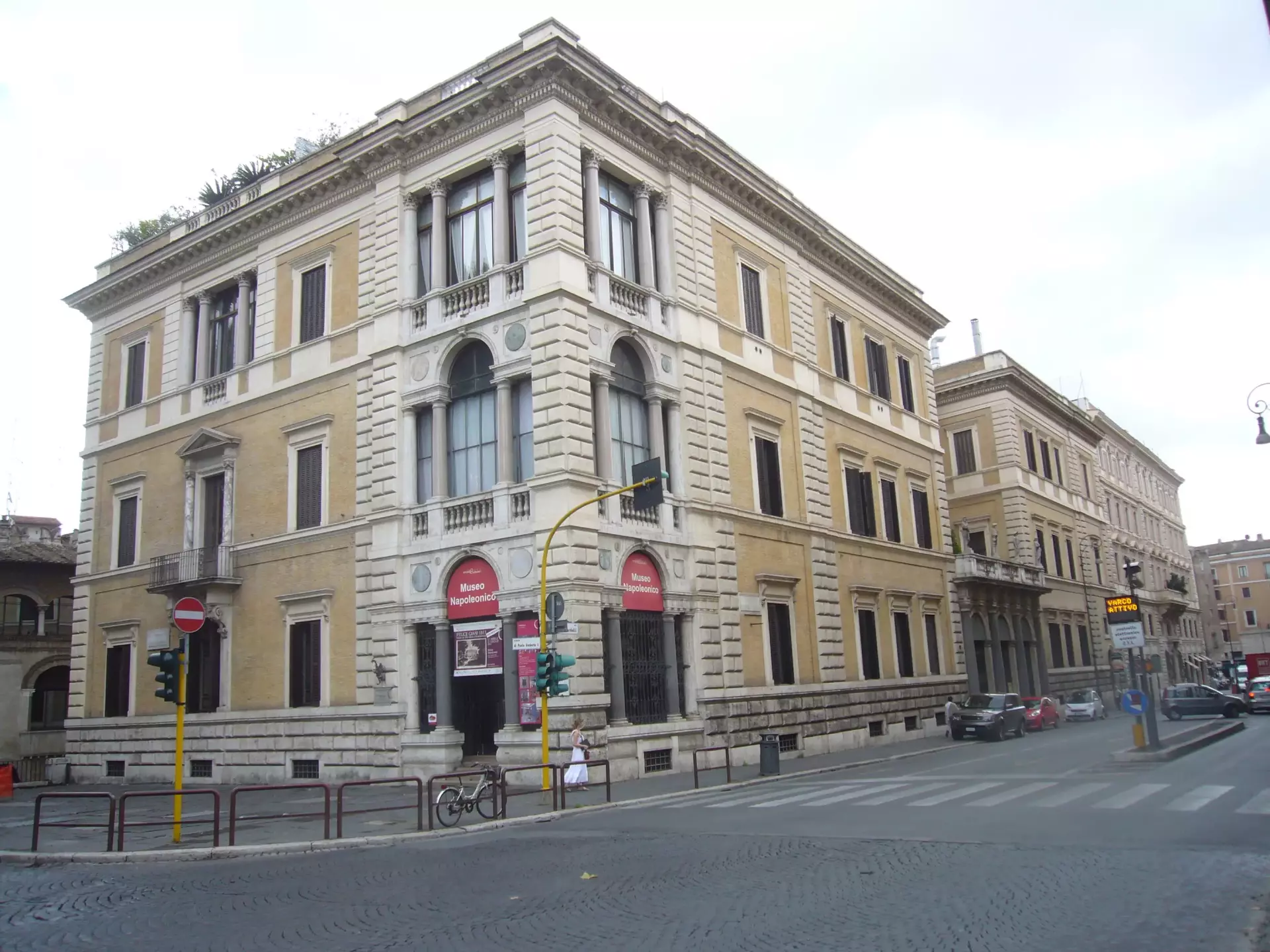
Step into a world where light, perception, and creativity converge. The Museo della Luce invites visitors to explore a captivating array of experiences centered around optics, the marvels of light, and the art of illusion. This unique museum is a haven for those curious about science, art, and the interplay between the two.
Guests can immerse themselves in hands-on displays that unravel the mysteries of optics. Whether examining how light bends and reflects or discovering the tricks of trompe-l'oeil—artworks that cleverly deceive the eye—each exhibit offers a fresh perspective on visual perception. The museum creates an environment where science becomes tangible and fascinating, sparking curiosity in visitors of all ages.
Beyond scientific exploration, the Museo della Luce features striking art installations that use light as their primary medium. These thought-provoking works encourage visitors to look deeper and appreciate the inventive ways artists engage with illumination and shadow. The blending of technological innovation and artistic expression sets this space apart as more than just a traditional science museum.
Enthusiastic museum assistants are always on hand, eager to share insights and answer questions. Their passion for the subject matter ensures that every visitor, whether a seasoned science enthusiast or a casual explorer, leaves with a greater appreciation for the wonders of light and vision. The welcoming atmosphere makes the Museo della Luce a memorable stop for anyone looking to see the world through a new lens.
It was constructed to hold relics of the Passion of Jesus. They include two thorns of his crown, part of a nail and three small wooden pieces of the Cross. The authenticity of these relics is much disputed, however.
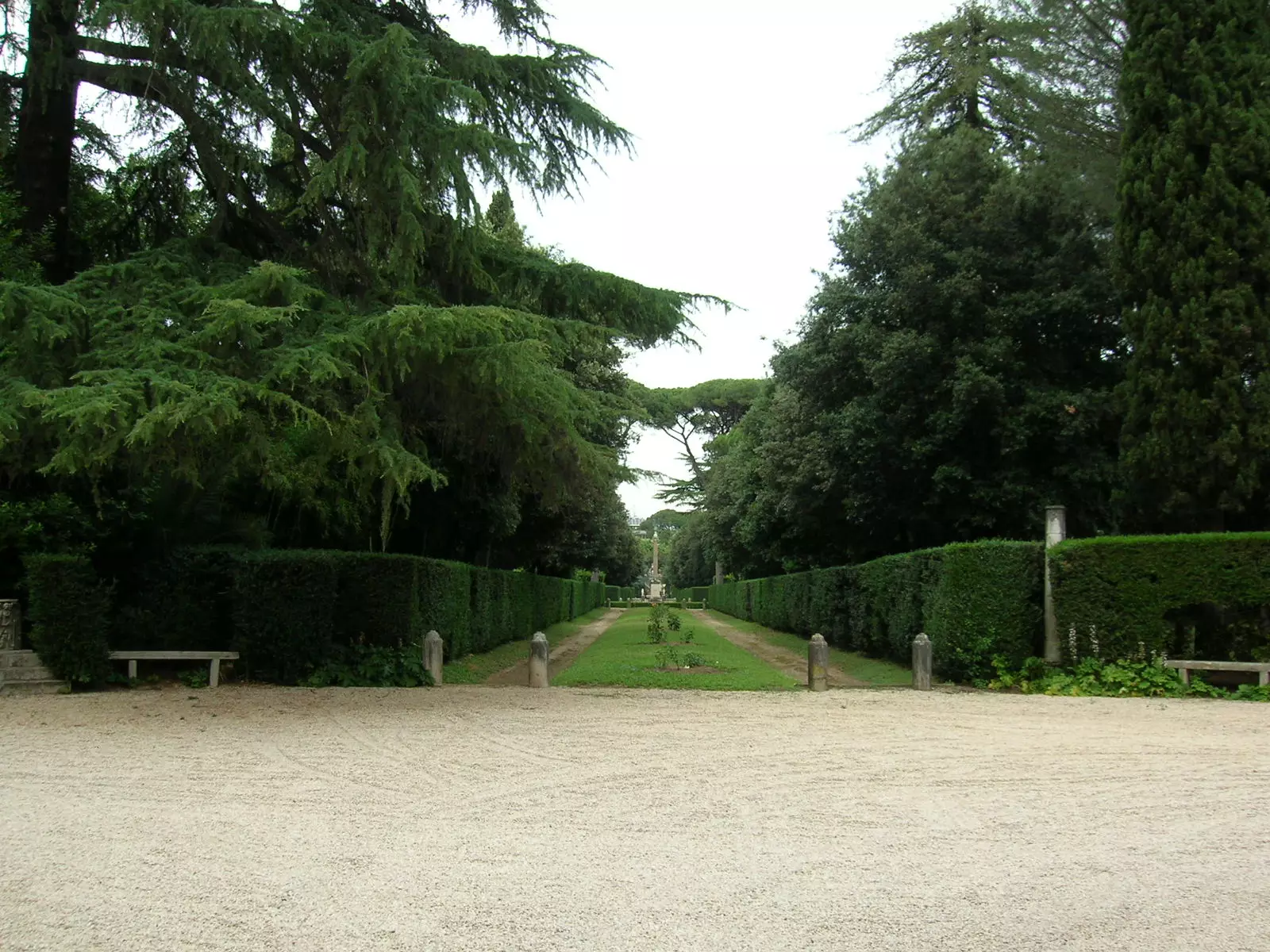
A lovely, if somewhat run-down park (parts of it are blocked due to the poor state of the roads) with statues and a great view on the city.
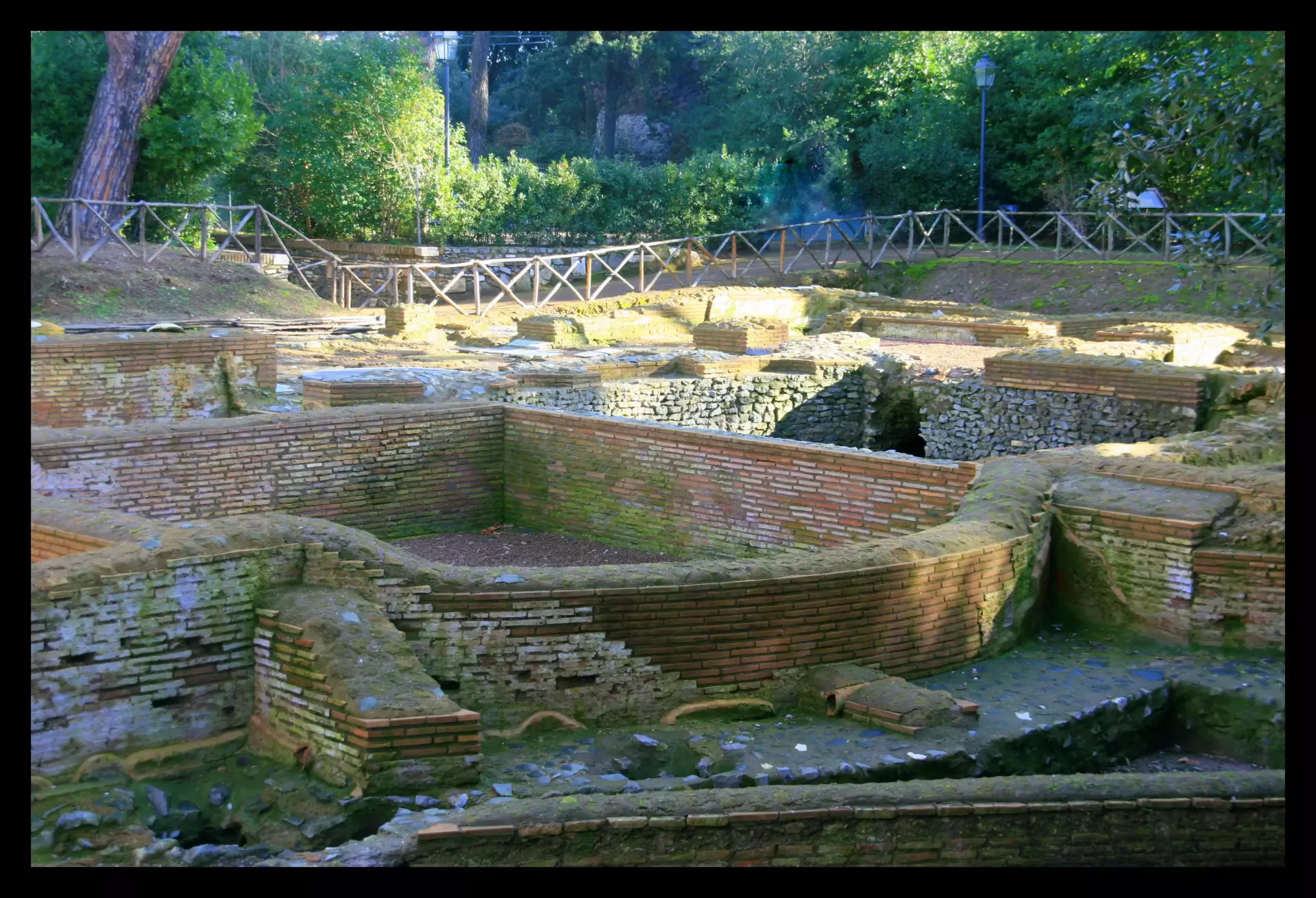
Early Roman houses dating back to the 1st century, believed to be homes of early Christians. Well-preserved frescoes and a small museum.
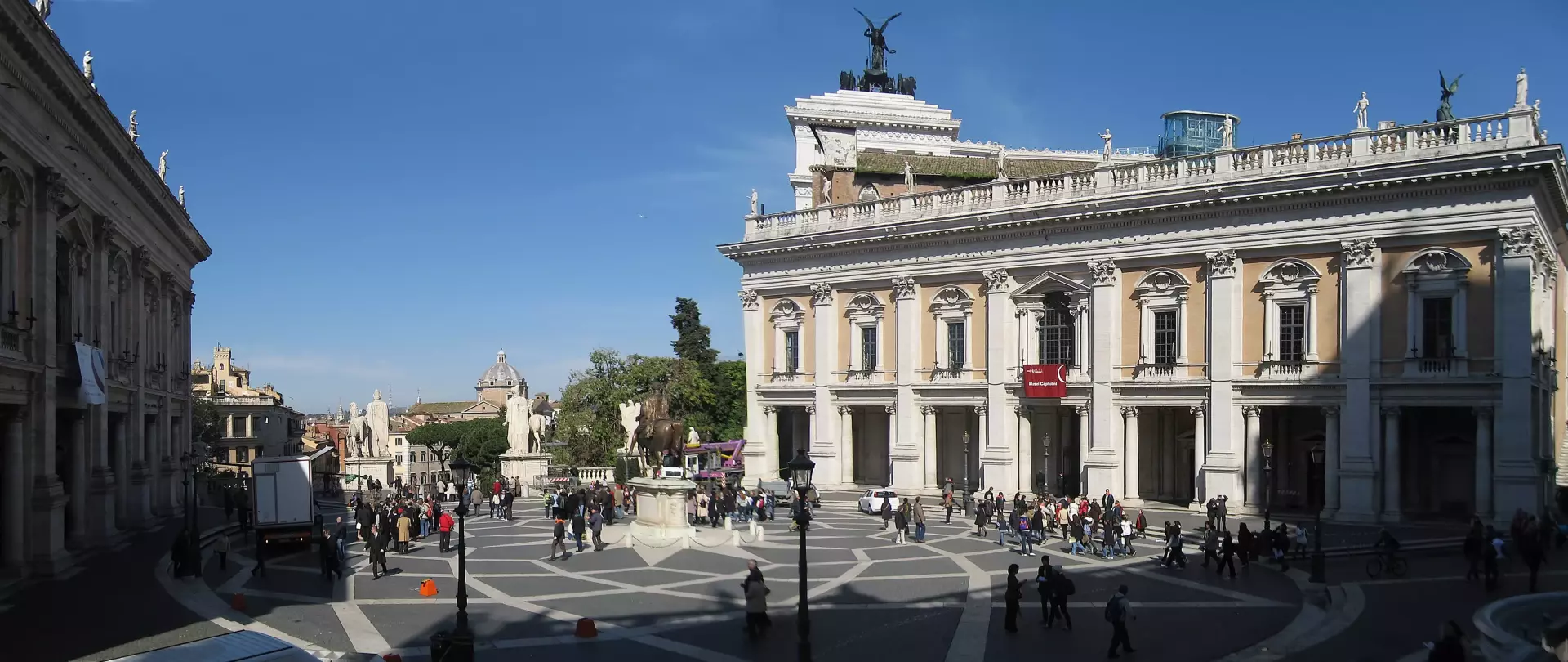
Also based on a Michelangelo architectural plan, this compact gallery is well endowed in classical sculpture and paintings. Highlights include the small 1st-century-BC bronze Lo Spinario, a Greek statue of a little boy picking a thorn from his foot; the Lupa Capitolina (Capitoline Wolf), a rare Etruscan bronze statue probably dating from the 5th century BC; and (in the entrance courtyard), the massive head, hands, foot and kneecap from a colossal statue of Constantine the Great. The palace also contains a Pinacoteca (Picture Gallery) with paintings mainly from the 16th and 17th centuries - highlights include: Caravaggio's Fortune-Teller and his curious John the Baptist; The Holy Family, by Dosso Dossi; Romulus and Remus, by Rubens; and Titian's Baptism of Christ.
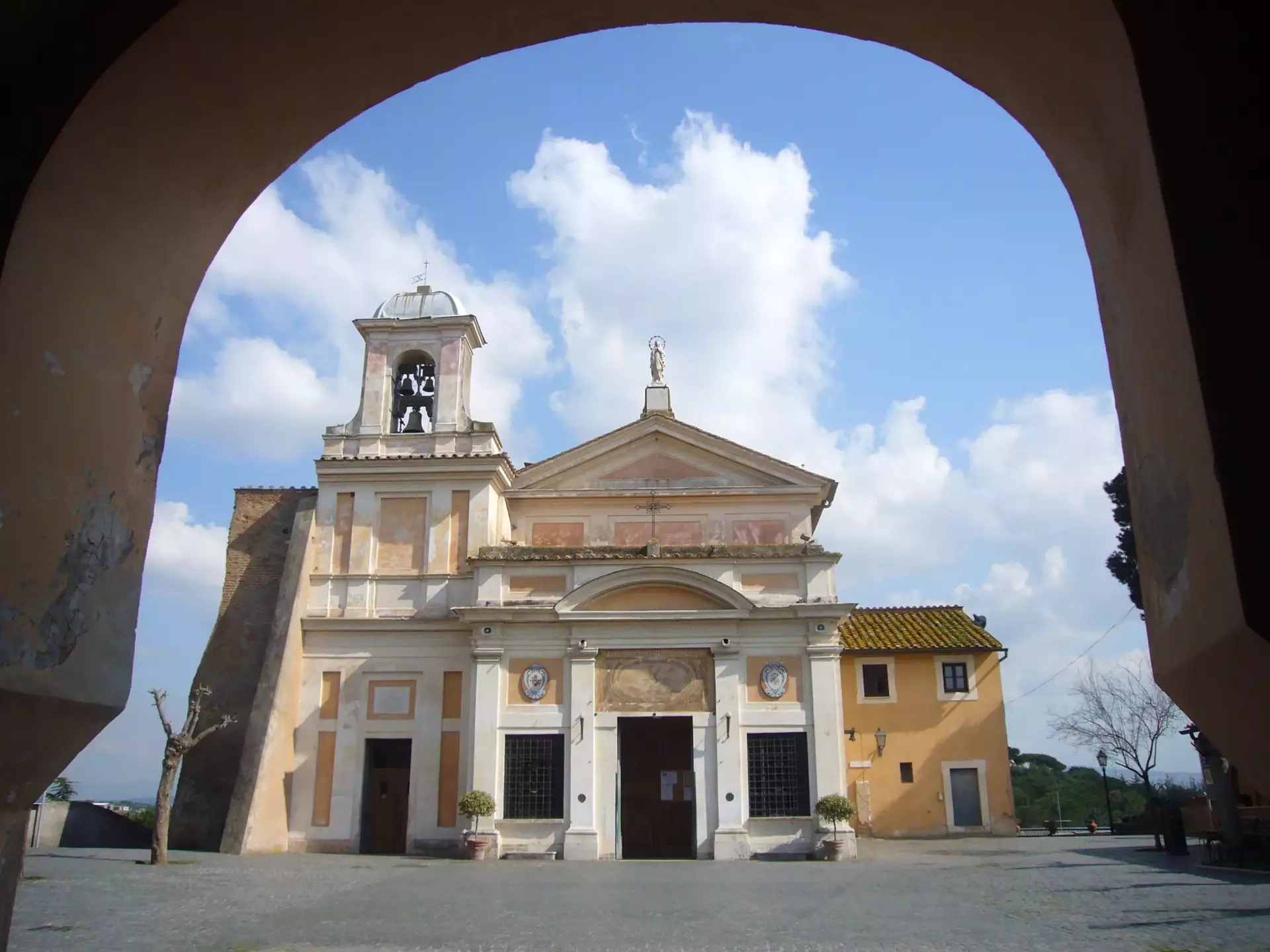
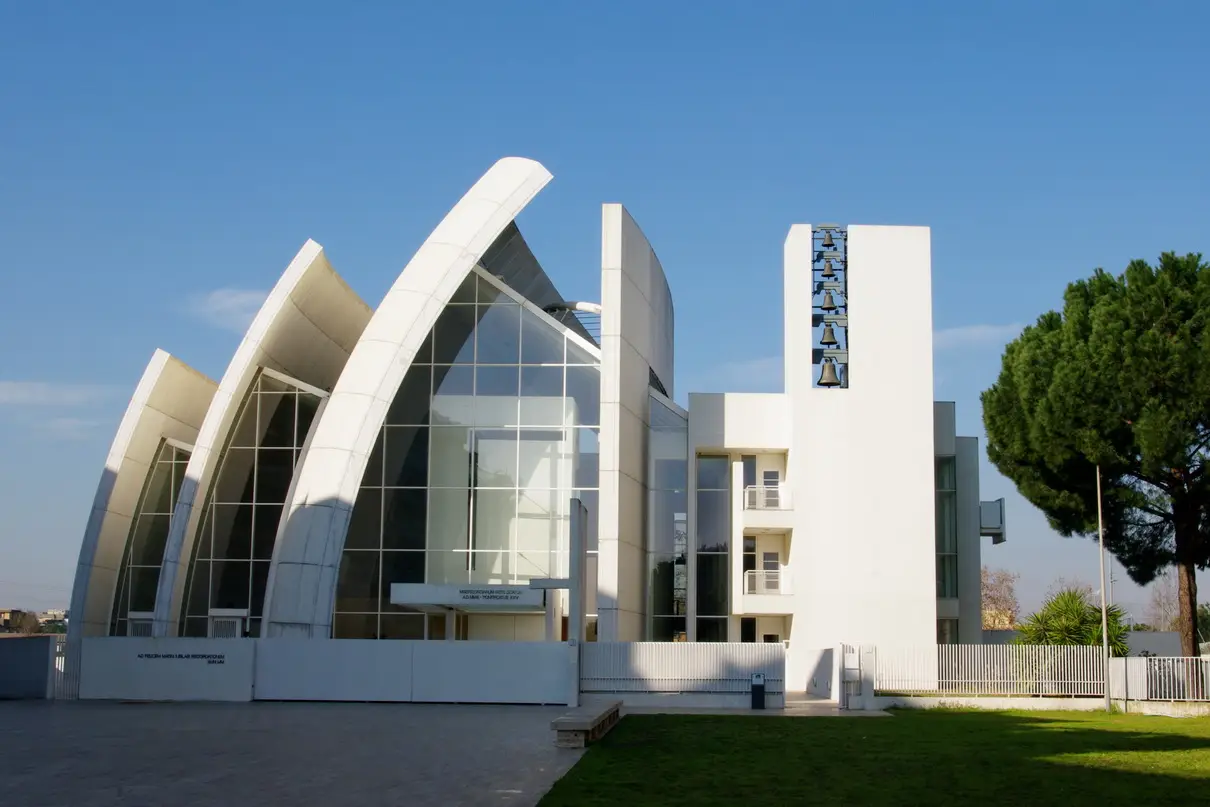
This is an important place of pilgrimage for Catholics because of the supposedly miraculous powers of an image of the Virgin Mary. The first miracle was in 1740 when a traveller being attacked by a pack of dogs called out to the Virgin’s image for rescue and the dogs calmed down. The image was moved to Rome in the Second World War and is credited with saving the city from destruction, as a result of which Romans vowed to construct this new sanctuary.
This is not the real name of the church on the corner by the main entrance to San Callisto but it is universally known by this name. By legend it is located on the spot where Saint Peter had a vision of the risen Christ while fleeing persecution in Rome. According to the tradition, Peter asked Jesus, Domine, quo vadis? “Lord, where are you going?” The current church is from 1637. Inside is a copy of a stone said to contain the imprints of the feet of Jesus; the original is maintained in San Sebastiano, further along the Appian Way
If it is sunny, you'll catch a few young people and older gentlemen sitting at the base of a statue in the middle of the open space. The statue is a brooding, hooded Giordano Bruno—an excommunicated Dominican monk and one of the earliest cosmologists who held the idea of an infinite universe. He was burnt at the stake for heresy on this spot on 17 February 1600. The piazza is used as a marketplace during the day, and party central for college students and tourists at night. When the sky gets dark and the street lamps go on, the Campo de' Fiori fills with people and lovers wander arm in arm in the crowd. Over the buzzing of conversation and the occasional burst of laughter you may hear a young vocalist belt out O Sole Mio at the top of his lungs as change plunks into his accordion case.
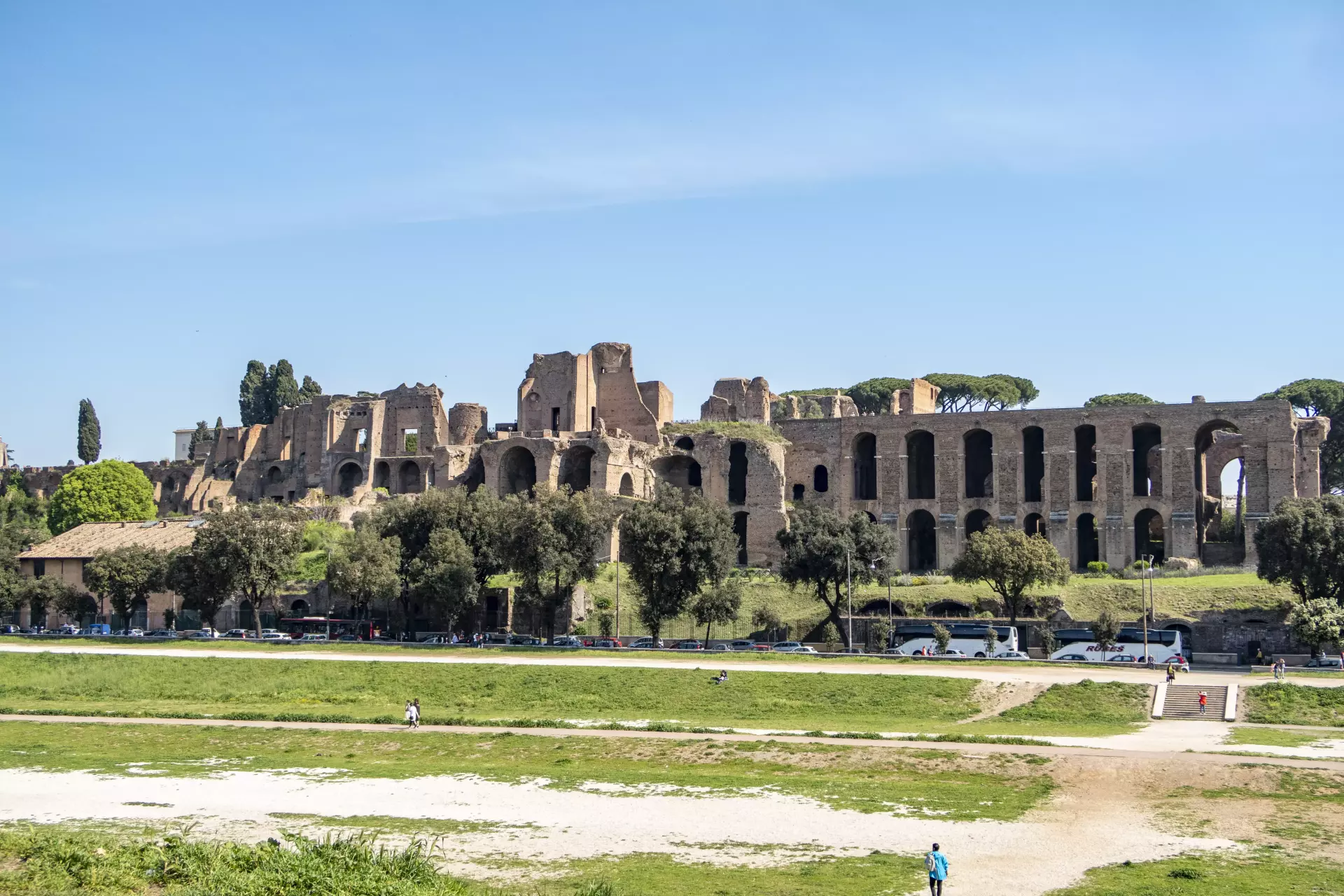
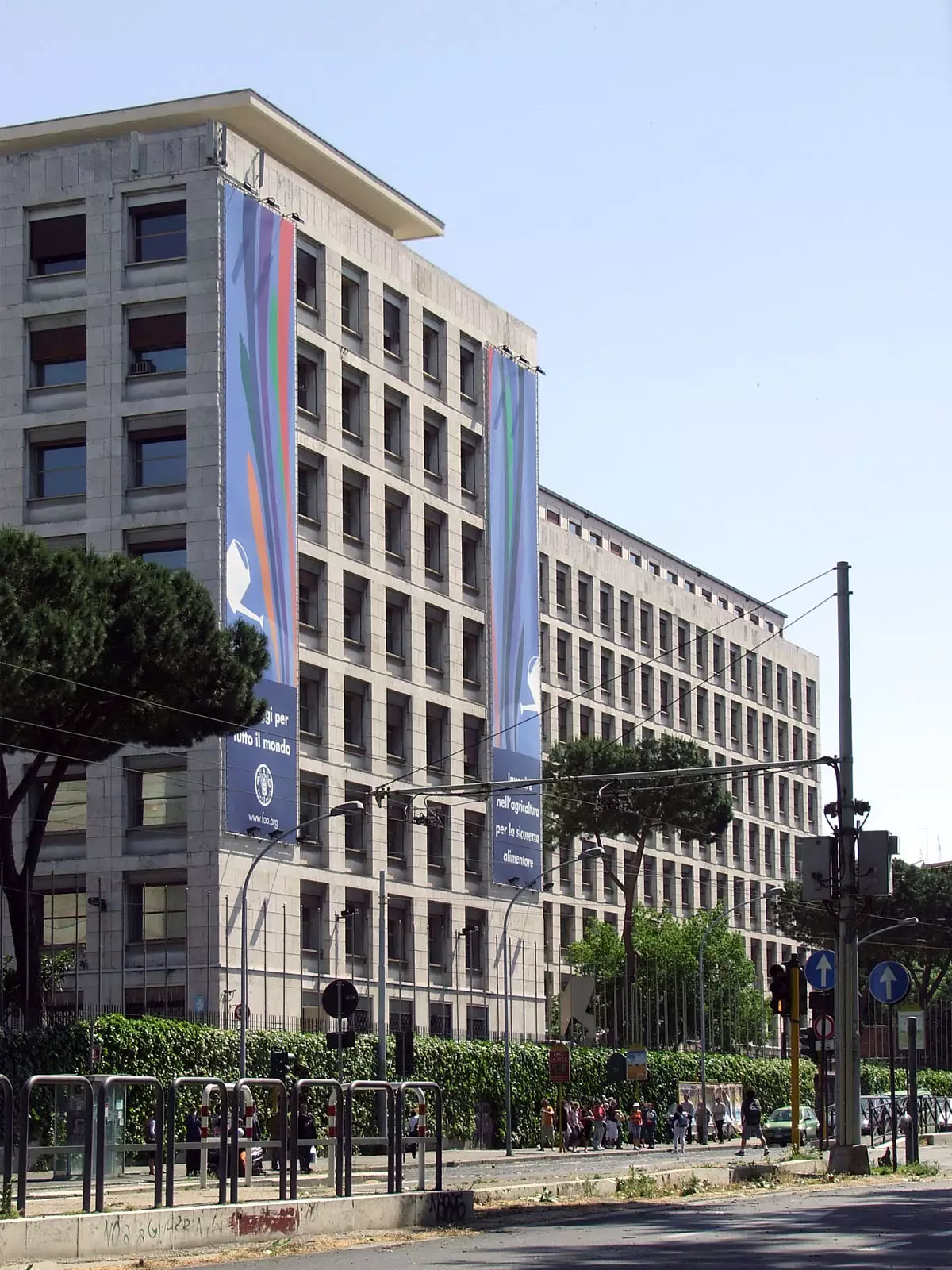
The enormous building at the southeast end of the Circus Maximus is the headquarters of the UN Food and Agriculture Organization (FAO). From its roof are undoubtedly the best views of Rome, but you will need to know someone who works there to get past the strict security.
An example of urban planning that goes back to Pope Julius II, who, in 1508, envisioned it as a street that would connect all major government buildings. It is around a kilometer long and is in a straight line, an unusual feature for the time. It is lined with some interesting palaces but these days is more known for its antique shops. Via Giulia runs parallel with and one block from the River Tiber.
The 4th rebuilding of the meeting place for the Roman Senate, once converted into a church during the Middle Ages, but now restored since the 1930s.
At the southern end of the Piazza, designed by Bernini but the main statue of the Moor was done by Giacomo della Porta and the other statues are 19th-century copies of the originals.
Borghese Gallery and Museum is a lovely display in a beautiful villa setting, which concentrates on the quality rather than the size of its collection. There are some very notable works by Antonio Canova and Gian Lorenzo Bernini here, Bernini's Apollo and Daphneis quite amazing. It also houses some of Caravaggio paintings, well worth the admission charge. Originally, the gallery was one of the most magnificent private art collections in the world. It was founded by Cardinal Scipione Borghese. At the beginning of the 19th century, Prince Camillo Borghese sold great parts of the collections to Paris where today they belong to the most valuable exhibits of the Louvre. Since 1902 the villa and the gallery are owned by the Italian state. The number of people admitted is limited to 360 every 2 hours, so it is best to make a well in advance for the time slot you want. Cameras and photography are allowed. Plan to arrive at the museum at least 15 minutes prior to your entry time, to obtain your ticket from Will Call and to deposit purses, strollers, backpacks, bottles, and other bulky items in the cloak room. If you are late for your reservation the museum may not allow you to use your ticket.