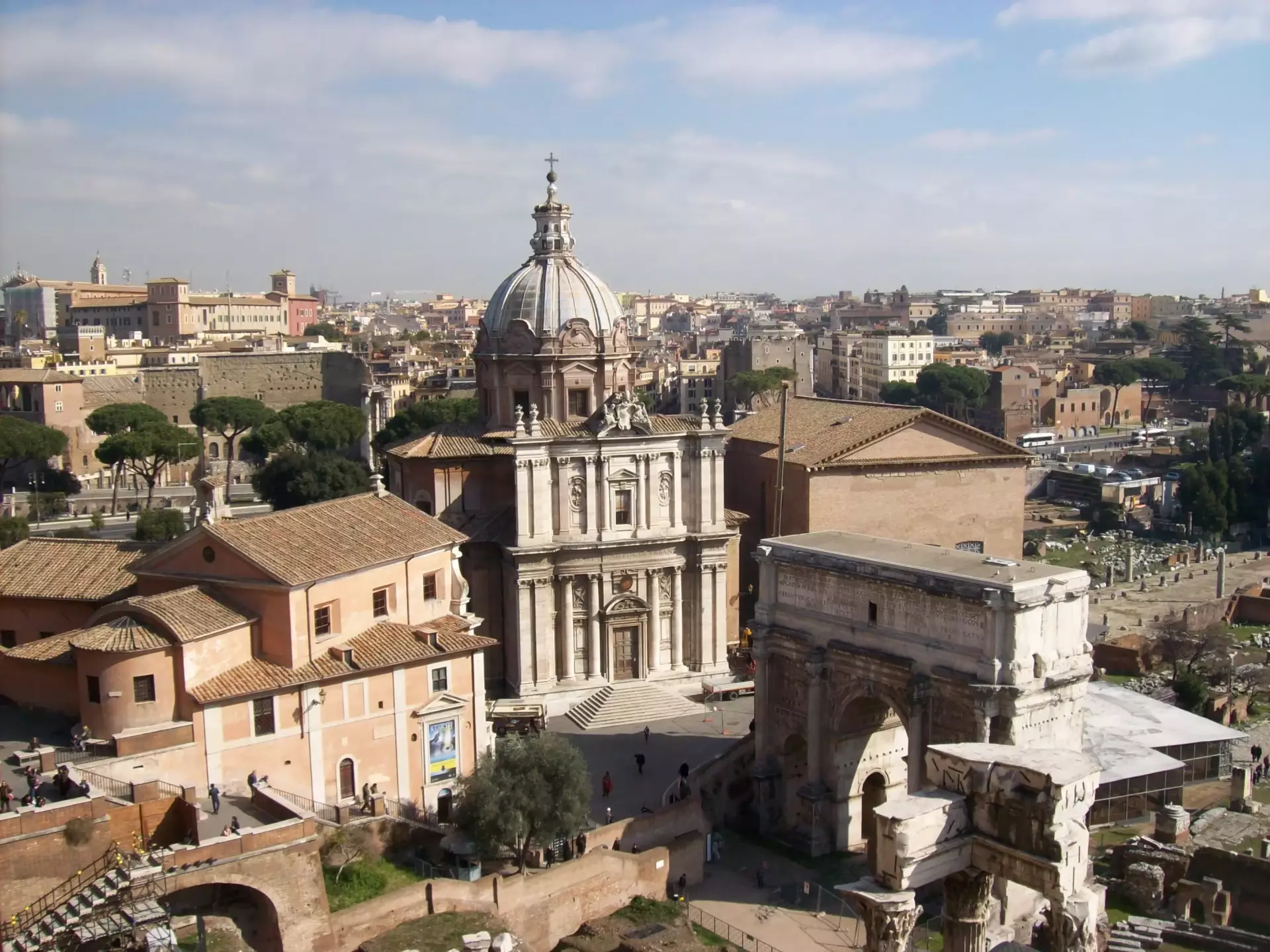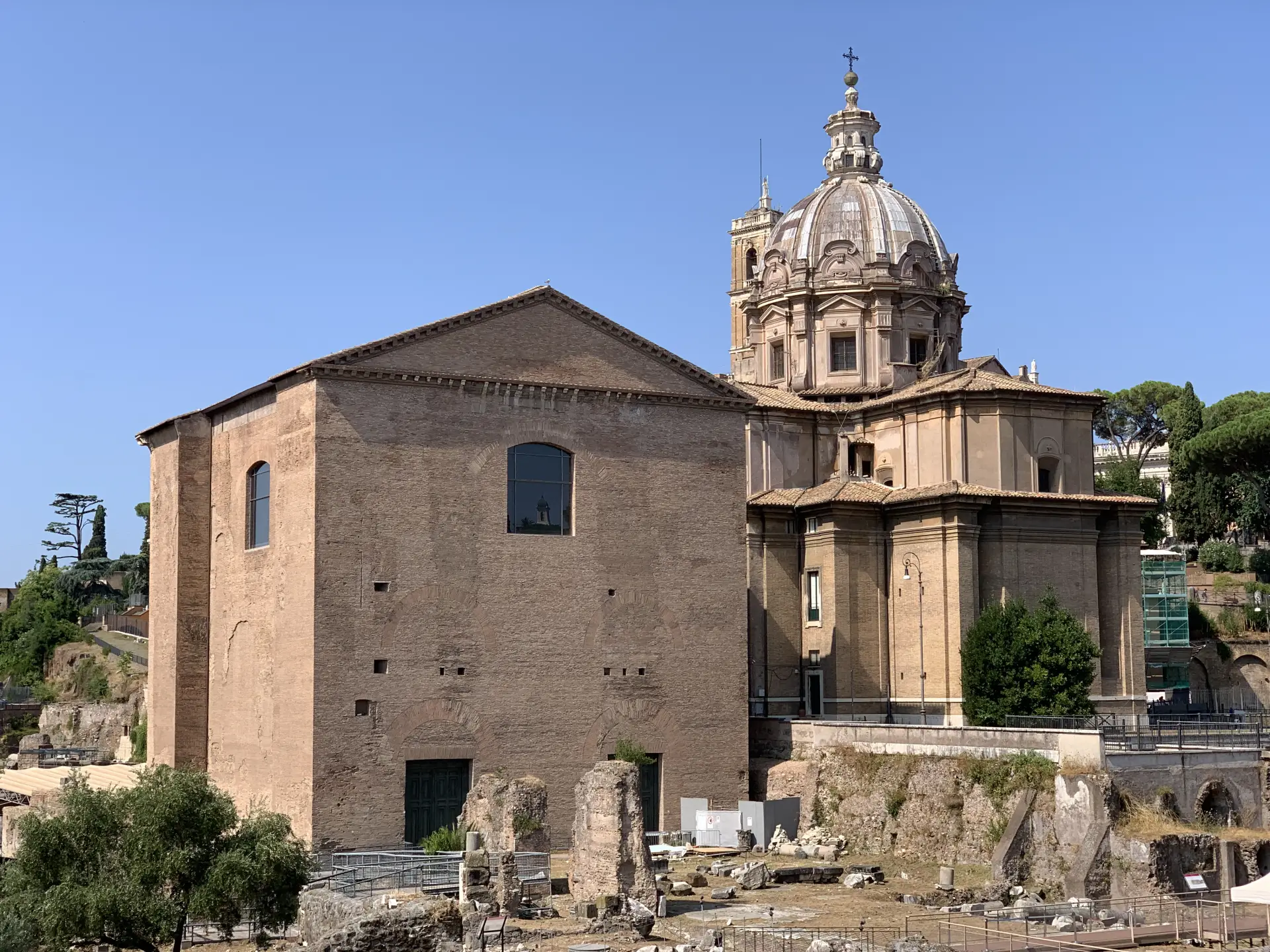
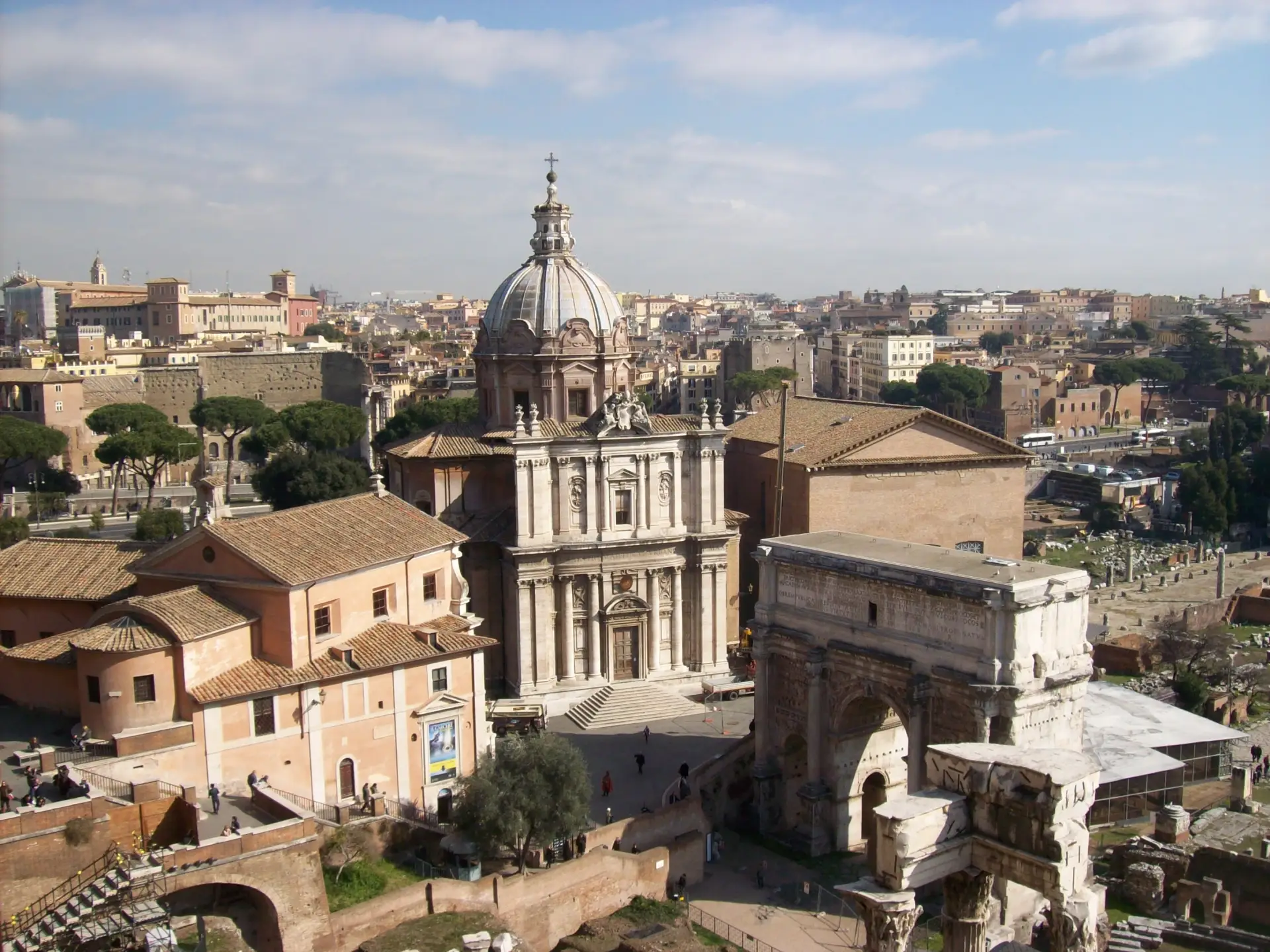
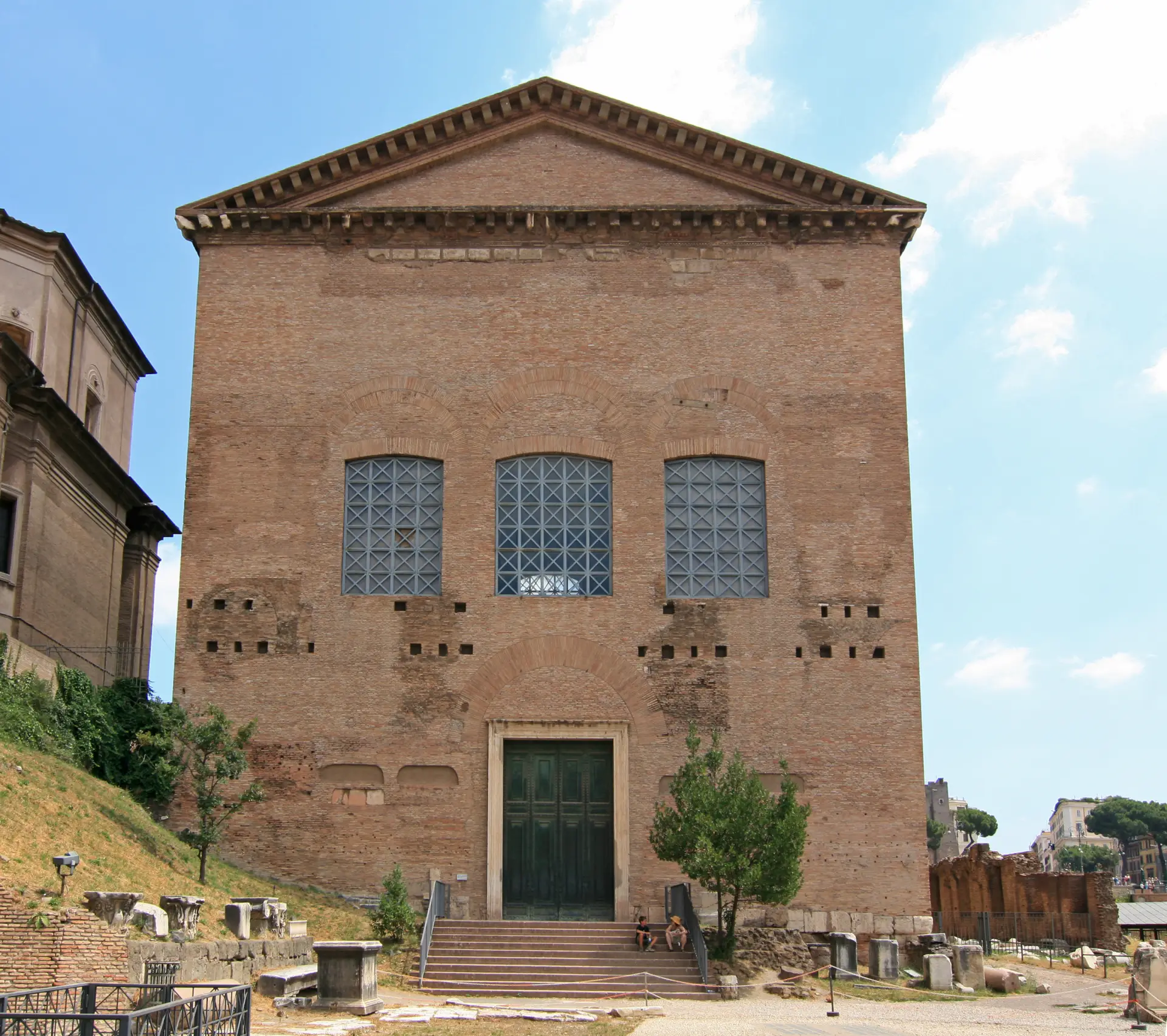
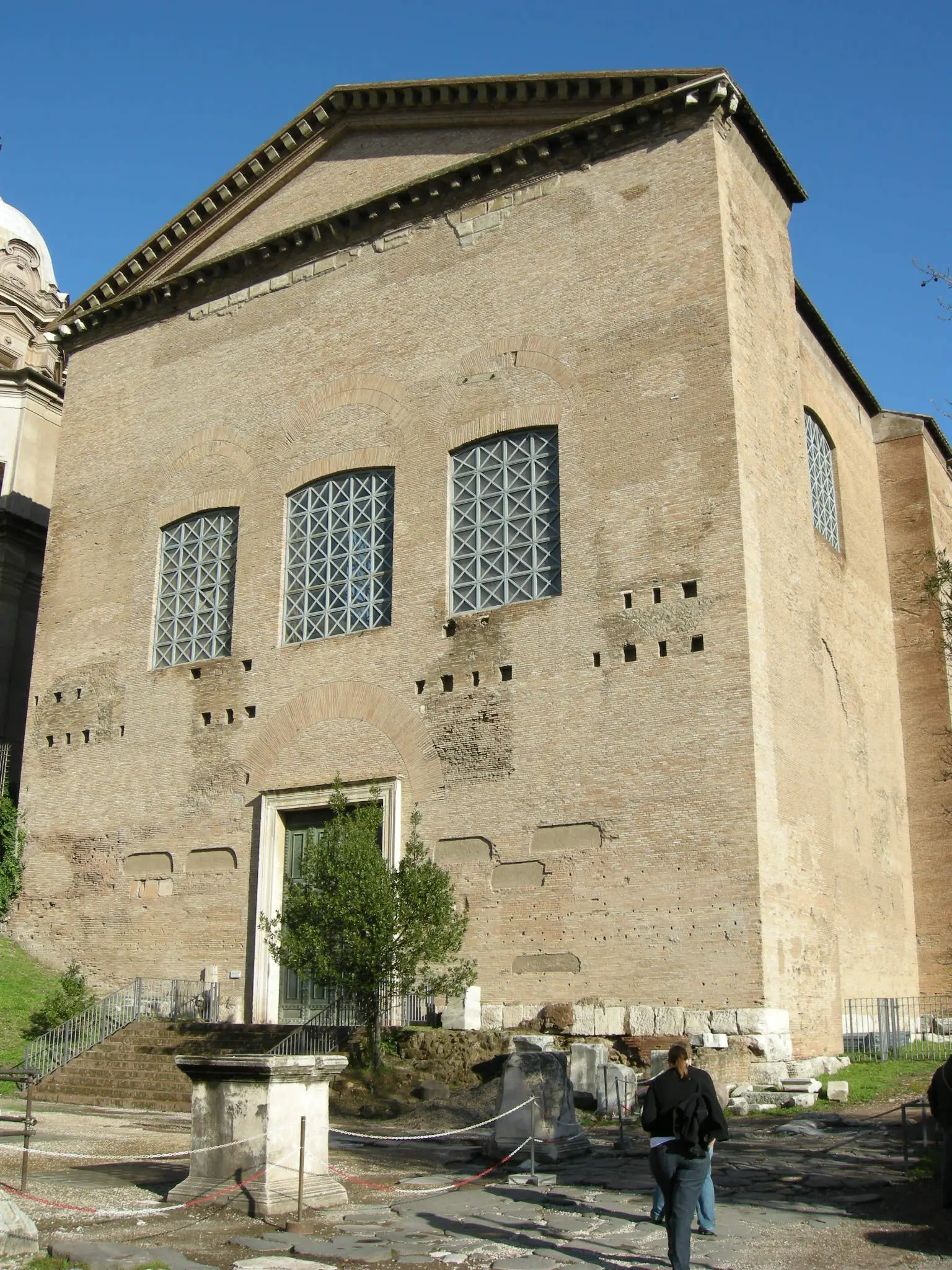
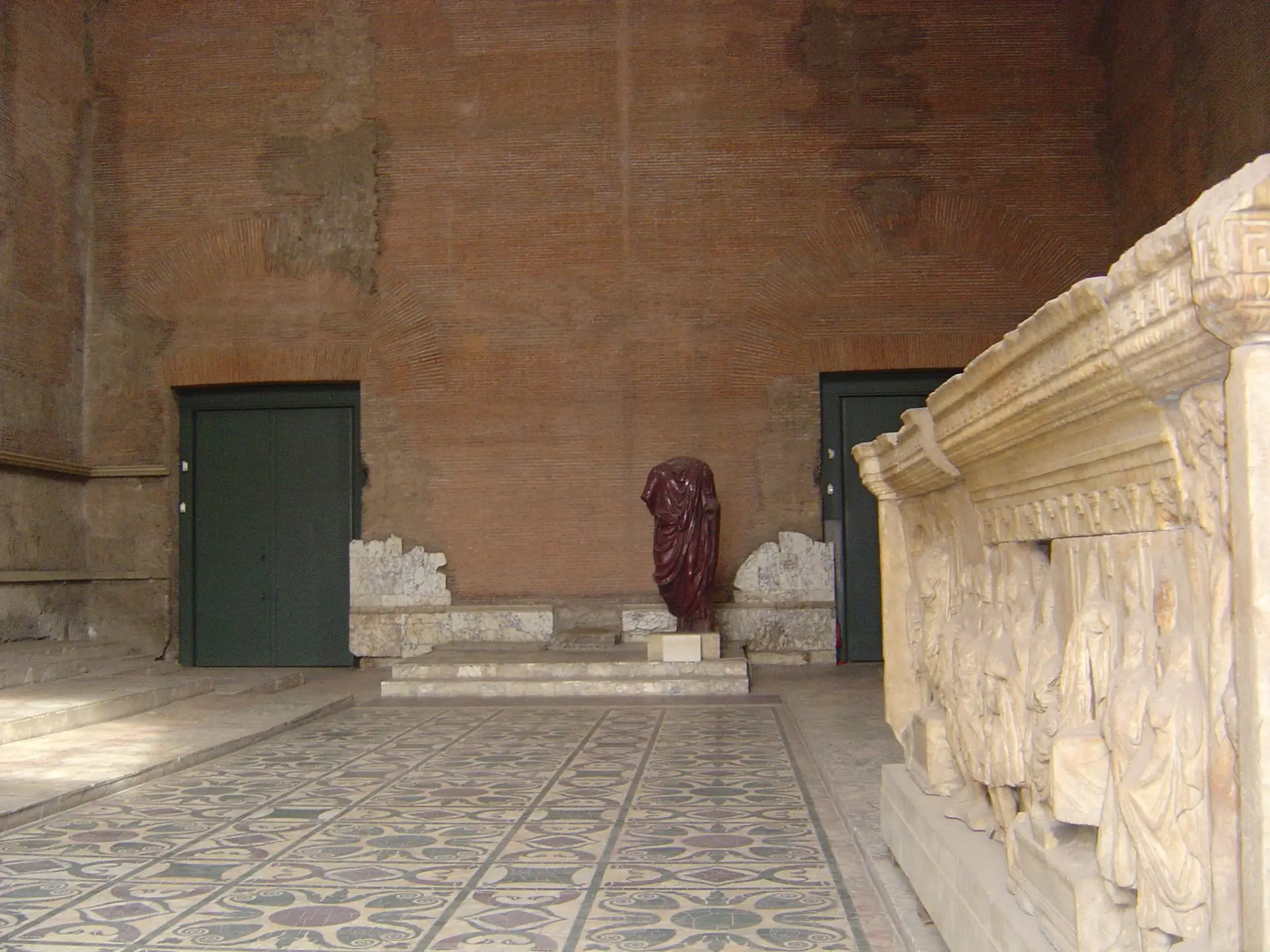
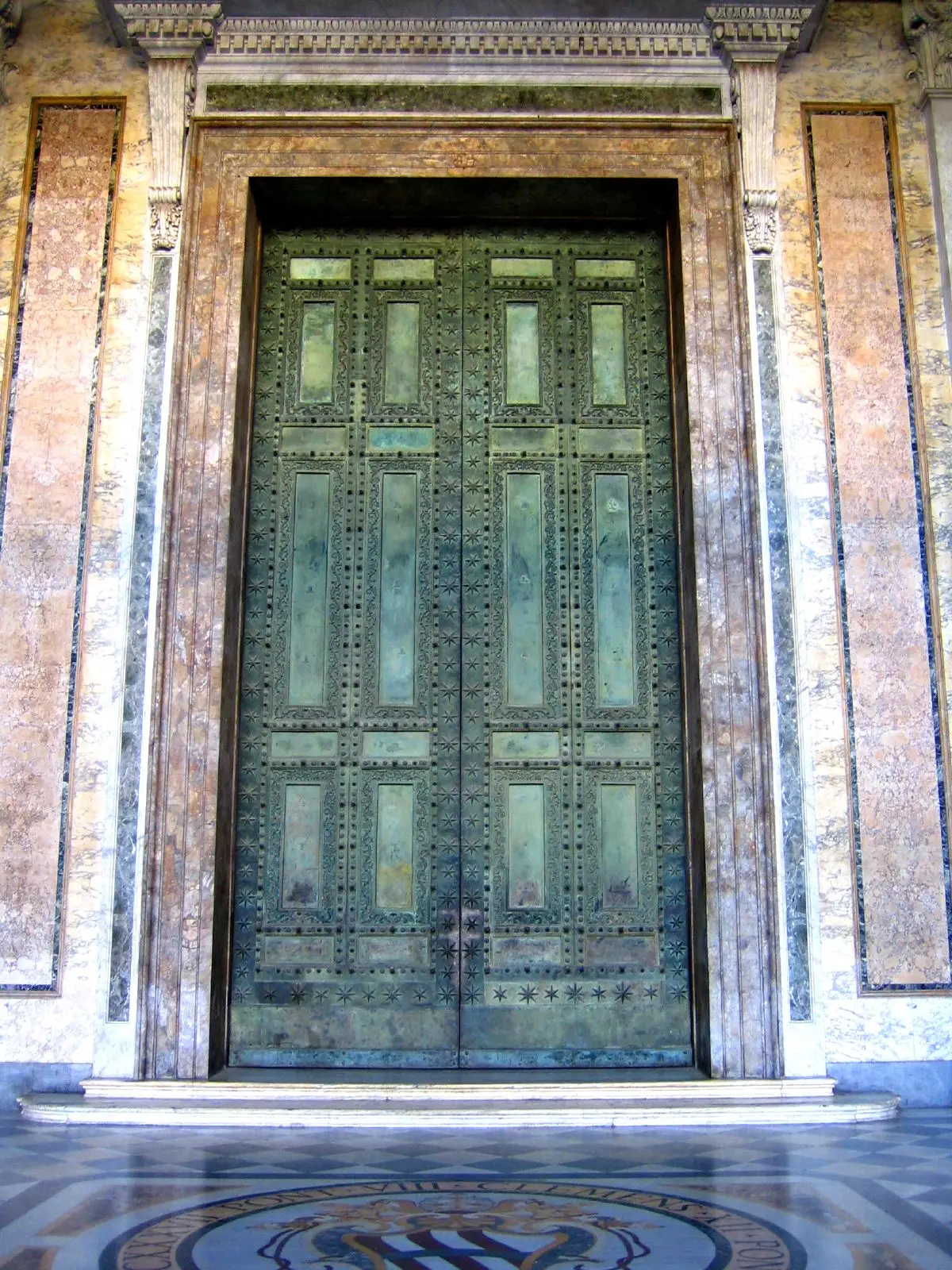
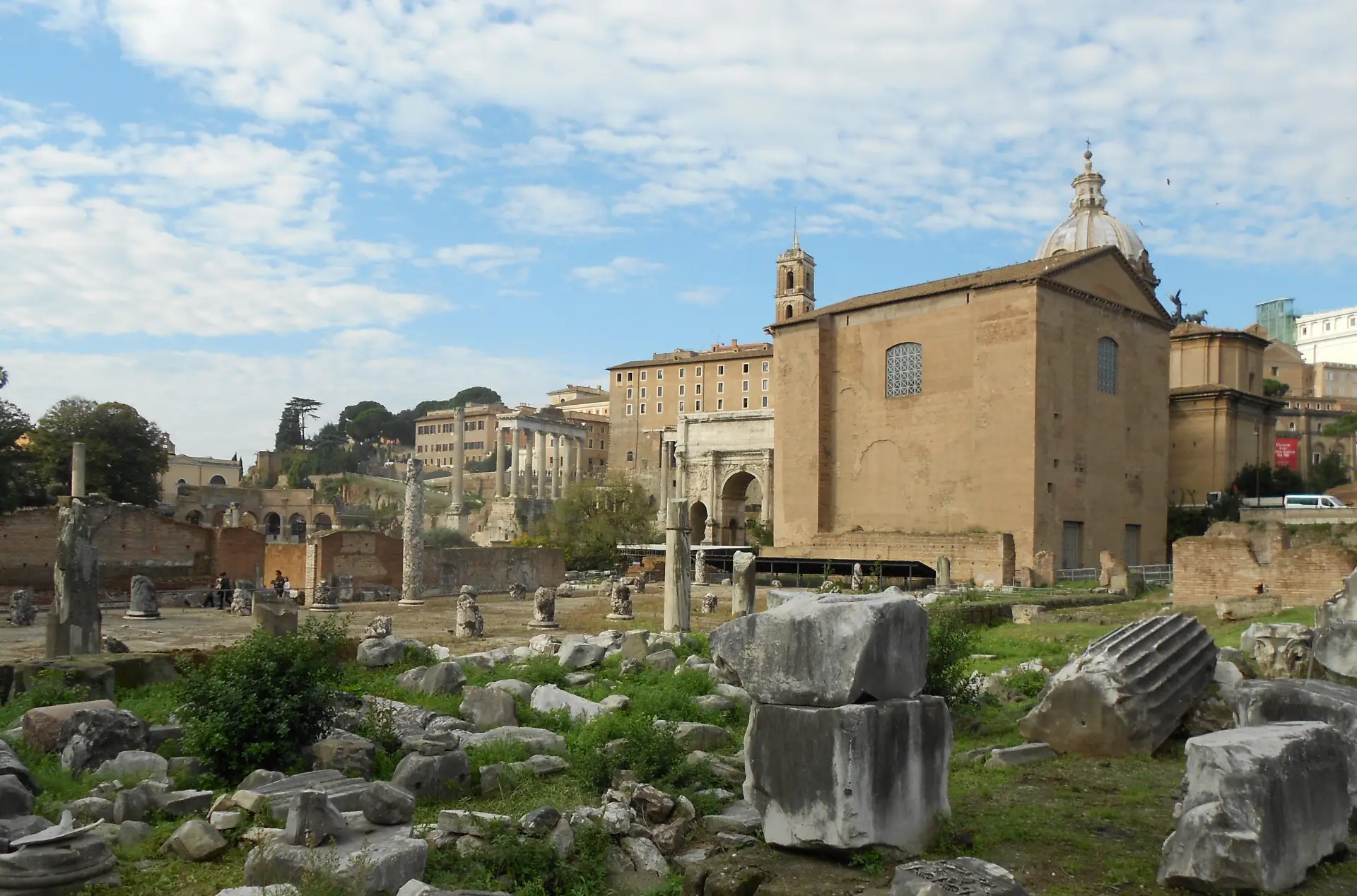
Standing amidst the ruins of ancient Rome, the Curia Julia tells a story of resilience and transformation. This historical marvel, once the hub of political power, has been lovingly restored to reflect its former grandeur while revealing layers of its storied past.
The Curia Julia, the final iteration in a series of buildings that housed the Roman Senate, represents the political heart of an empire. Originally commissioned by Julius Caesar, this iteration of the Curia stands as the fourth rebuilding of its kind, each version a testament to the changing eras it witnessed.
During the Middle Ages, the Curia Julia was repurposed, transitioning from a center of political discourse to a place of spiritual reflection. Converted into a church, the building took on a new identity, reflecting the shifting priorities and values of the time.
In the 1930s, efforts were made to restore the Curia Julia to its original state, peeling back the layers of history to uncover its ancient roots. The meticulous restoration work has since allowed visitors to step back in time and experience the space as the senators of Rome once did.
Today, the Curia Julia stands as a monument to both the enduring nature of Roman architecture and the ever-evolving narrative of history. Its walls whisper tales of political intrigue, spiritual redemption, and cultural transformation, inviting all who visit to partake in its rich legacy.
Source - https://en.wikipedia.org/wiki/Curia_Julia
A relaxing place to sit and recover from the exertions of sightseeing. Permanent collection plus annual competition.
Home of the Abbot Primate of the Benedictine Confederation and Benedictine monks studying in Rome. Visit the monastic produce shop and listen to the best Gregorian chant in Rome during Vespers (19:15 each evening).
Borghese Gallery and Museum is a lovely display in a beautiful villa setting, which concentrates on the quality rather than the size of its collection. There are some very notable works by Antonio Canova and Gian Lorenzo Bernini here, Bernini's Apollo and Daphneis quite amazing. It also houses some of Caravaggio paintings, well worth the admission charge. Originally, the gallery was one of the most magnificent private art collections in the world. It was founded by Cardinal Scipione Borghese. At the beginning of the 19th century, Prince Camillo Borghese sold great parts of the collections to Paris where today they belong to the most valuable exhibits of the Louvre. Since 1902 the villa and the gallery are owned by the Italian state. The number of people admitted is limited to 360 every 2 hours, so it is best to make a well in advance for the time slot you want. Cameras and photography are allowed. Plan to arrive at the museum at least 15 minutes prior to your entry time, to obtain your ticket from Will Call and to deposit purses, strollers, backpacks, bottles, and other bulky items in the cloak room. If you are late for your reservation the museum may not allow you to use your ticket.
Ballroom-like church which crowns part of the Capitoline Hill. Don't be fooled by the plain stone exterior.
According to the legendary passio, two brothers, John and Paul, who were officials at the imperial court, suffered martyrdom in 362 in their home on the Caelian hill, during the reign of emperor Flavius Claudius Julianus. This basilica dedicated to these two Roman officers was erected starting from 398 and was used first as a domus ecclesiae by the Christian community.
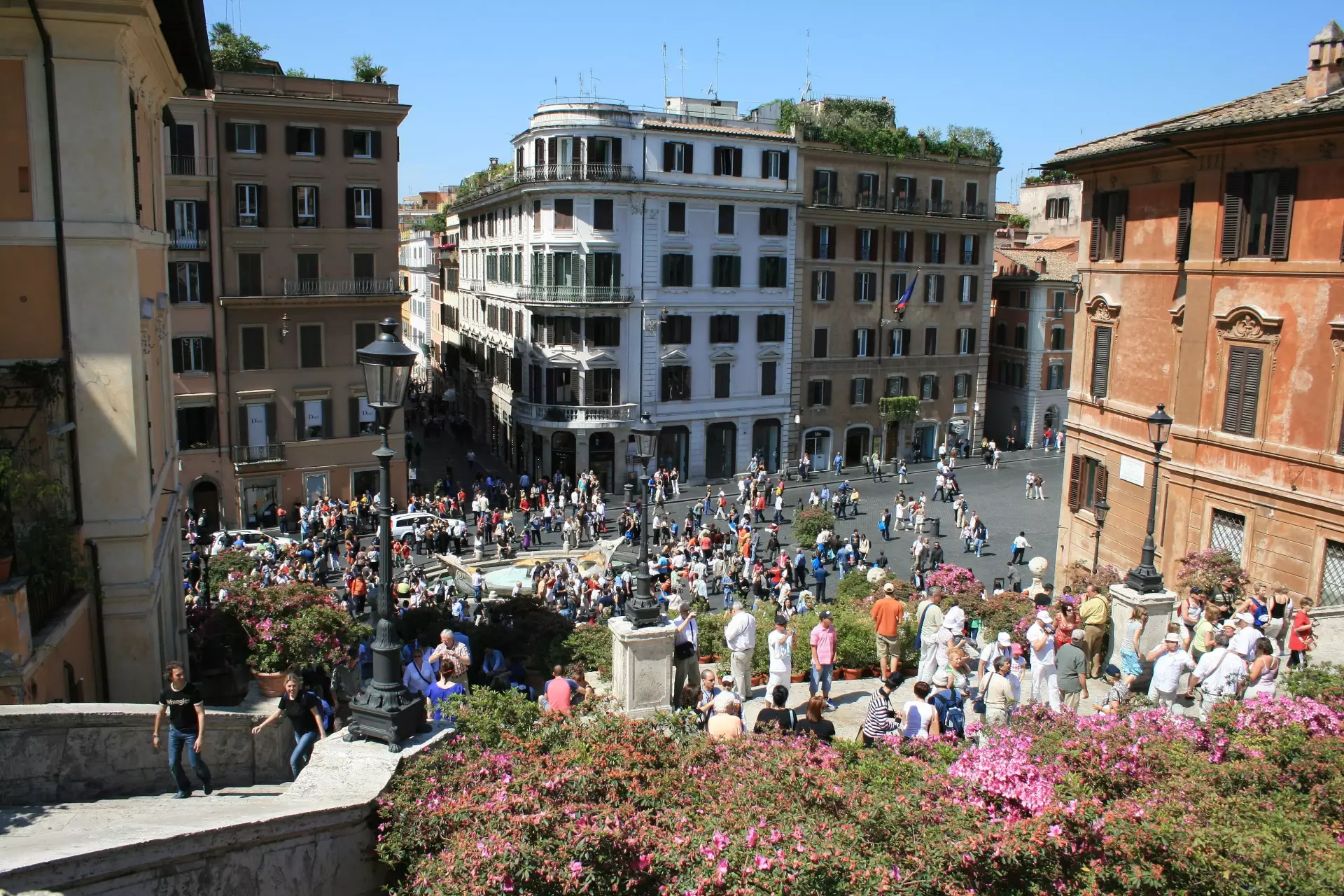
The Piazza di Spagna (Spanish Square) is the most famous square in Rome. For a very long time it was the meeting point of all foreigners coming to Rome. In the 17th century it was the residence of the Spanish Ambassador to the Holy See. The area around the residence was Spanish territory and foreigners who stayed here without permission were forced to serve in the Spanish army. The Fontana della Barcaccia (Old Boat Fountain) on Piazza di Spagna was designed and built in 1627-29 by Pietro Bernini, father of the more famous Gian Lorenzo Bernini. The fountain celebrates the fact that before high walls were built along the banks of the Tiber Rome often used to flood. Once the waters were so high that a boat ended up in the square. The decorations on the fountain imitate the coat of arms of Pope Urban VII, Barberini'p, who ordered the fountain to be built. A less aesthetic occupant of the square is Italy's first McDonalds, dating back to 1986. Also in the piazza is a column erected in 1856 to commemorate the Immaculate Conception. The column is topped by a statue of the Virgin Mary, and rests on a base with statues of Moses, David, Isaiah and Ezekiel. The Pope visits the Piazza every year on December 8th to celebrate Immaculate Conception.
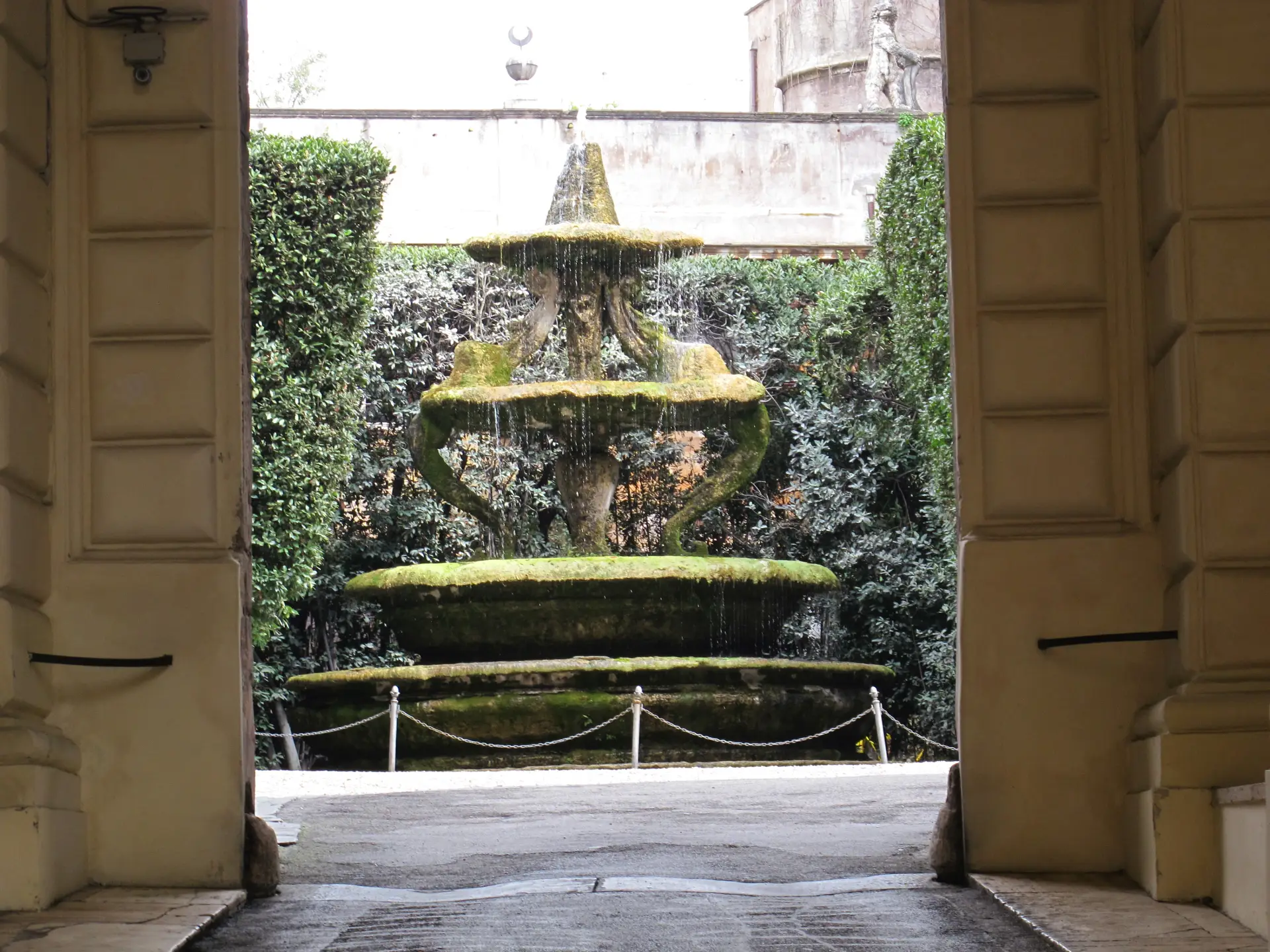
The building is in one of the most hidden corners of the city center among Piazza Navona and Castel Sant'Angelo. It served as residence for the Orsini family. Nowadays it is private property and one can only glance at the courtyard and the amazing fountain inside, erected in 1618 by architect Antonio Casoni. However, the brief moment is worth it.
Romans and leaders of Rome's defeated enemies were imprisoned here where they either died of starvation or strangulation. According to legend, St. Peter was also imprisoned here.
Beautiful park, the 2nd largest in Rome (after Villa Doria Pamphili) at 450 acres/182 hectares. Hosts concerts on summer evenings. former summer residence of Italian monarchs. Also known for it's bunker.