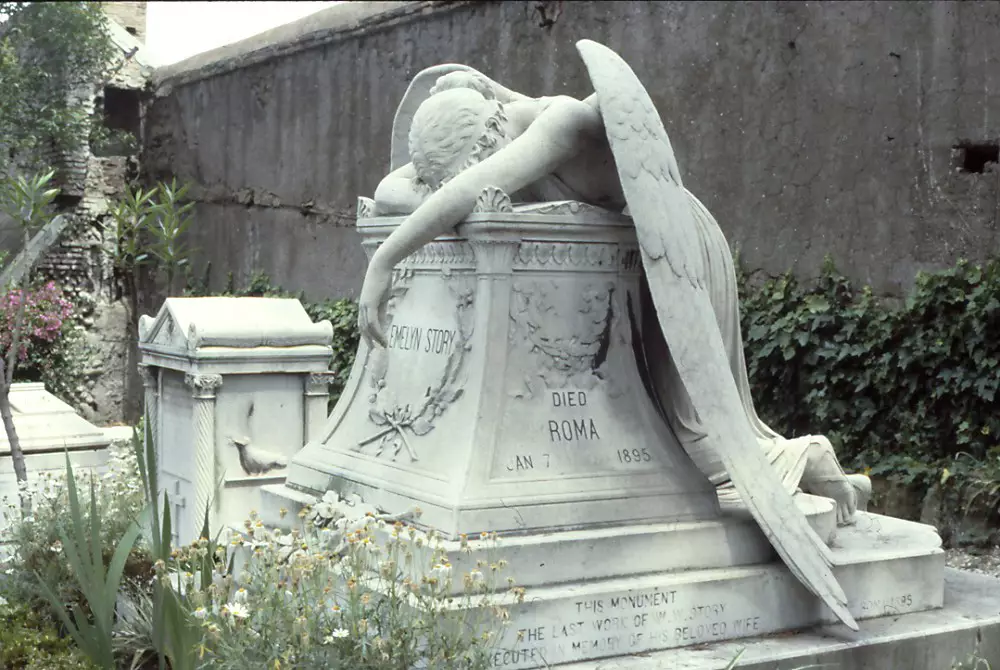
The Catacombs of Saint Agnes are an ancient underground burial site located in Rome. These catacombs are smaller compared to some of the city’s other subterranean cemeteries, but they hold great historical and religious significance. Early Christian communities once used these quiet tunnels as places to bury their loved ones and practice their faith in secret.
Saint Agnes, a young Roman martyr from the early 4th century, was laid to rest here. She became known for her strong faith and bravery in the face of persecution. The catacombs were named in her honor, turning the site into a popular destination for pilgrims who wanted to pay their respects. Over time, the remains of Saint Agnes were moved to a nearby basilica, but the catacombs remain an important reminder of her life and legacy.
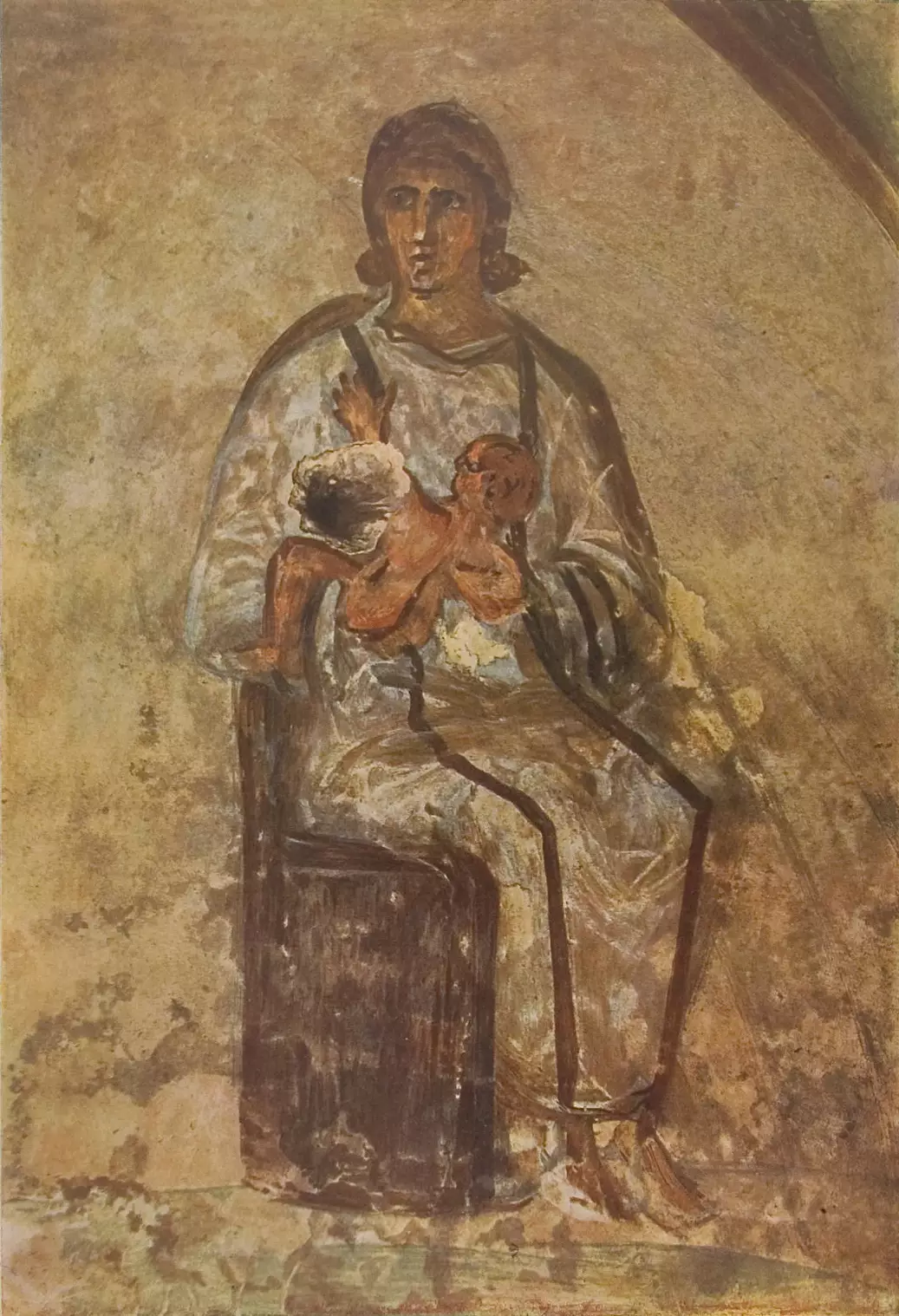
Visitors to the Catacombs of Saint Agnes can see narrow corridors lined with ancient tombs and simple carvings. The atmosphere inside is quiet and reflective, providing a glimpse into the early days of Christianity in Rome. The site also showcases centuries-old symbols and artwork that tell the stories of those who were buried there, including Saint Agnes herself.
Source - https://en.wikipedia.org/wiki/Catacombs_of_Saint_Agnes
One of Bernini's masterpieces, an obelisk on the back of an elephant.
A truly monumental stairway of 135 steps (similar to climbing eight flights of stairs), built with French funds between 1721 and 1725 in order to link the Bourbon Spanish embassy to the Holy See (still located in the piazza below), with the Bourbon French church (its monastery founded in 1495) above. Don't sit on them though, or eat, or push a baby stroller on them, or do anything else that might obstruct pedestrians, make them dirty, or cause additional wear and tear, or else you will have to pay a fine that ranges from €250 to €400.
This is a large tomb built by the Roman Emperor Augustus in 28 BC in the form of a stone ring covered by an earth mound. A brick wall, 87 m in diameter, carried an earth mound covered with cypresses. On top of the hill stood a bronze monument of the emperor. The building was 44 meters high. At the beginning of the alley, which led to the tomb were two Egyptian obelisks. On both sides of the doorway bronze plates describe the "Res gestae", the deeds of the emperor. The urns of Augustus, Marcellus, Octavia, Agrippa, Drusus and other members of the Julian Claudian dynasty were revered here. In the Middles Ages the building served as citadel of the Colonna family. It was destroyed by Pope Gregor IX in 1241. The body of Cola di Rienzo. a popular leader of the people in the mid-14th century, was burnt in this monument. The Mausoleo di Augusto is not open to the public, and is fenced off.
Known properly as the Flavian Amphitheatre, this most famous of Roman landmarks takes its name from the giant statue of the emperor Nero that once stood near this location. The amphitheatre was capable of seating 50,000 spectators for animal fights and gladiatorial combats. It was a project started by the Emperor Vespasian in 72 and completed by his son Domitian sometime in the 80s. The Colosseum when completed measured 48 m high, 188 m in length, and 156 m in width. The wooden arena floor was 86 m by 54 m, and covered by sand.;Expect a long queue and an even longer wait. You can skip the queue if you decide to take a tour, but if you don't want a tour, you can STILL skip the queue. If you walk to the entrance for the Roman Forum, you can buy tickets there which allow you to bypass the queues. You can also buy tickets online. There are lots of people offering tours in English just outside the entrance to the Colosseum. Inside you can take a tour (English, Spanish, or German) every 30 minutes or so for an additional fee. The tours are given by knowledgeable archeologists, but they don't take you to any areas you couldn't visit on your own.
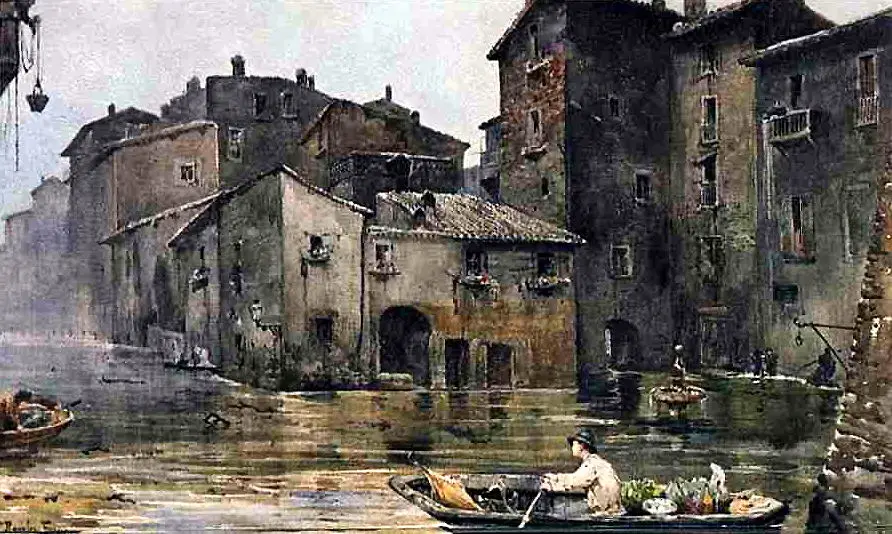
This is the island located in the middle of the Tiber River (Il Fiume Tevere) that separates Central Rome and Trastevere. It boasts both a major hospital, called Fatebenefratelli, and a small synagogue that was secretly used in the Second World War when Rome's main synagogue nearby was closed down. It also has a café and gelateria on the Rome side. It is a nice way of getting to and from Trastevere. Be sure to get photos from Ponte Garibaldi as Isola Tiberina truly is beautiful. The island is 270 m long and up to 67 m broad. According to the legend envoys were sent to the temple of Asklepius in Epidauros in Greece in 291BC in order to get relief from an epidemic in Rome. The envoys brought one of the holy snakes back with them. The snake swam to the Tiber Island thus determining the place where a temple for Asklepius was built. The successor of the Asklepius sanctuary is the Church San Bartolomeo which was built by the German Emperor Otto III around the year 1000. The Ponte Rotto is what is left from the ancient Pons Aemilius, the oldest stone bridge over the Tiber erected around 180 BC. The bridge was partly destroyed during a flood in 1557, re-erected by Pope Gregor XIII and finally pulled down in 1598. In 62 BC the Senatorial road construction office replaced the wooden footbridge by the Ponte Fabricio.
The two museums are on opposite sides of the Piazza del Campidoglio, It is recommended to book tickets online Built in the 17th century to a design based on an architectural sketch by Michelangelo. Highlights include the ancient Colossus of Constantine statue (the Colosseum was probably named for another giant statue, the Colossus of Nero which stood near the Flavian Amphitheatre as the Colosseum was originally known), The Dying Gaul, a magnificent marble sculpture that copies a bronze Greek original of the 3rd century BC and the Capitoline Venus. It also contains the remarkable original gilt bronze equestrian statue of emperor Marcus Aurelius (the one in the piazza is a replica). Also based on a Michelangelo architectural plan, this compact gallery is well endowed in classical sculpture and paintings. Highlights include the small 1st-century-BC bronze Lo Spinario, a Greek statue of a little boy picking a thorn from his foot; the Lupa Capitolina (Capitoline Wolf), a rare Etruscan bronze statue probably dating from the 5th century BC; and (in the entrance courtyard), the massive head, hands, foot and kneecap from a colossal statue of Constantine the Great. The palace also contains a Pinacoteca (Picture Gallery) with paintings mainly from the 16th and 17th centuries - highlights include: Caravaggio's Fortune-Teller and his curious John the Baptist; The Holy Family, by Dosso Dossi; Romulus and Remus, by Rubens; and Titian's Baptism of Christ.
A strange building, constructed by Reginald Pole, an English cardinal and later Archbishop of Canterbury, allegedly on the spot where he was able to escape from assassins sent by the English King Henry VIII.
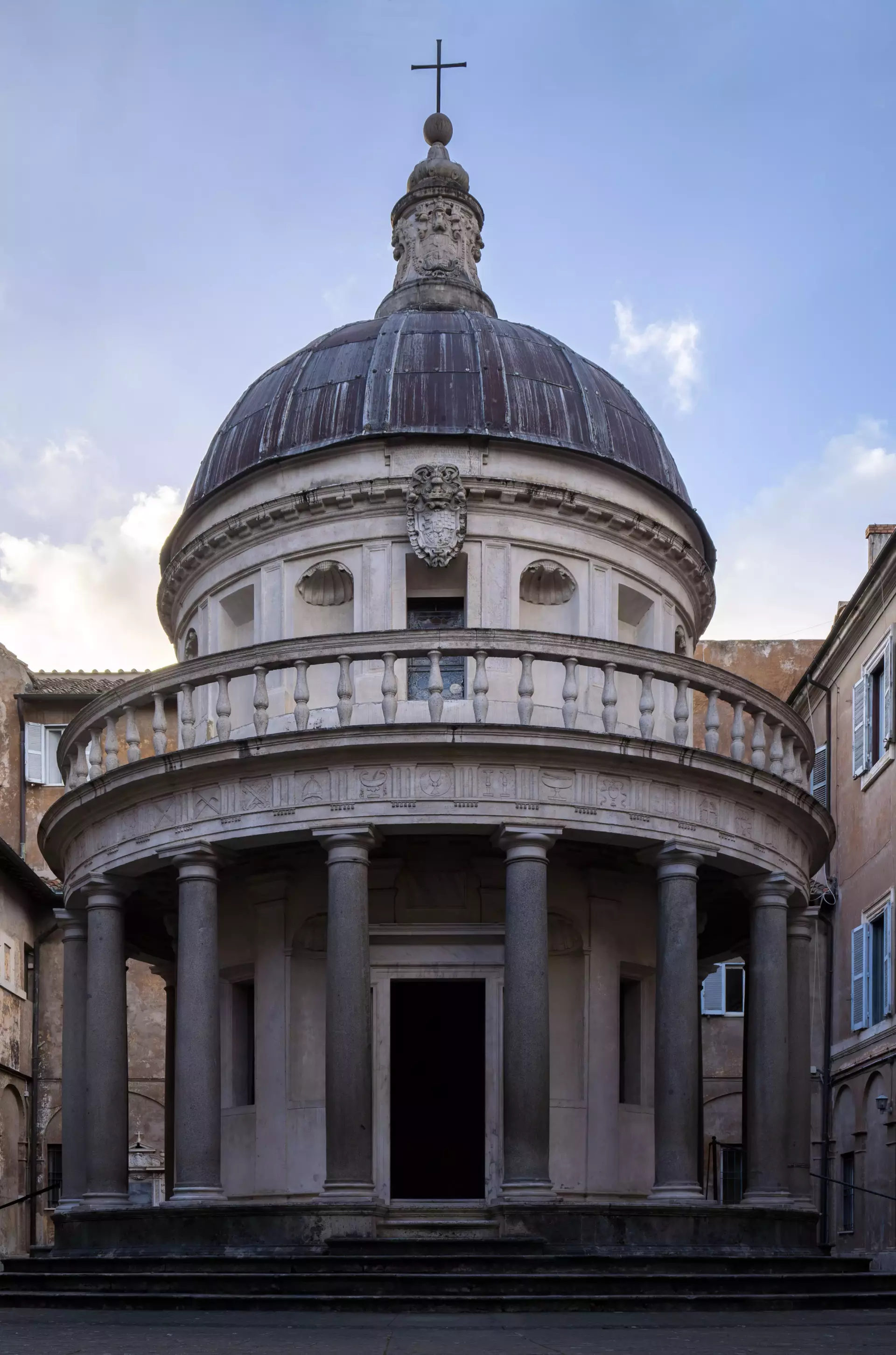
Designed by Bramante to mark the spot of St. Peter's martyrdom, this delightful miniature building is considered a masterpiece of Renaissance architecture. Open to the public.
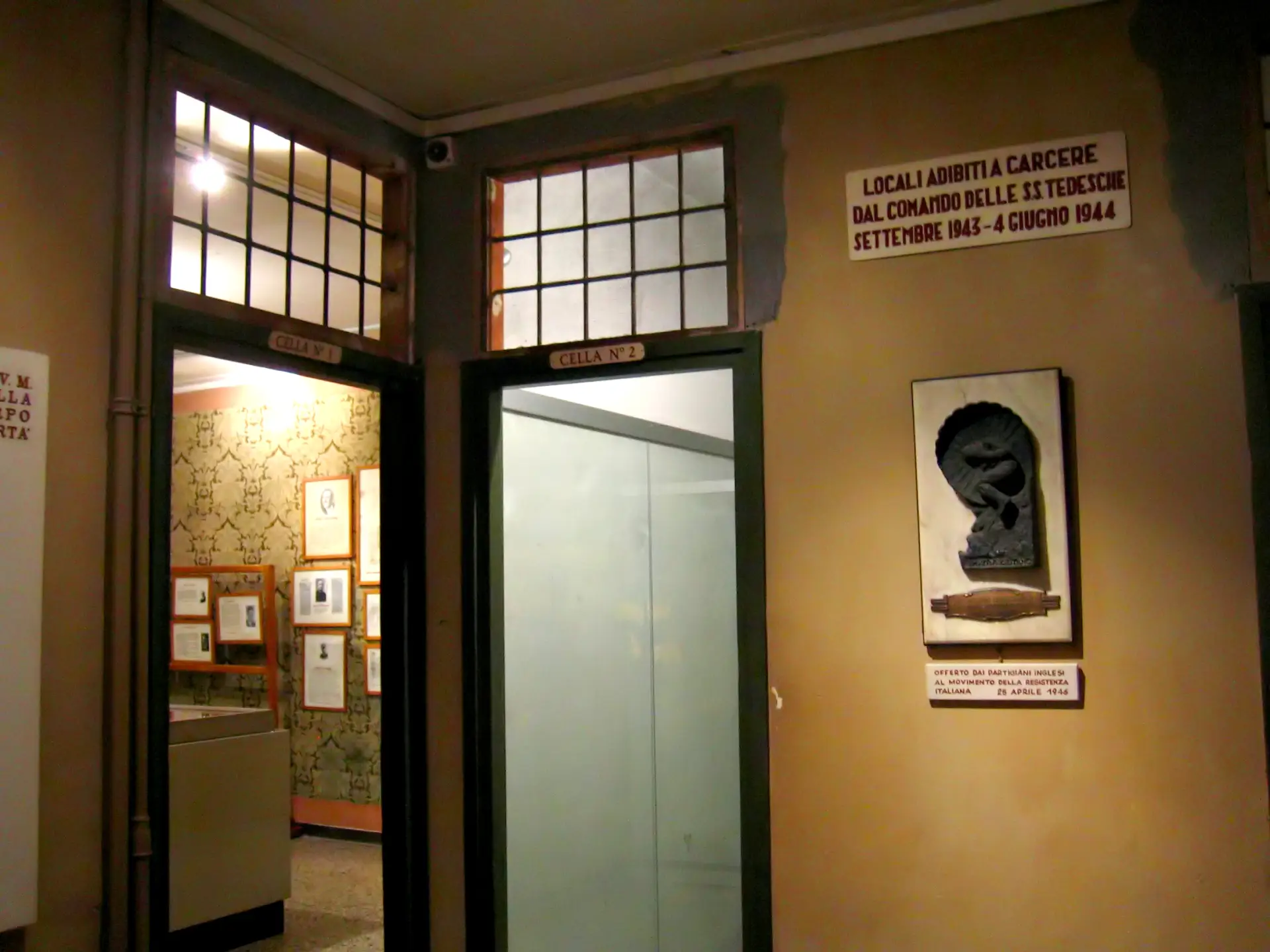
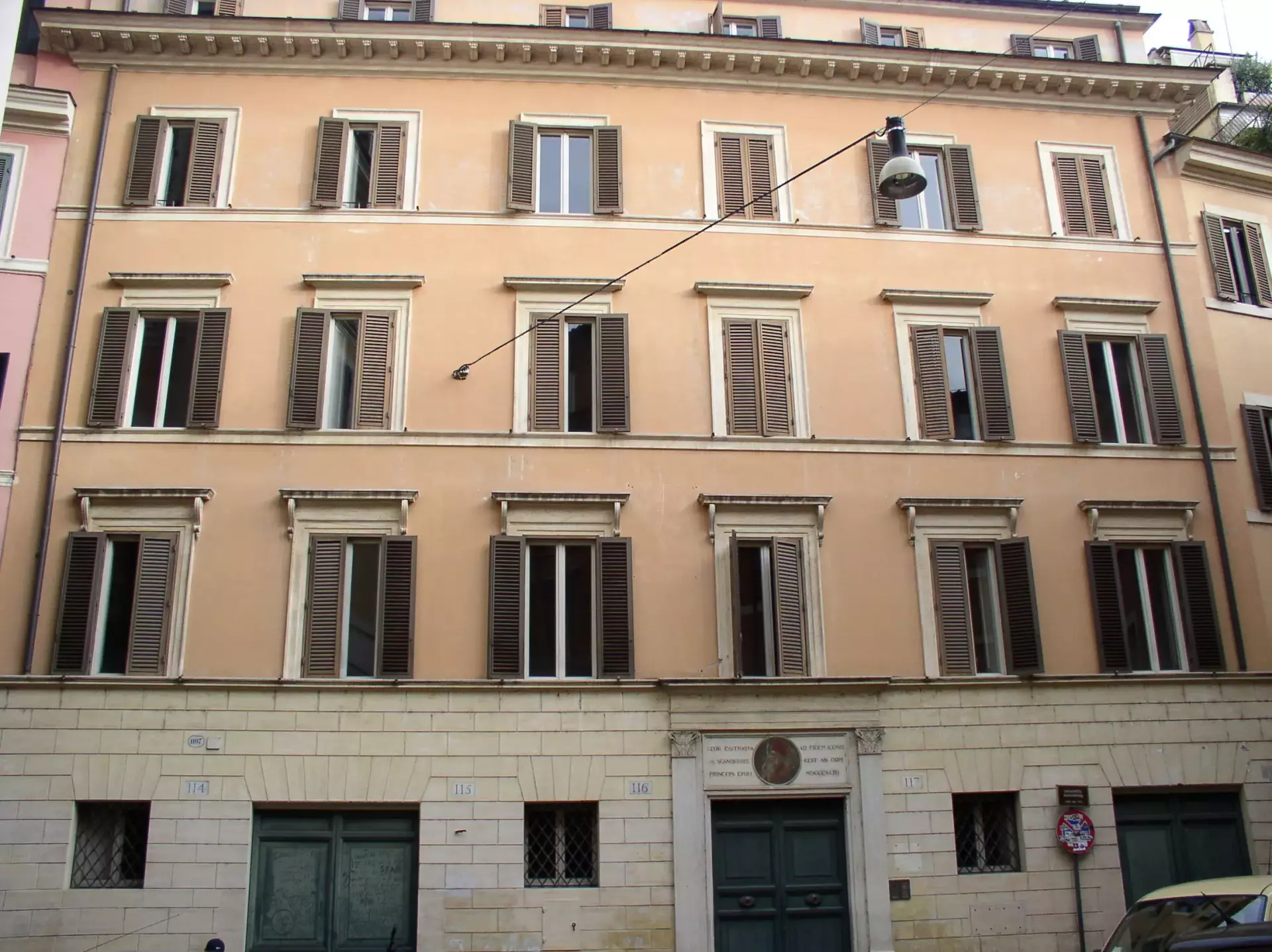
This small museum records the liberation of Rome from German occupation during the Second World War. During the occupation the building was used as a prison. Stair lifts and chair lifts available for wheelchair users (call ahead).
A medieval church dating from the 6th century and home to the Bocca della Verità (Mouth of Truth). The Bocca della Verità at the entrance to the church is thought to be a 1st-century manhole cover. It is believed that if you put your hand in the mouth and tell a lie, the hand will be bitten off. Queues for the privilege of risking this can get rather long. Don't ignore the church, which is a gem, and has a separate entrance. Its mosaic floor in the Cosmatesque style is more rustic and less intricate than some others (Santa Maria in Trastevere, for example), but its simplicity gives it a solidity not found in the more ornate styles. S.M. in Cosmedin has a fine medieval choir enclosure and the tallest medieval belfry in Rome.