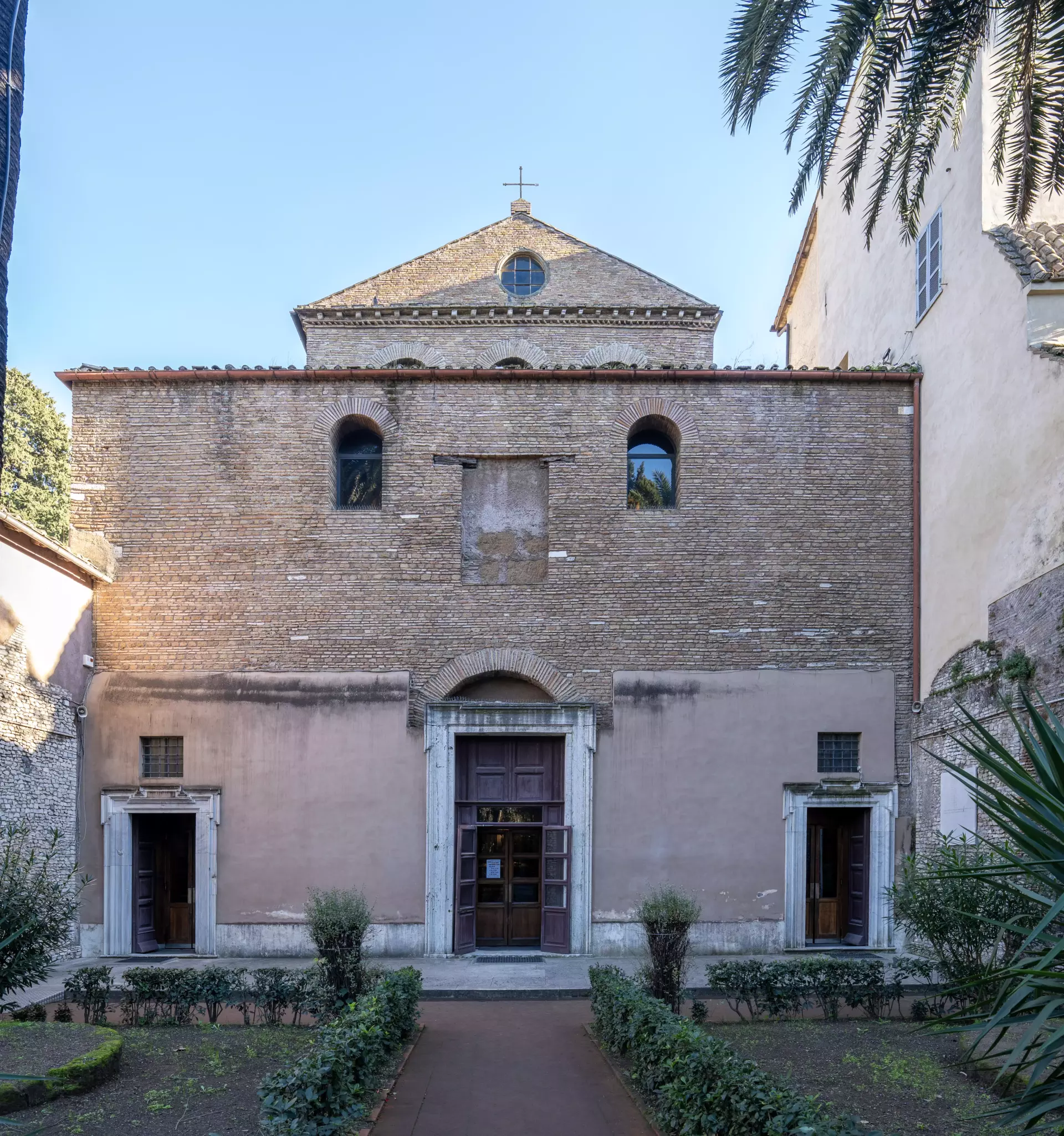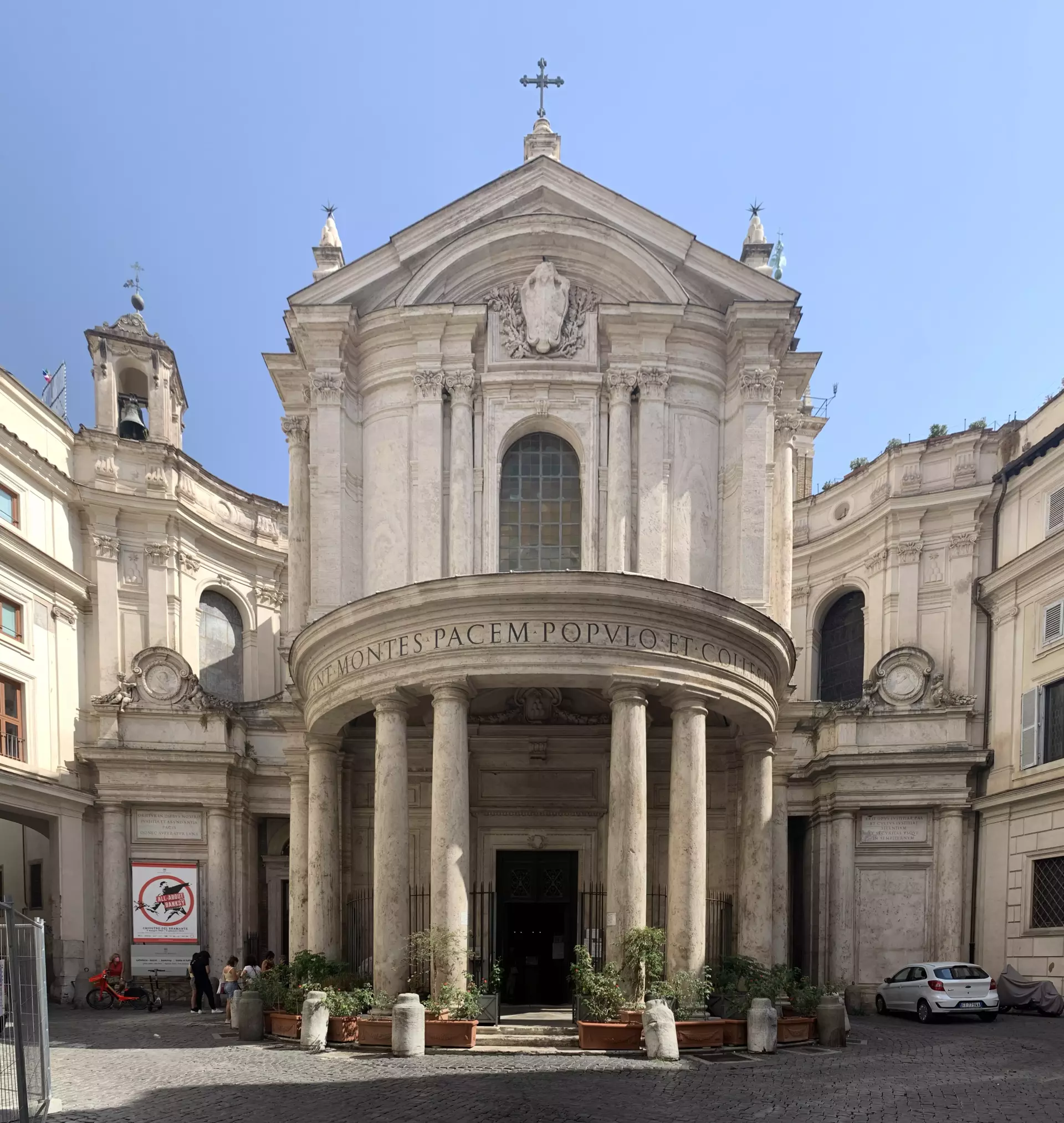
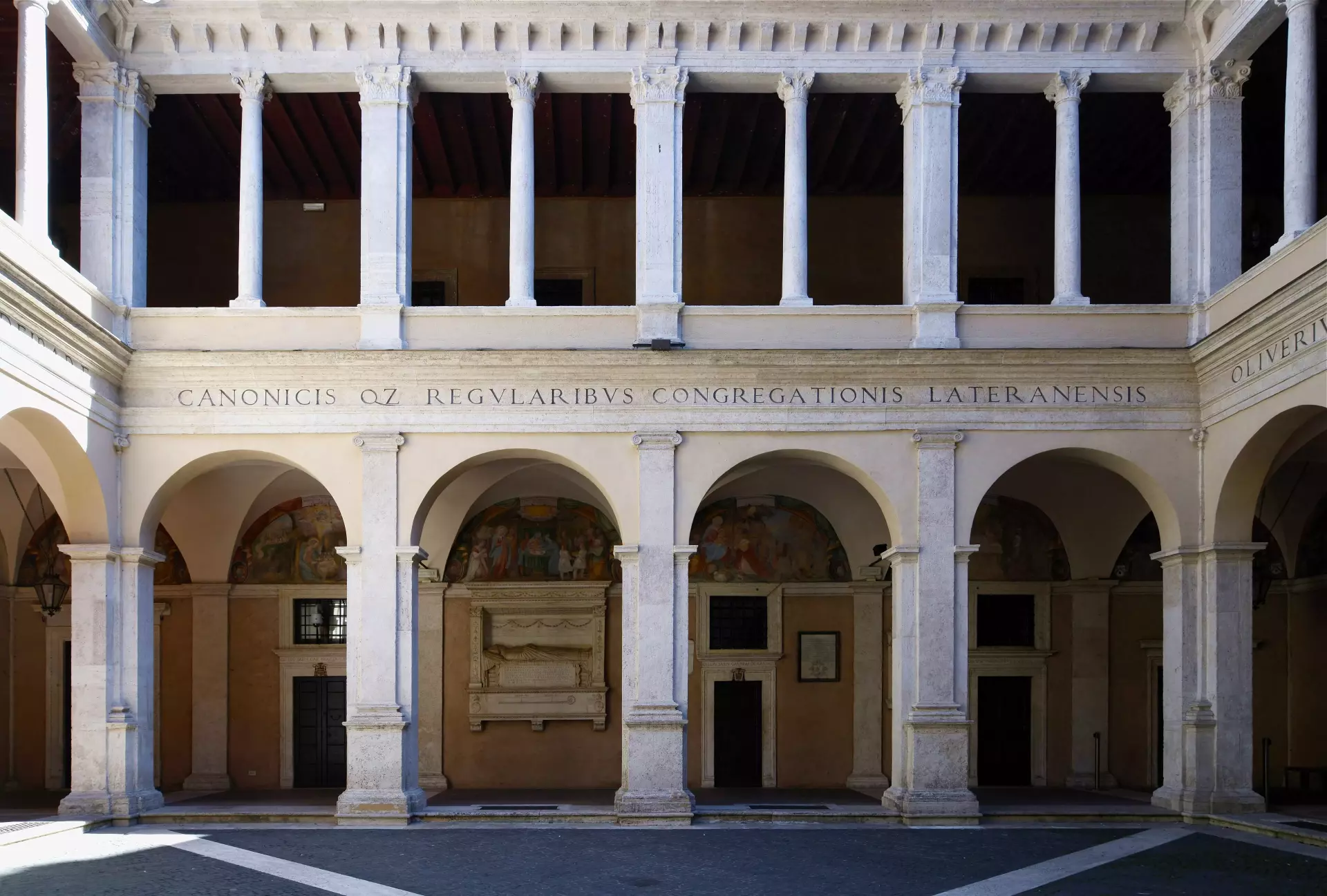
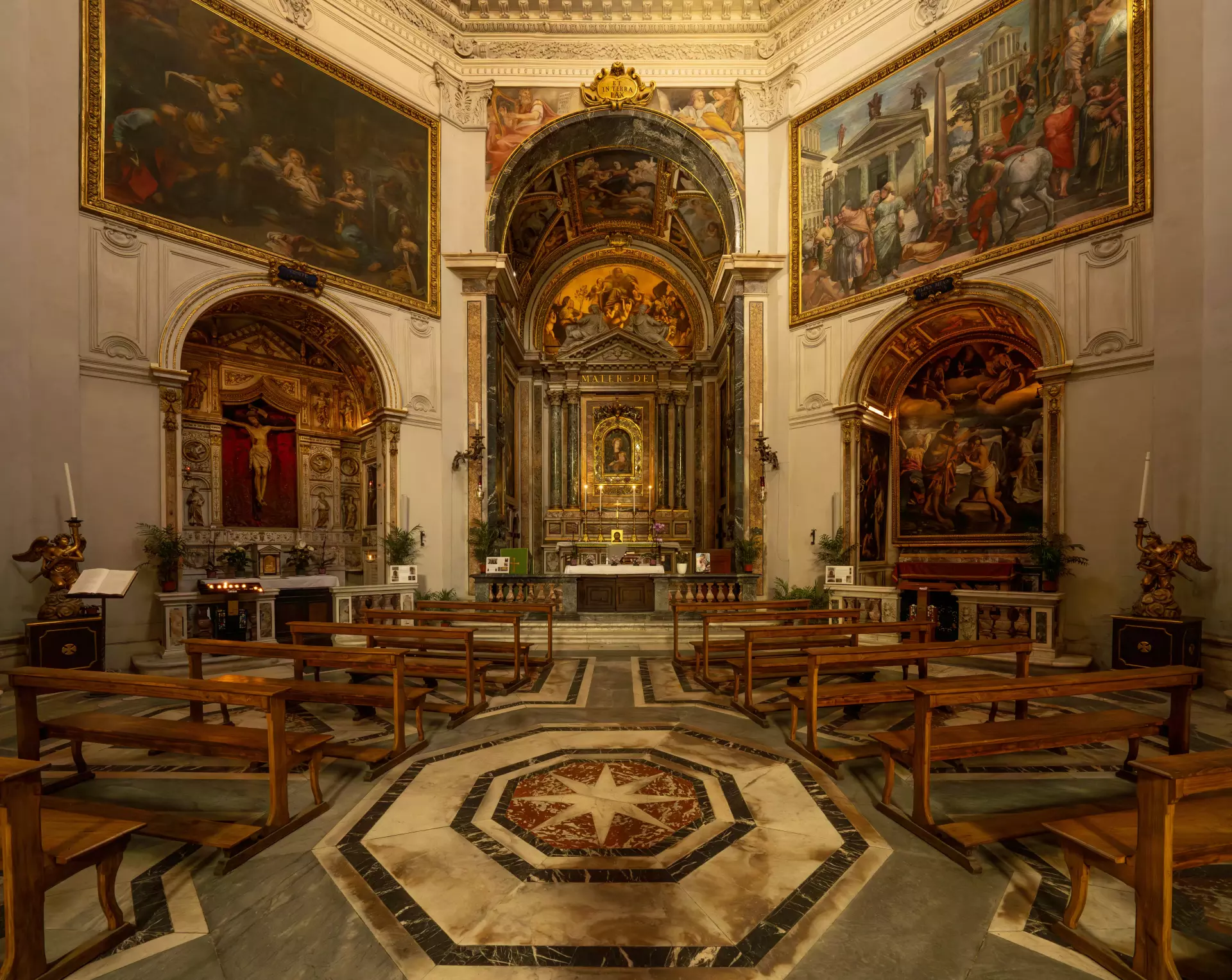
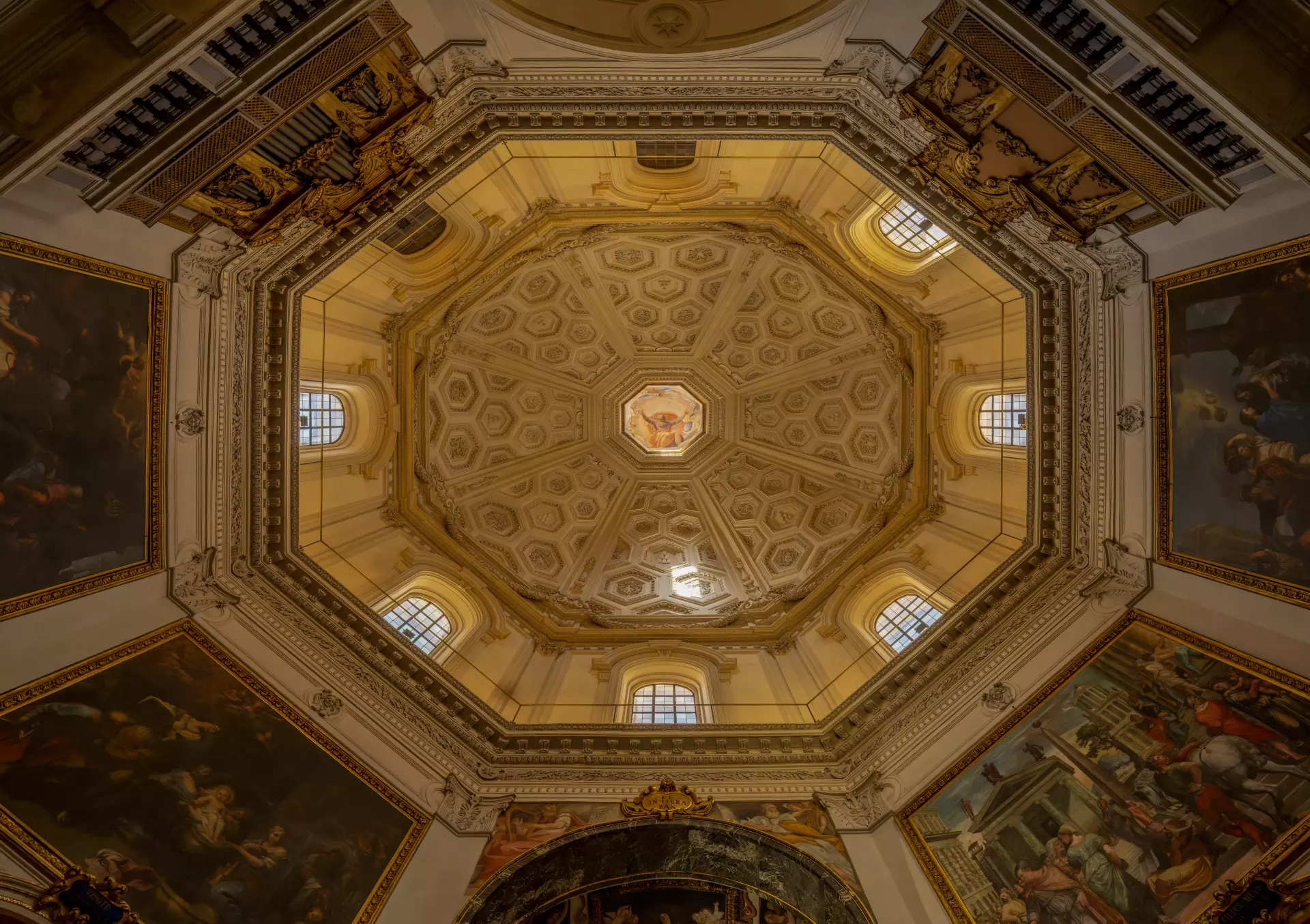
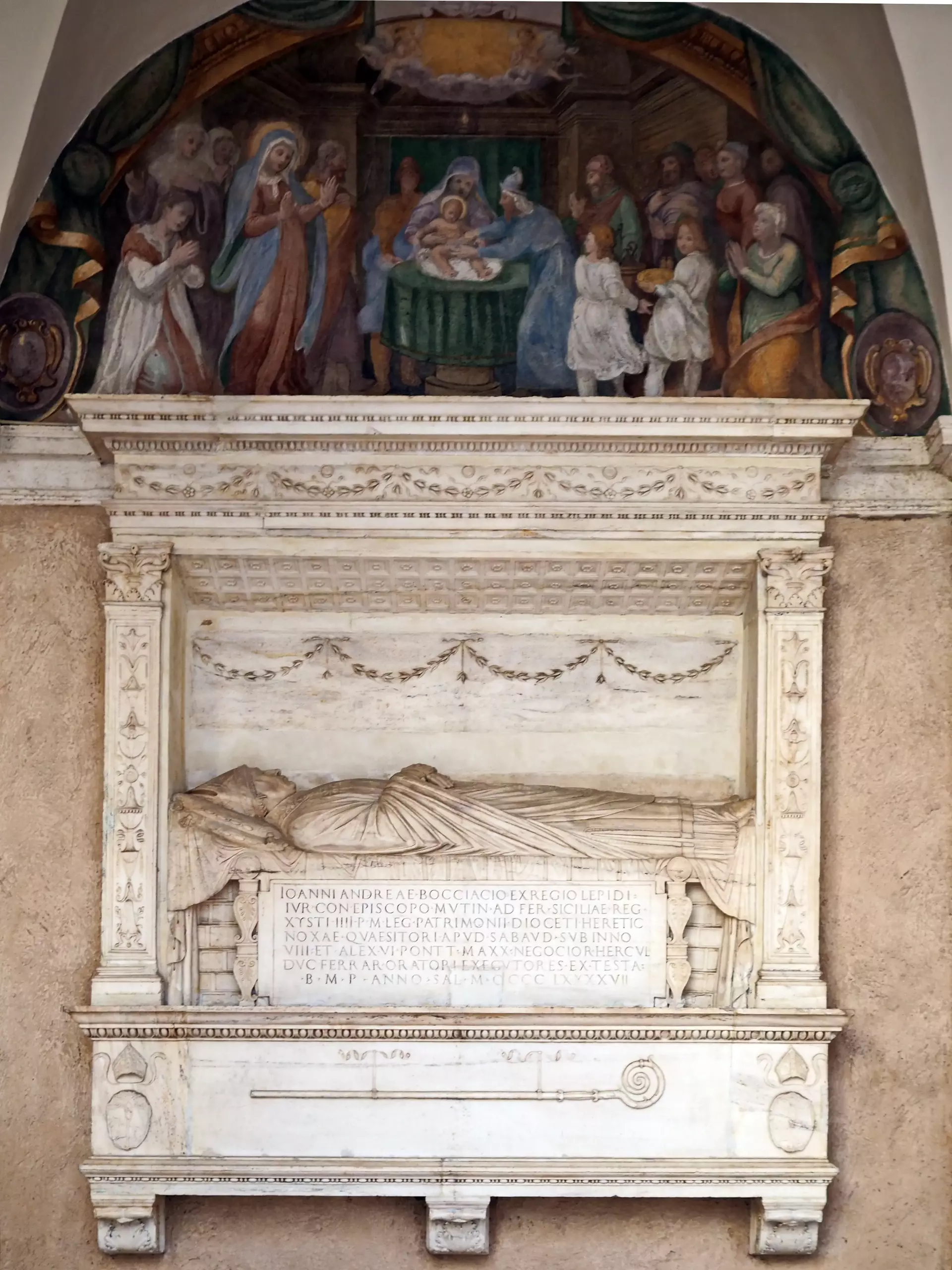
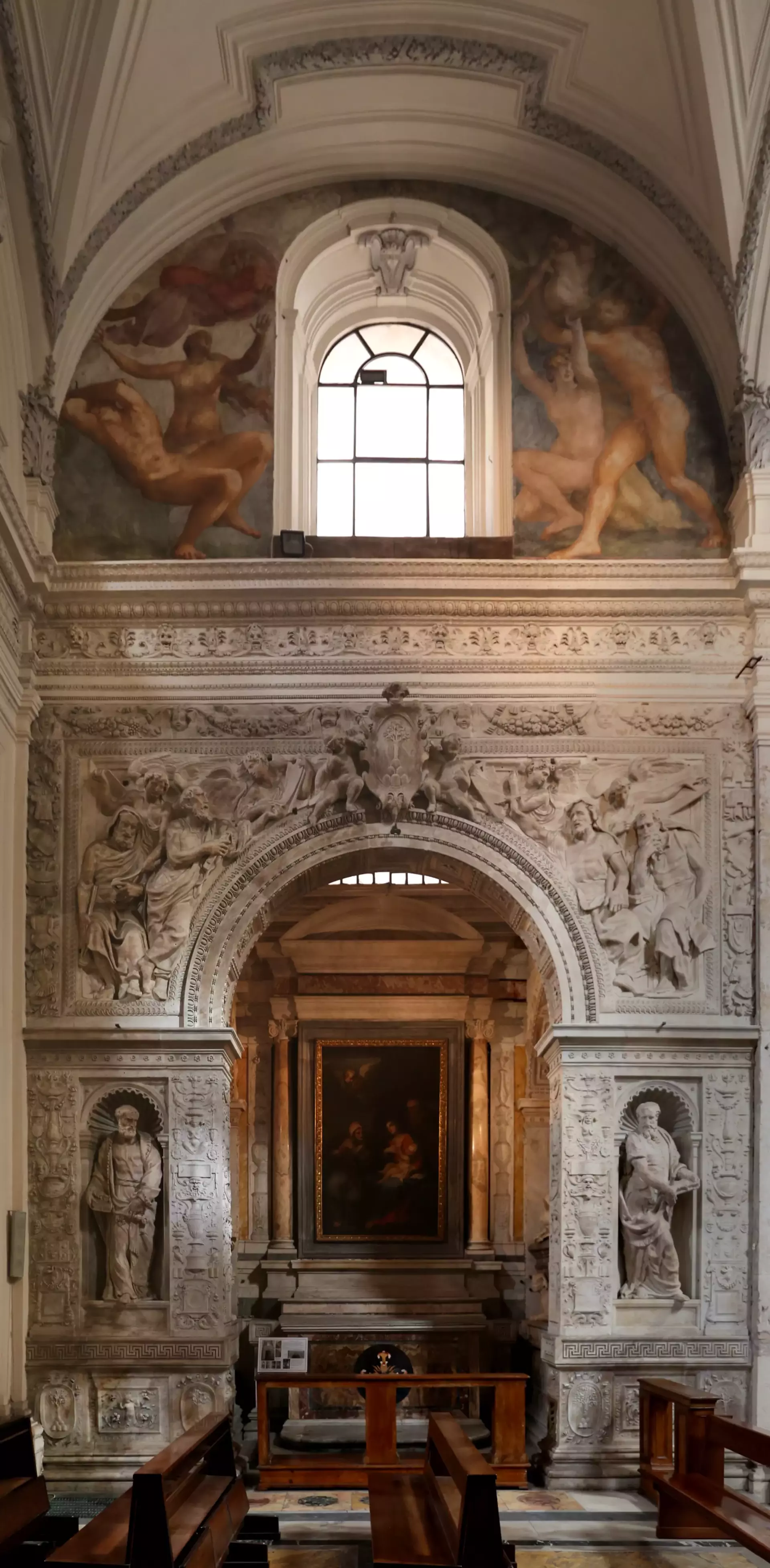
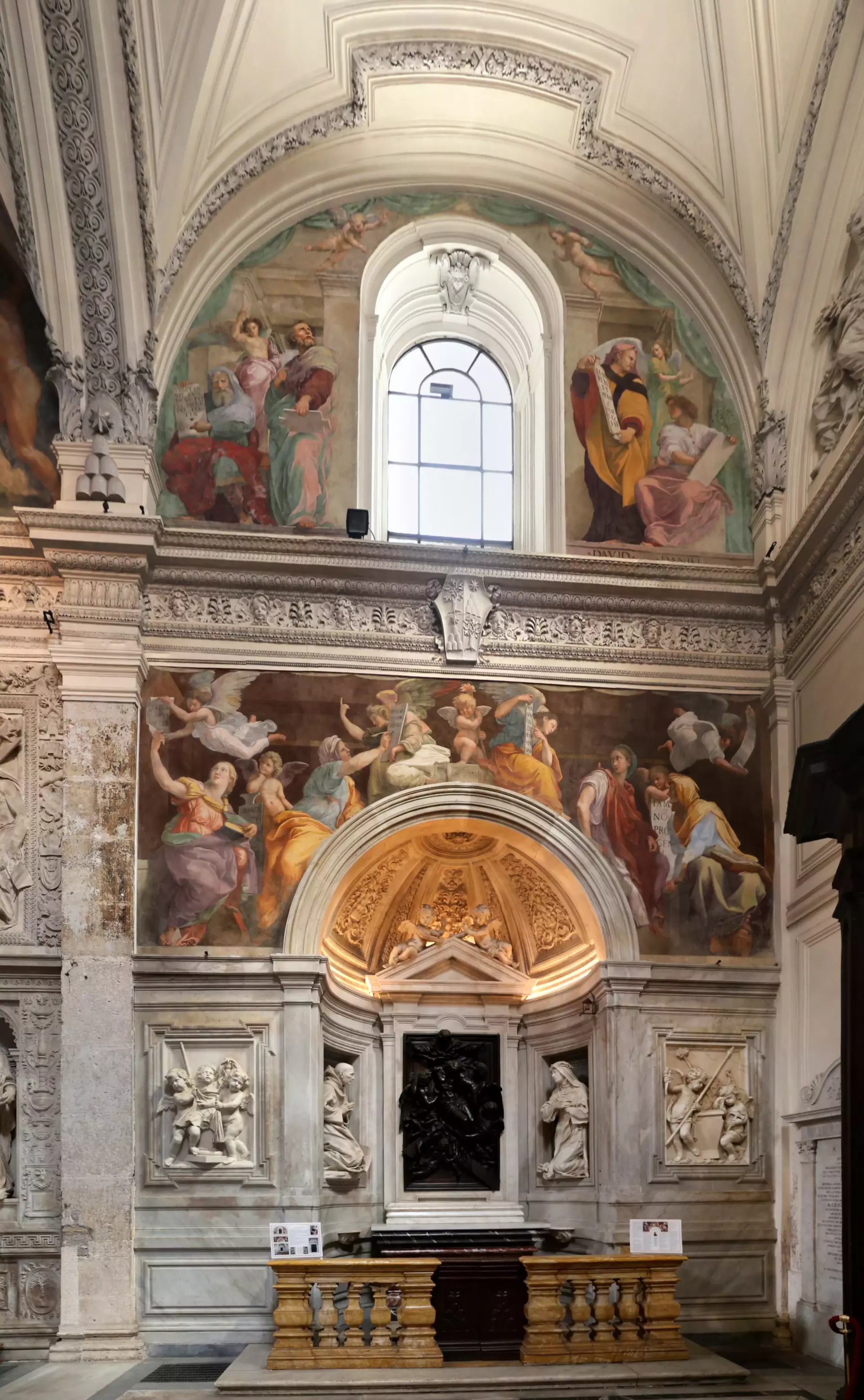
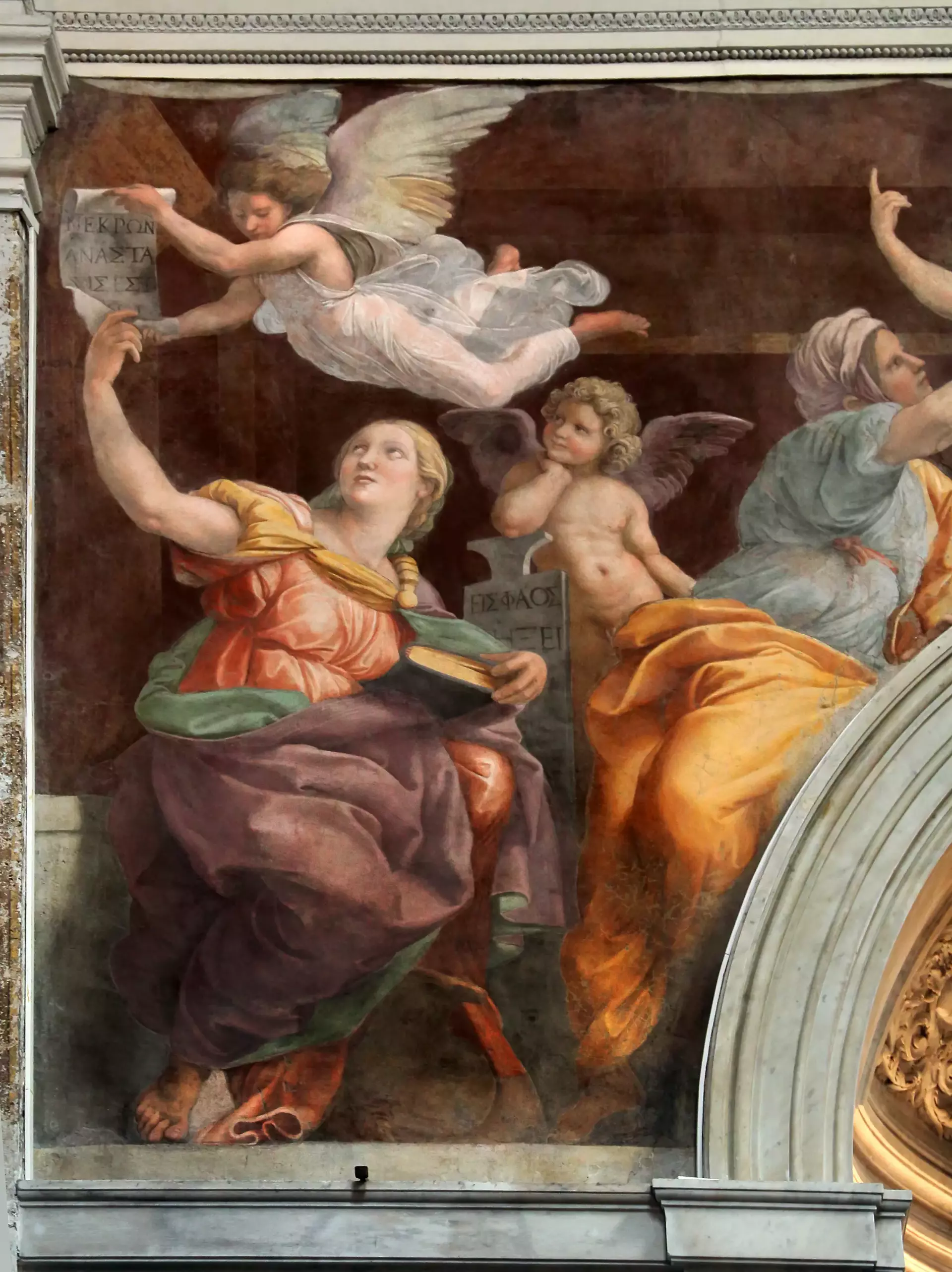
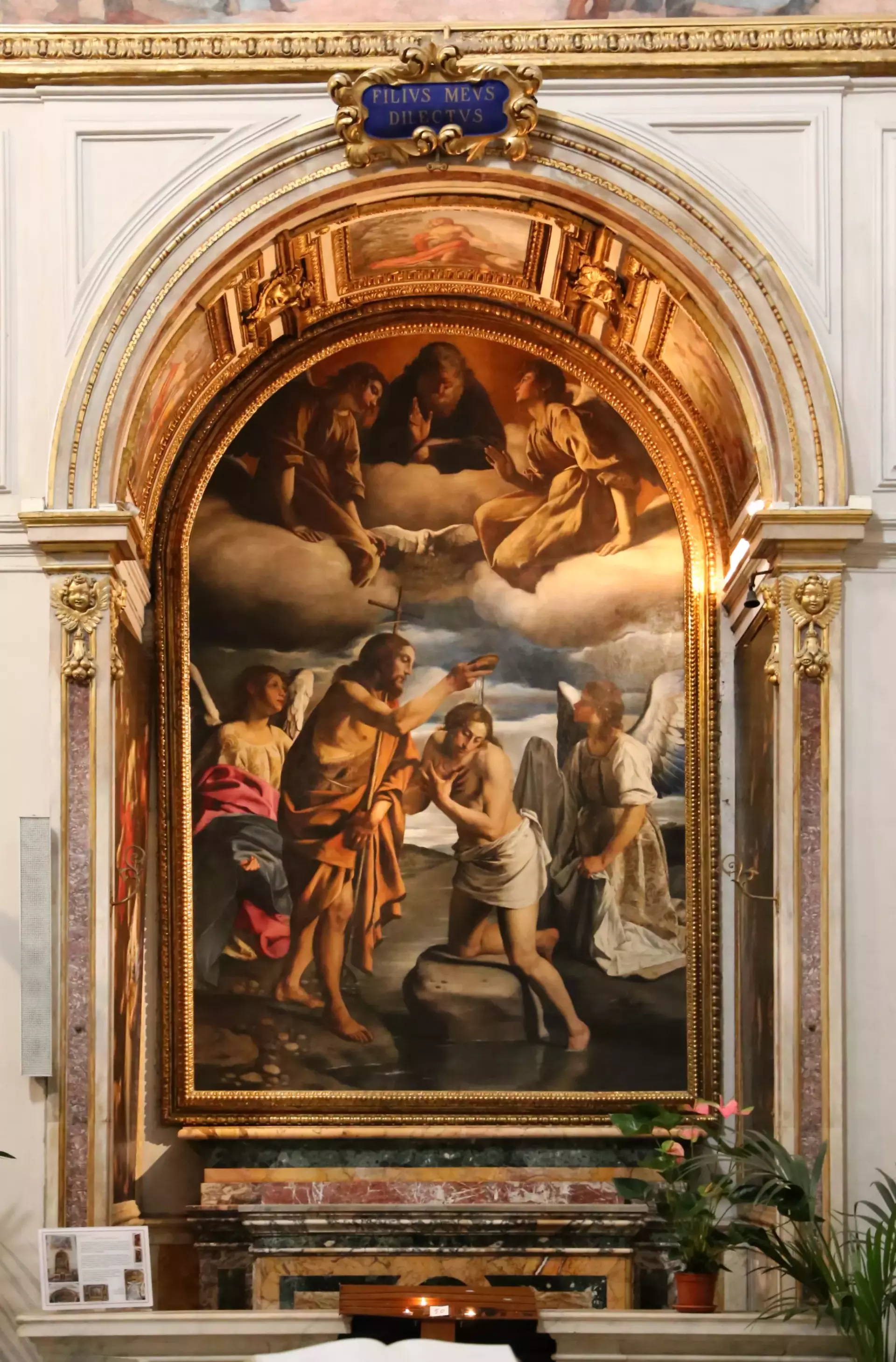
Santa Maria della Pace is a church that was commissioned by Pope Sixtus IV, who belonged to the Della Rovere family. Its history and architecture reflect the styles and ambitions of the Renaissance period in Rome.
The church is notable for its campanile, which was designed and built in 1504 by the famous architect Bramante. This bell tower adds to the church's elegant profile and is considered one of the fine examples of early 16th-century architecture in the city.
Inside Santa Maria della Pace, visitors can find beautiful frescoes painted by Raphael. These artworks depict the four sibyls, mythical women believed in ancient times to have prophetic powers. The frescoes are admired for their color, detail, and the skillful hand of one of the Renaissance's greatest artists.
Source - https://en.wikipedia.org/wiki/Santa_Maria_della_Pace
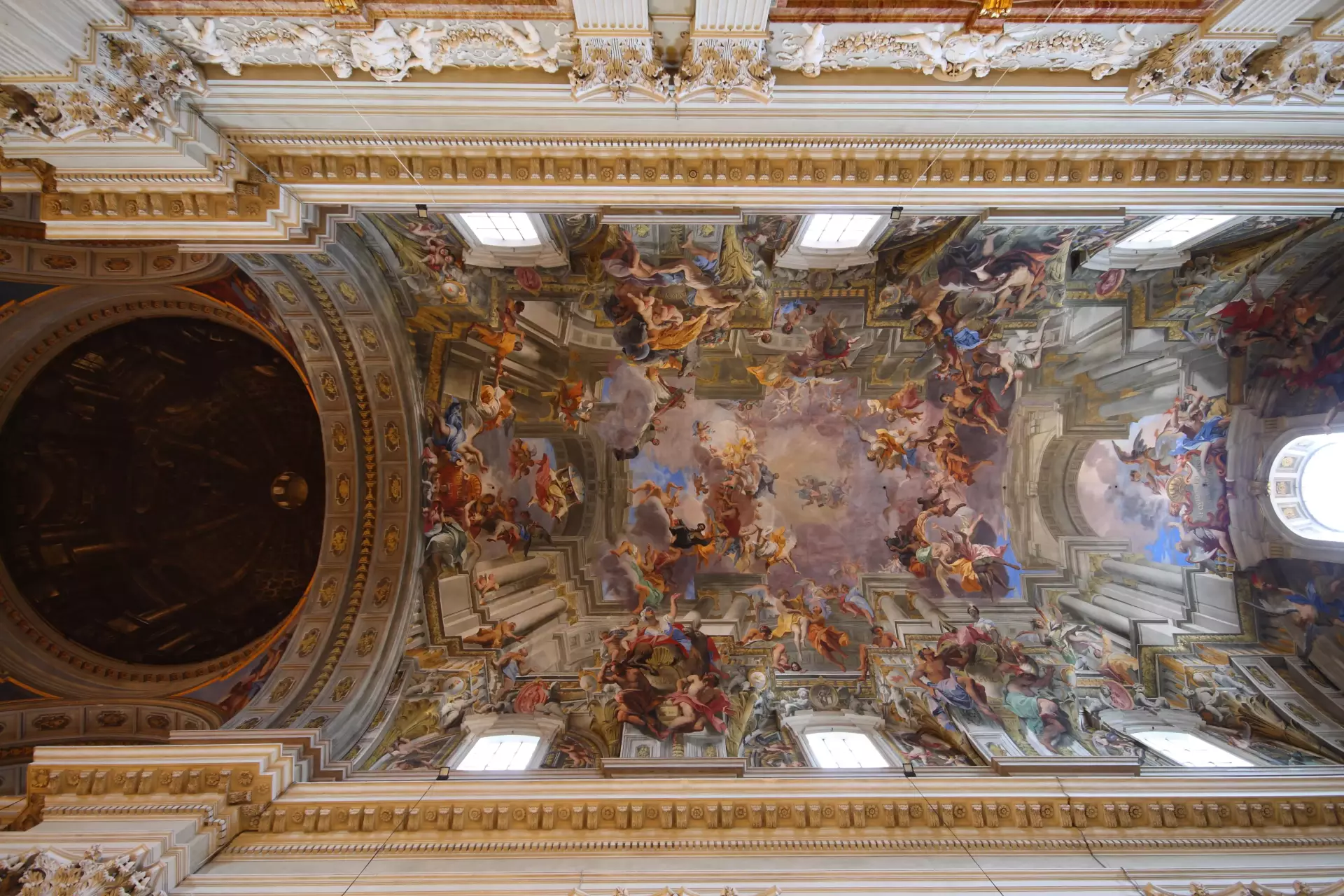
This building housed the University of Rome from the middle of the 15th century until 1935. The splendid interior courtyard was created by Giacomo della Porta. The inside church of Sant'Ivo (see above) is one of the masterpieces of the architect Borromini.
A relaxing place to sit and recover from the exertions of sightseeing. Permanent collection plus annual competition.
The Catacombs of Domitilla are considered to be the best preserved of all Roman catacombs. They are the only ones still to contain bones. Domitilla also has a subterranean basilica, much of which was reconstructed in 1870.
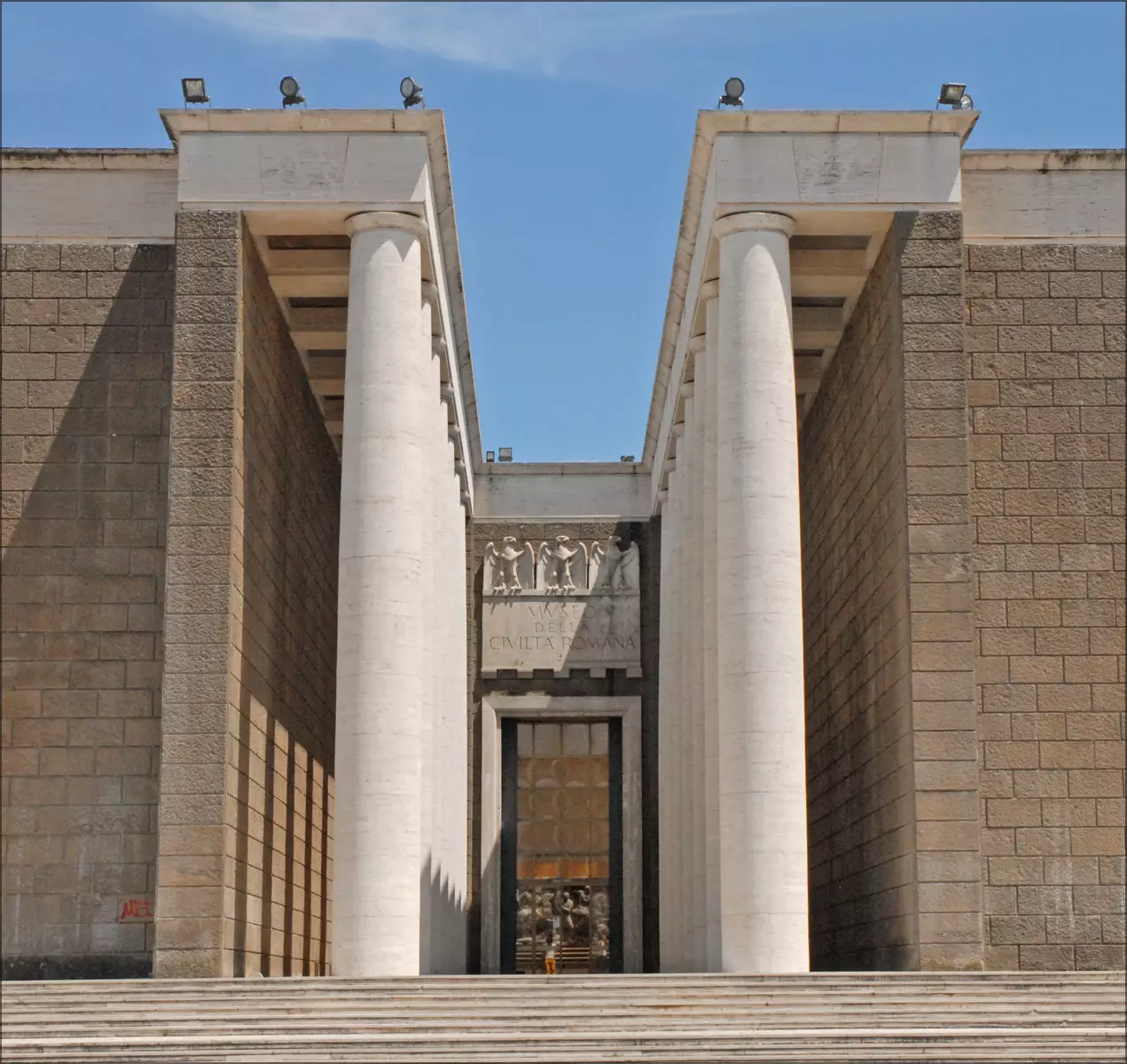
Perhaps most famous for a large model of imperial Rome, but also has a large display of various aspects of ancient Rome, using plaster casts, models and reconstructions of works found in museums throughout the world.
Contains the ruins of several large villas that belonged to wealthy Roman families. You can buy a combined ticket for the Palatine Hill, the Roman Forum and the Colosseum here, avoiding the long lines at the Colosseum. While the Imperial and Roman Fora are probably more spectacular, overall, there are amazing sights on the Palatine Hill, so unless you are terribly short on time or find it too challenging to climb the hill, allow an hour or more for these sights, too.
Contains the tomb of Pope Hadrian IV, the last non-Italian pope before Pope John Paul I.
This small museum records the liberation of Rome from German occupation during the Second World War. During the occupation the building was used as a prison. Stair lifts and chair lifts available for wheelchair users (call ahead).
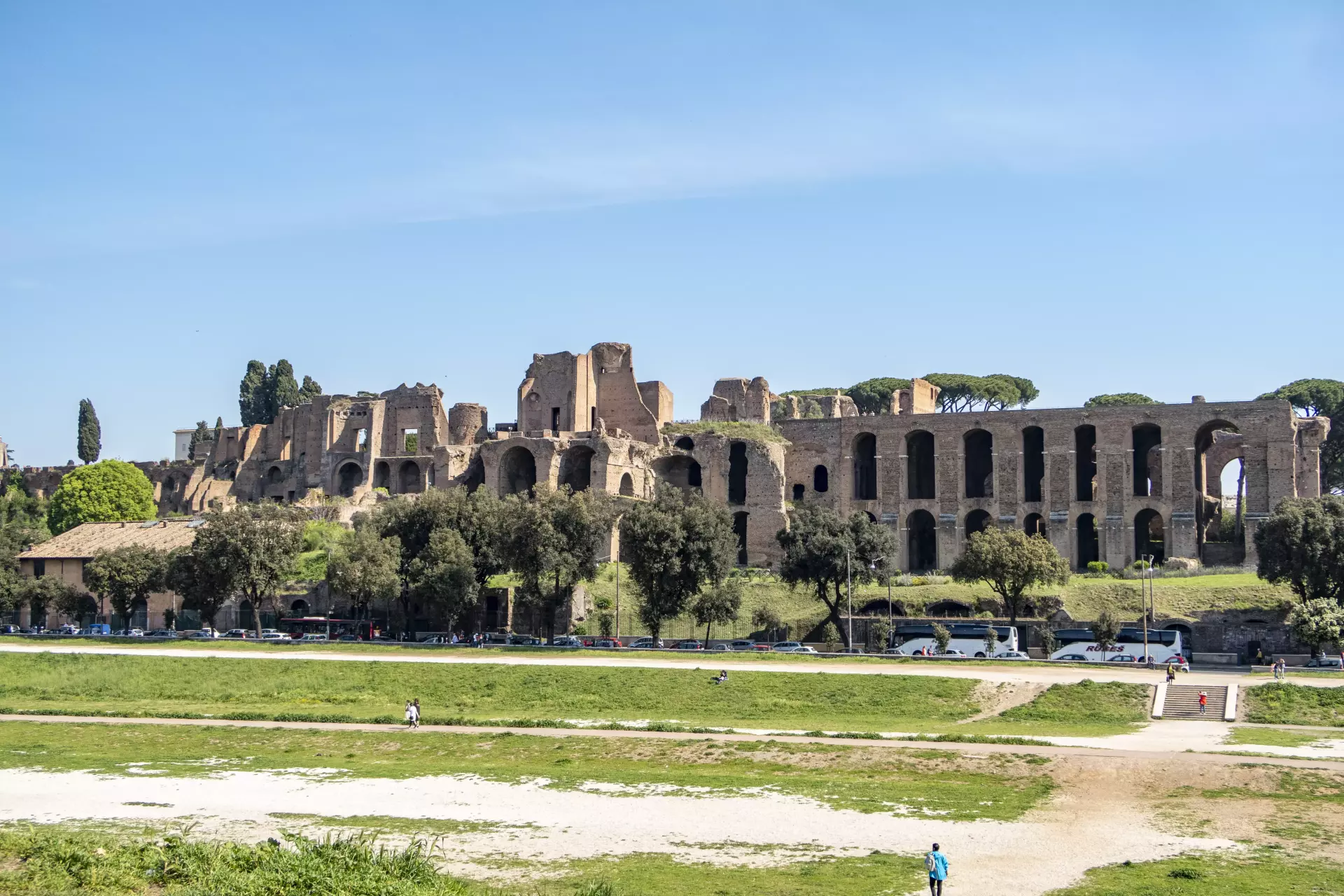
The contours of the ancient stadium, built in the 6th Century B.C., are still visible in what is now a park in the shadow of the Palatine. Circus Maximus was primarily devoted to chariot races and was used for this purpose until around 550 AD. The stadium could seat up to 150,000 people. Originally built of wood, it burnt down twice, on the second occasion starting the great fire when the Emperor Nero was said to fiddle while Rome burned. It was in one of the tunnels here that Caligula met his end. Excavations began in 2009 at the east end of the circus and are likely to go on for some years.
This is the largest square in Rome. It sometimes hosts pop concerts and is the focal point for Rome's New Year's Eve celebrations. The twin churches Santa Maria dei Miracoli (1681) and Santa Maria in Montesanto (1679) used to provide a clear welcome to Rome for those coming from the north. Much older, to the north of the piazza is yet another Santa Maria (see below). The Piazza del Popolo is considered as one of the most beautiful squares in Europe. It was enlarged and two streets, the Via di Ripetta and the Via del Babuino were added by order of Pope Sixtus V. In the middle of the square is an obelisk (see below). In 1809-1816, Giuseppe Valadier, Roman architect of French origin, gave the square its characteristic oval shape.
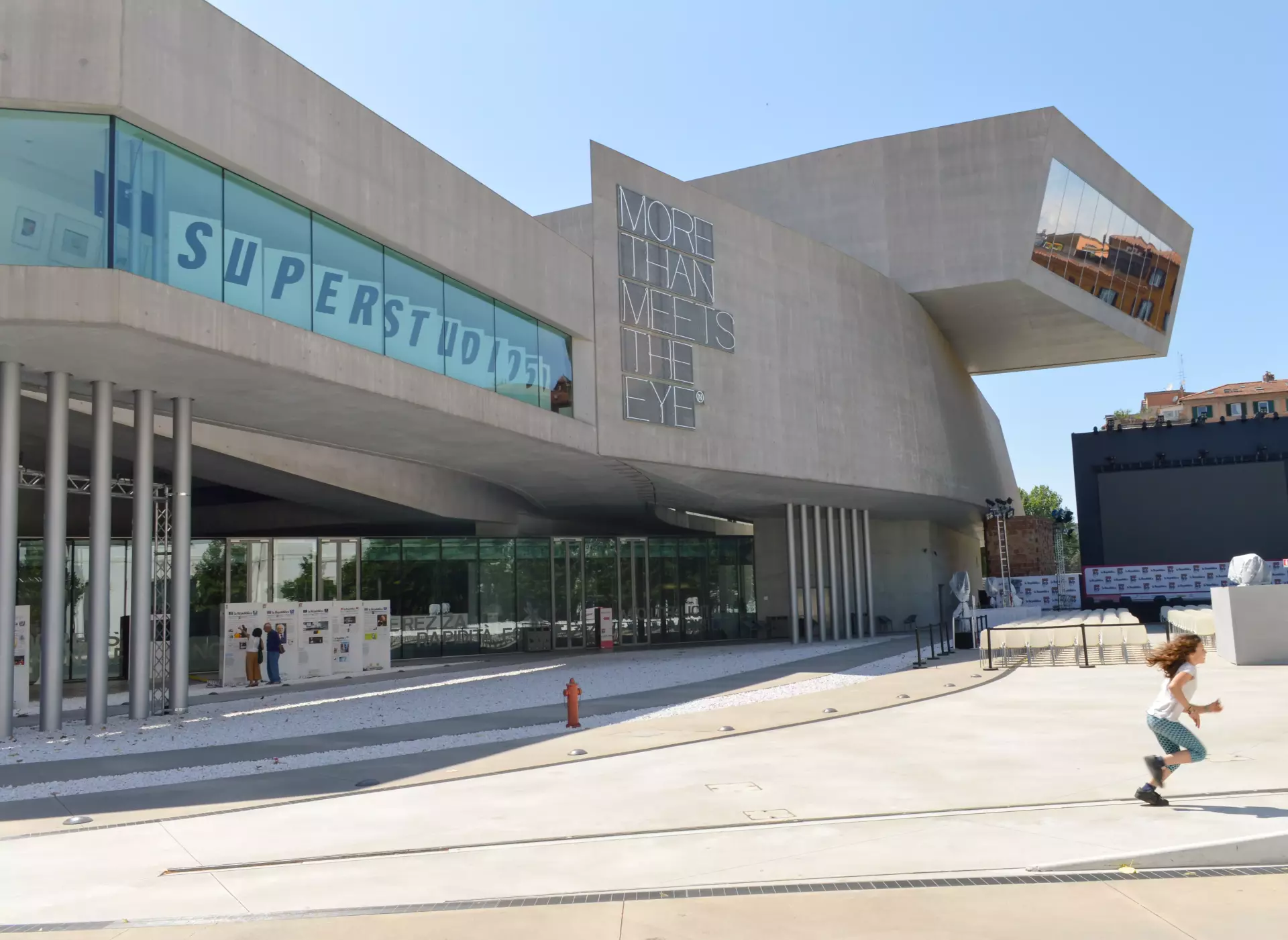
Brand new museum designed to celebrate the art and architecture of the 21st century.
A magnificent patrician house with beautiful gardens. It was built by order of Cardinal Alessando Albani in 1743-1763 in order to accommodate his collection of art. The collection was taken care of by the Winkelmann, adviser and friend of the cardinal. In Rome, Winkelmann wrote his "Geschichte der Kunst des Altertumns (HIstory of the Art of Antiquity)", which made him the founder of classical archaeology. The painted ceiling of the great hall depicting Mount Parnassus is by the German painter Anton Raphael Mengs who was considered as the greatest painter in Rome in the 18th century. A permission to visit is to be requested by email or fax from Principi Torlonia's administration where you'd need to indicate date and time desired, your name and number of people in your party (max. 10).
In addition to Santa Maria in Cosmedin there is a lot to be seen around this piazza. Opposite the church is the round temple dedicated to Hercules Invictus (the Unconquered Hercules), and not far from that the rectangular Fortuna Virilis, both constructed in the 1st Century. Opposite, to the back of the piazza is the Arch of Argentari and behind that the church of San Giorgio in Velabro, the front of which was repaired after being damaged by a terrorist bomb in July 1993.