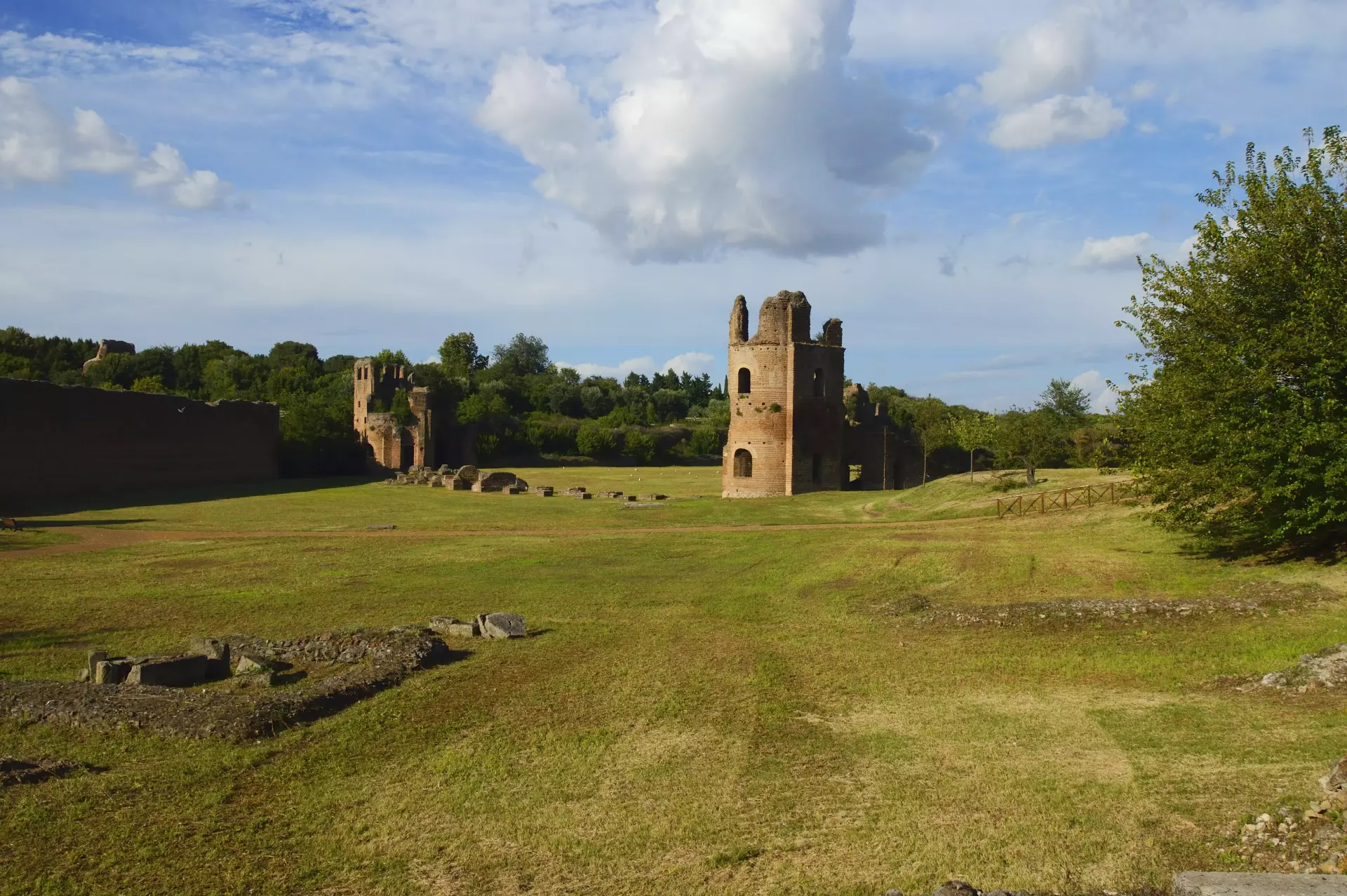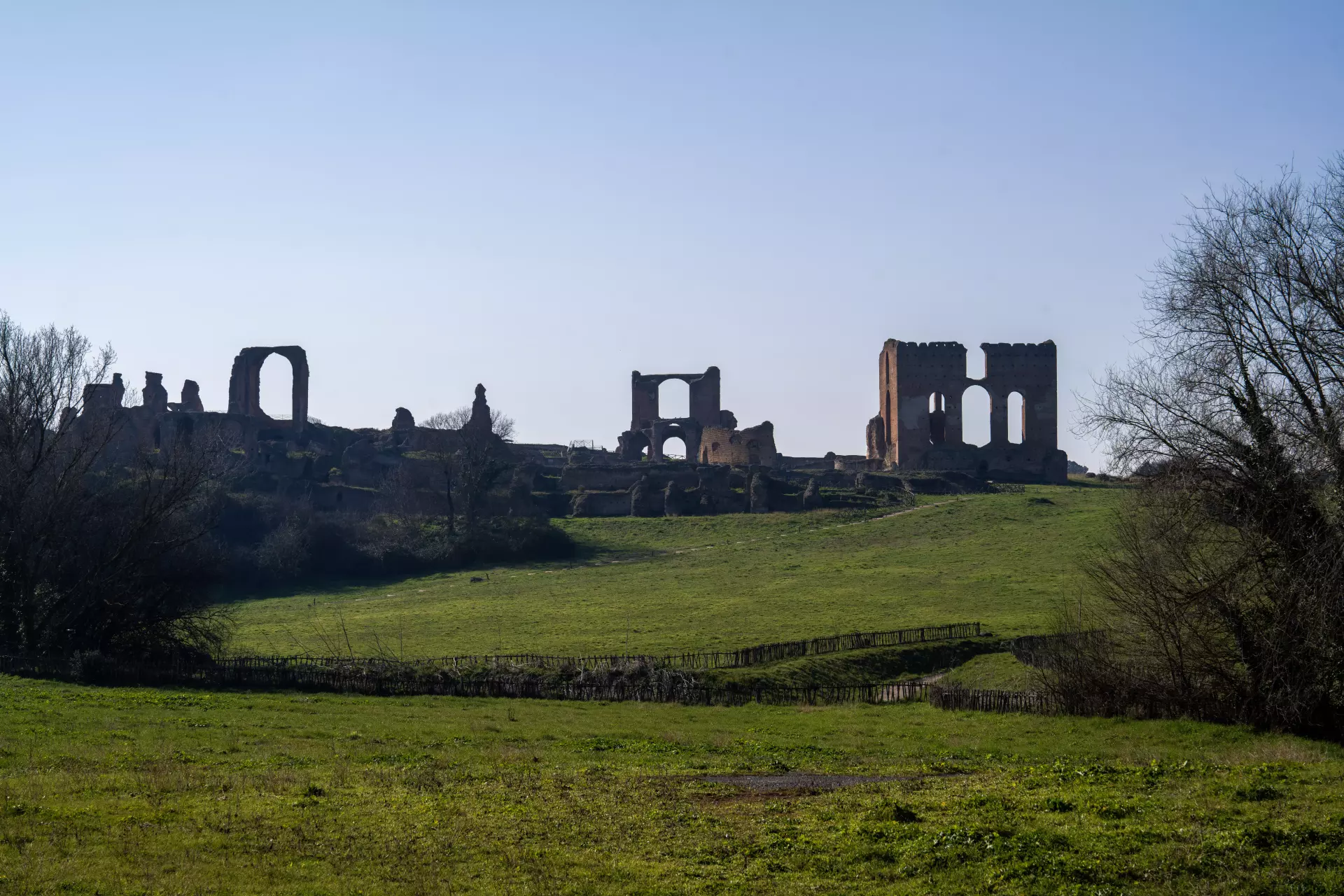
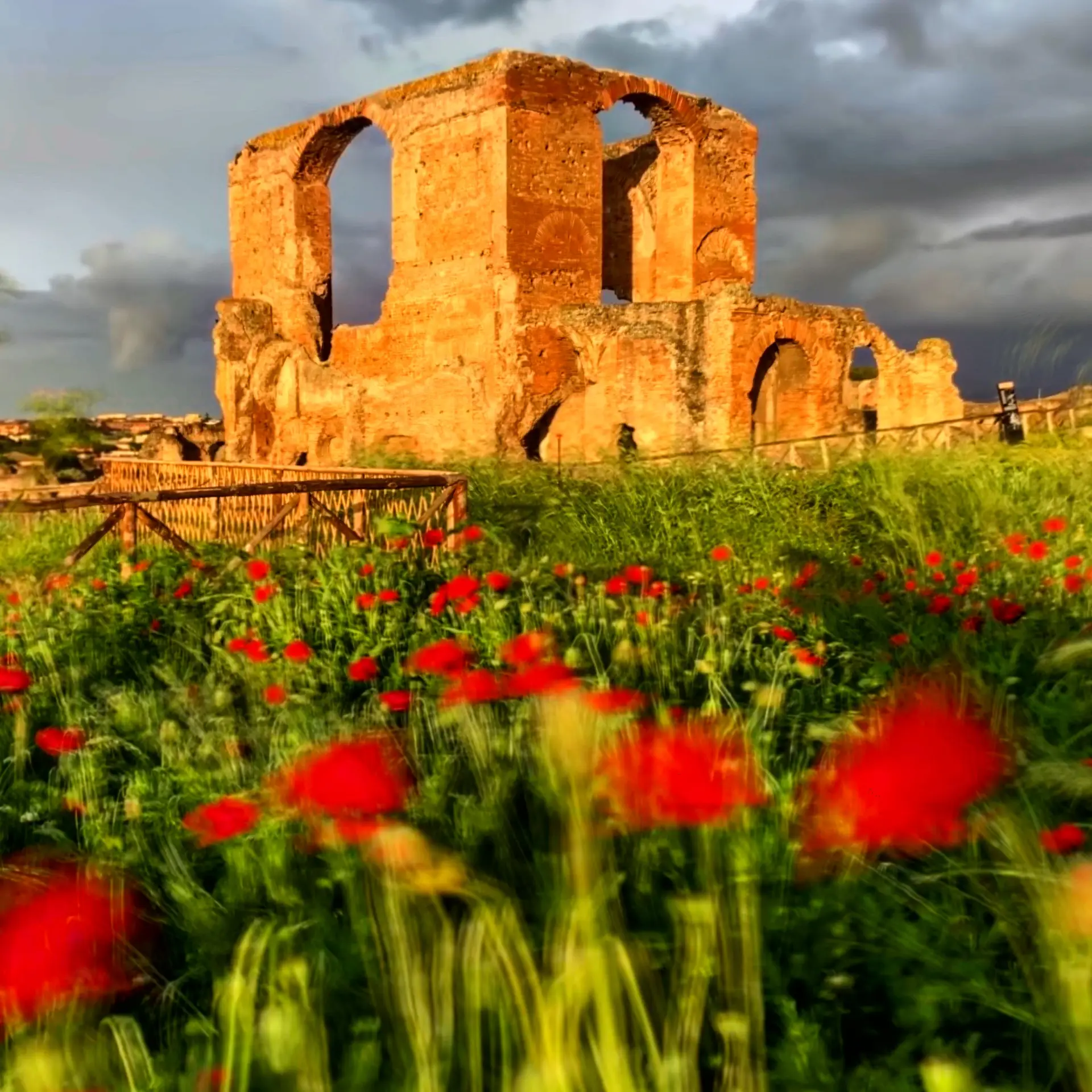
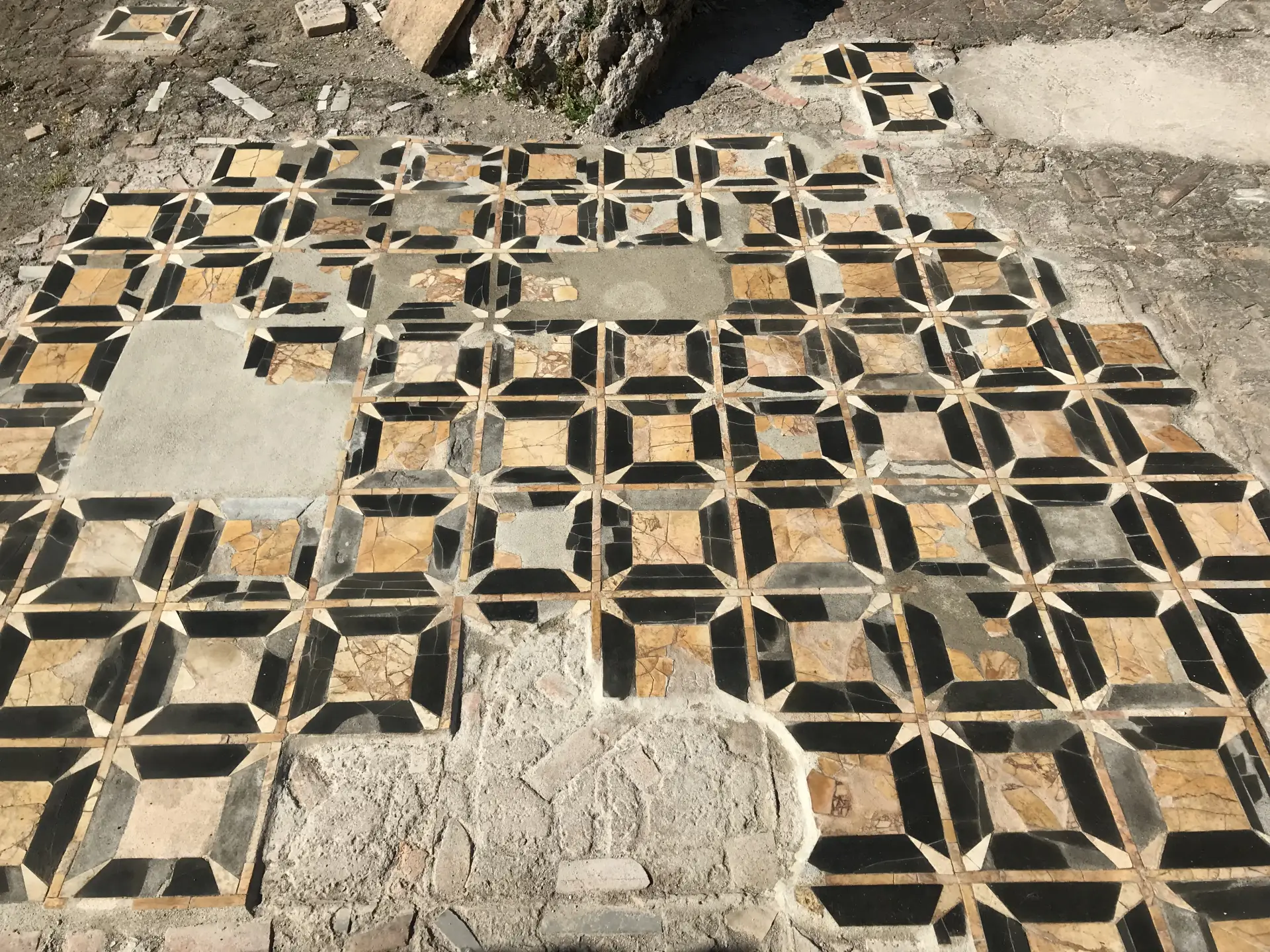
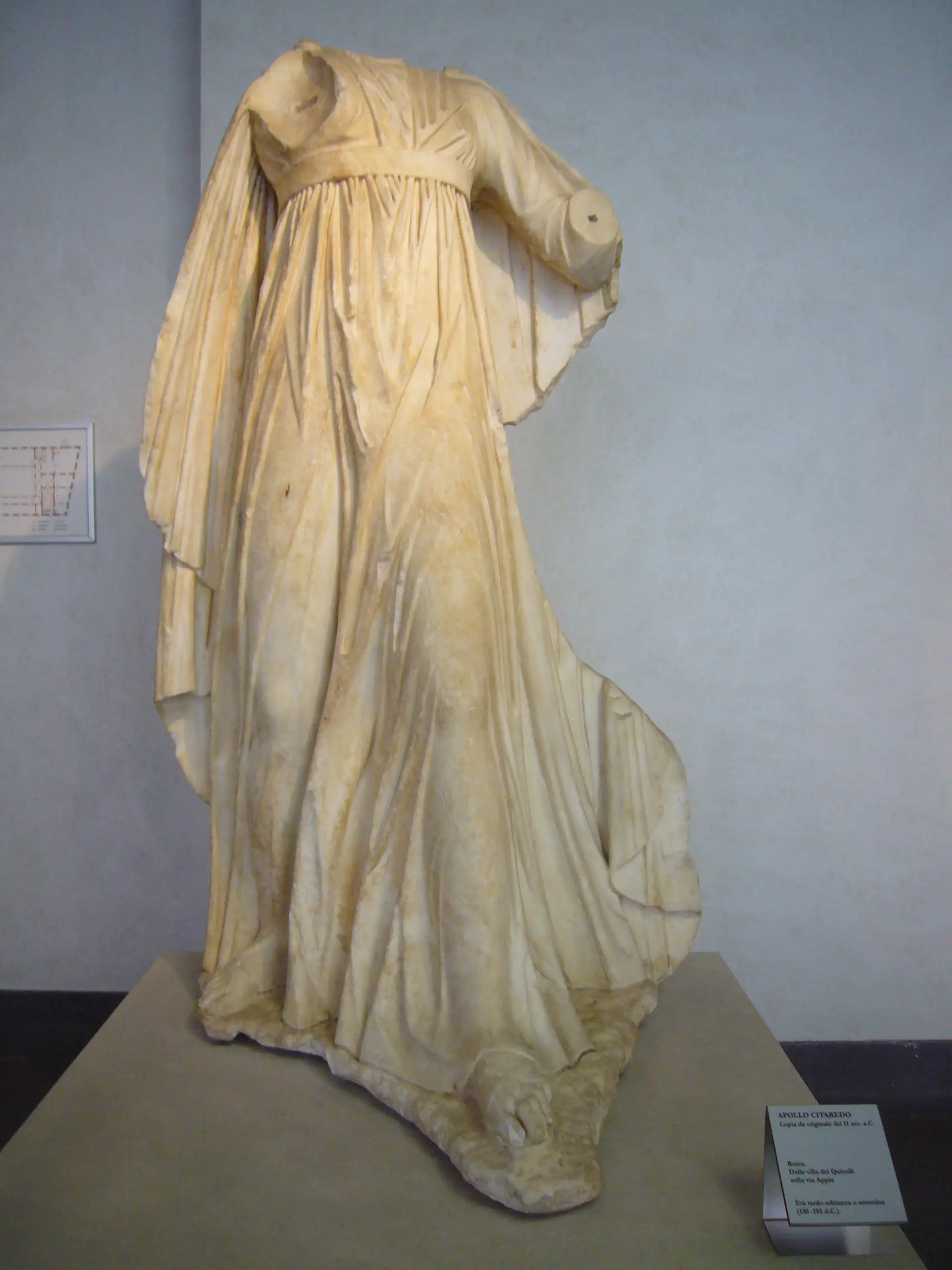
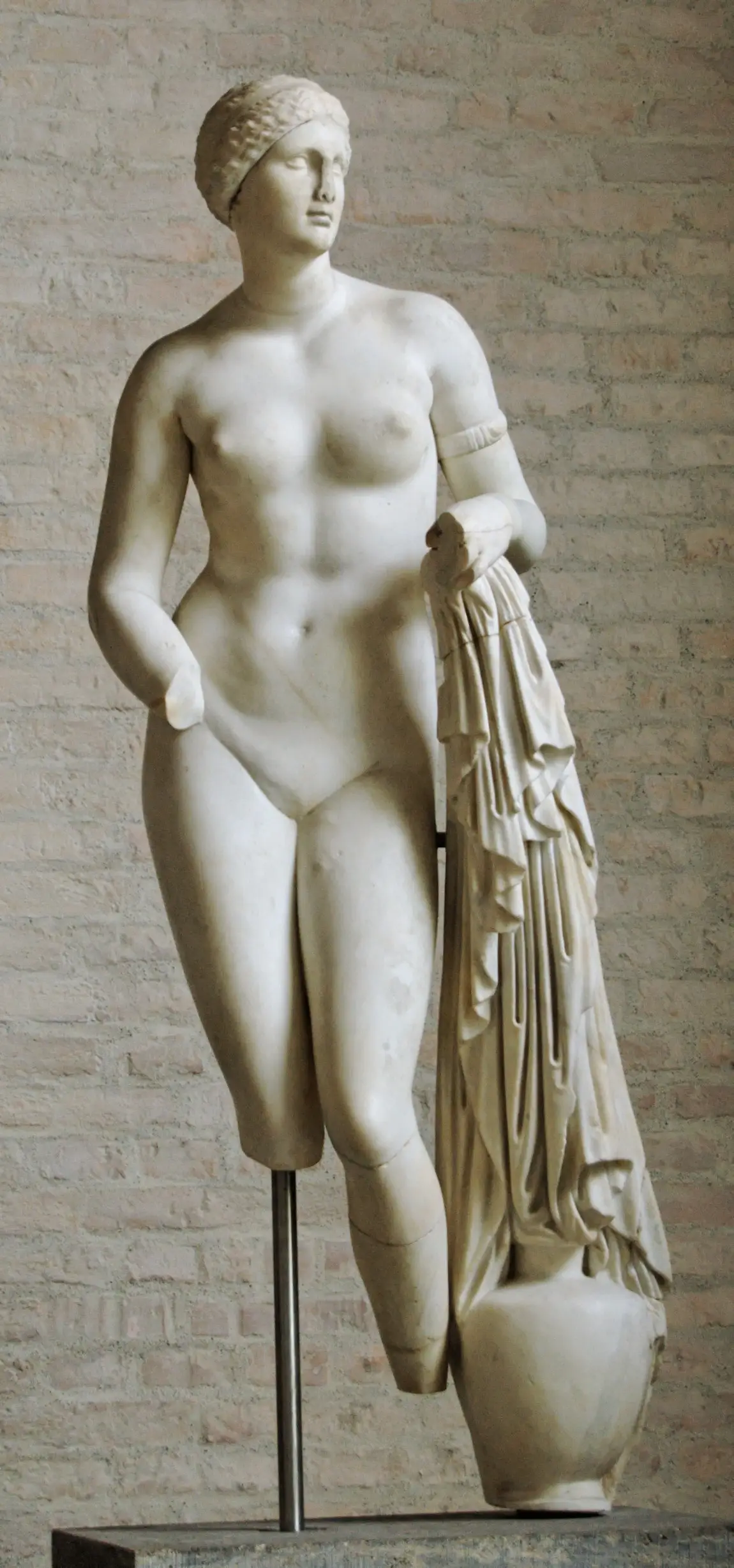
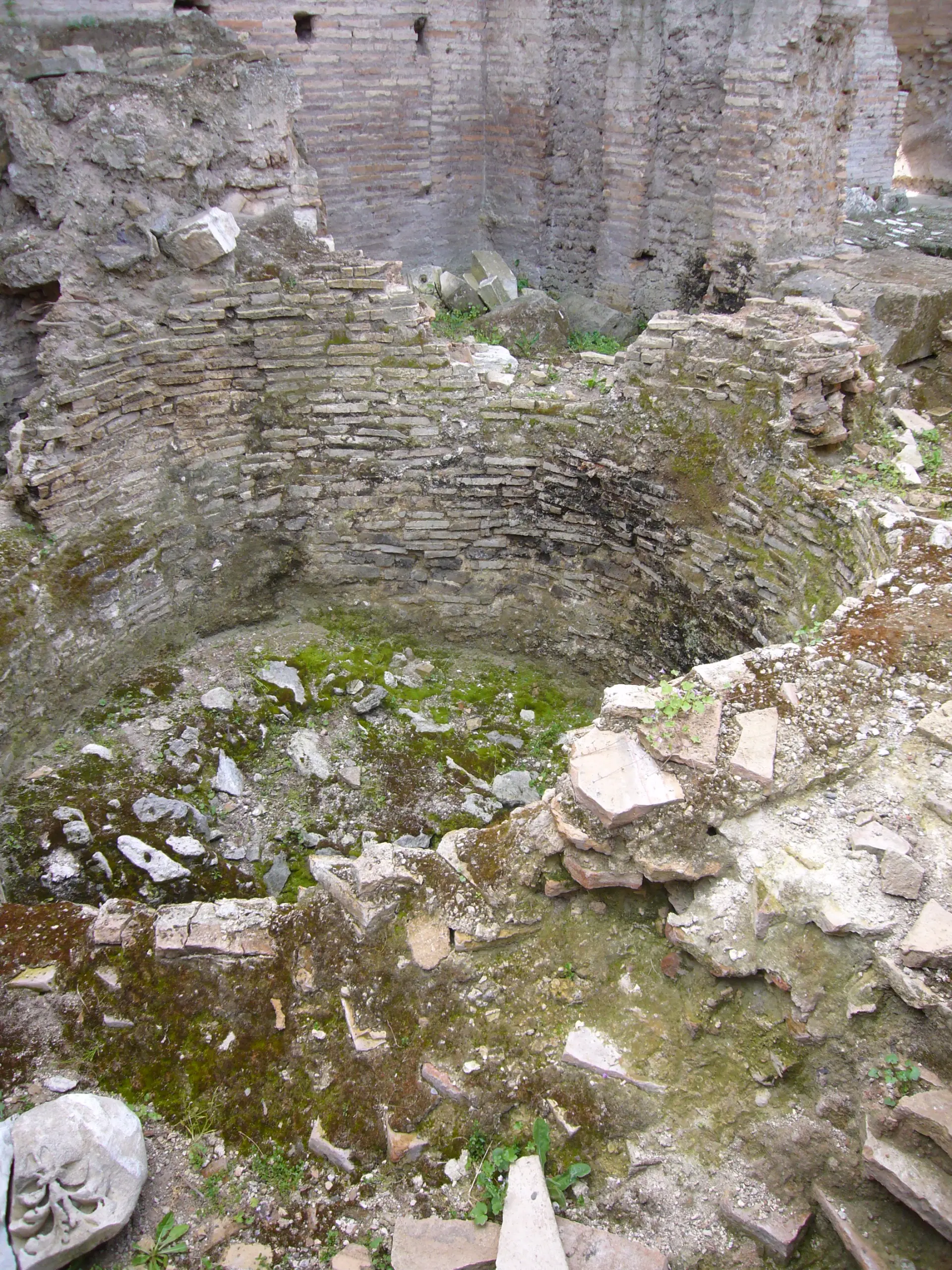
The Villa of the Quintilii stretches across 23 hectares on the outskirts of Rome. Visitors can arrive by bus 118 from the Via Appia Nuova, or enter from Via Appia Antica 251. From the famous Appian Way, parts of the villa are visible around the 5th mile, just beyond number 251.
This grand villa was originally built by two wealthy brothers, Maximus and Condinus Quintilii. The story took a dramatic turn in 182 AD, when the Roman emperor Commodus was so impressed by the villa that he ordered the brothers' execution and claimed the property as his own.
Today, visitors can explore several well-preserved parts of the estate. A dedicated museum showcases original friezes and sculptures discovered on the site. The villa also contains remarkable remains, such as the nymphaeum—a decorative fountain area—the tepidarium, which was a warm room in the ancient baths, and other bathing facilities open for viewing.
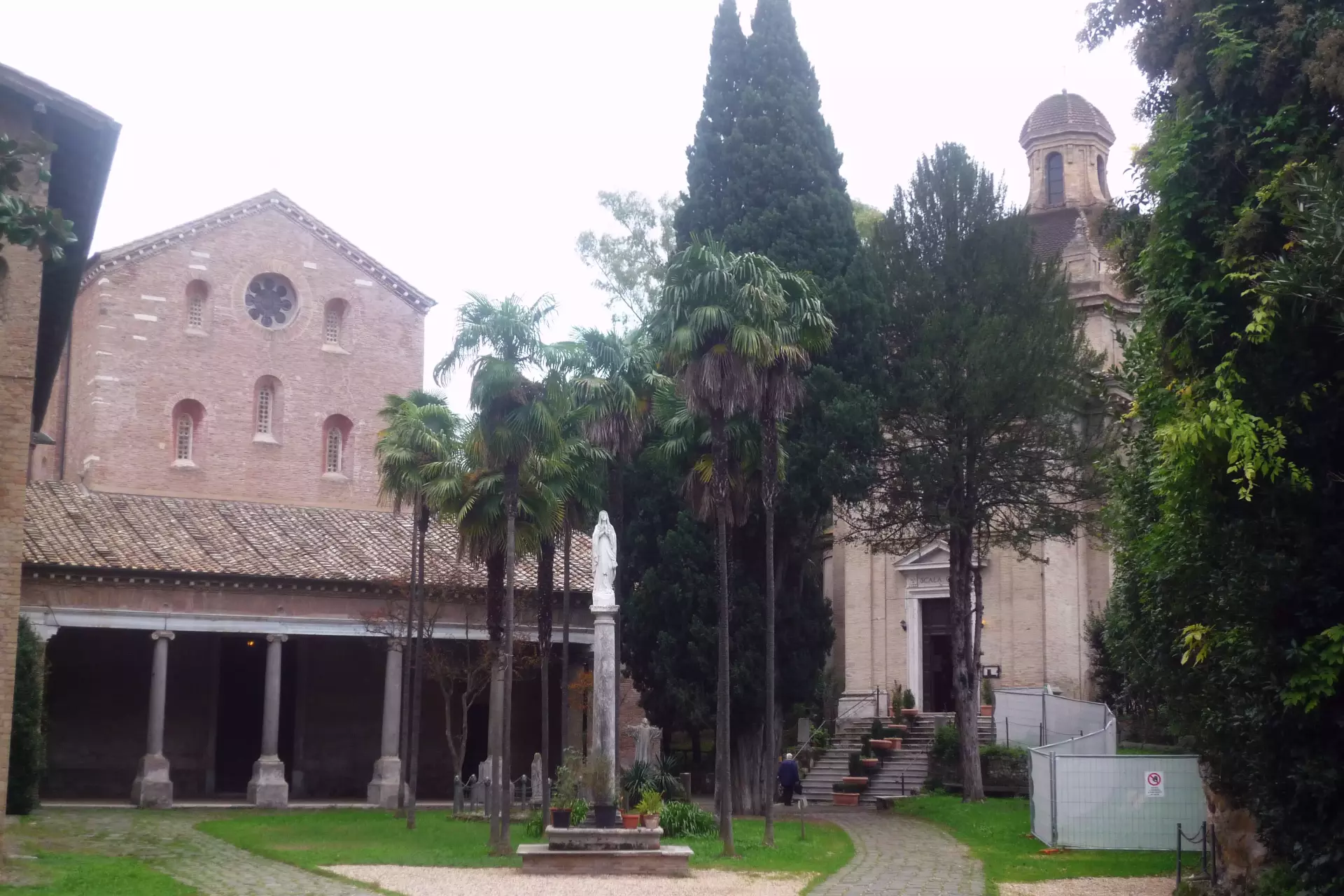
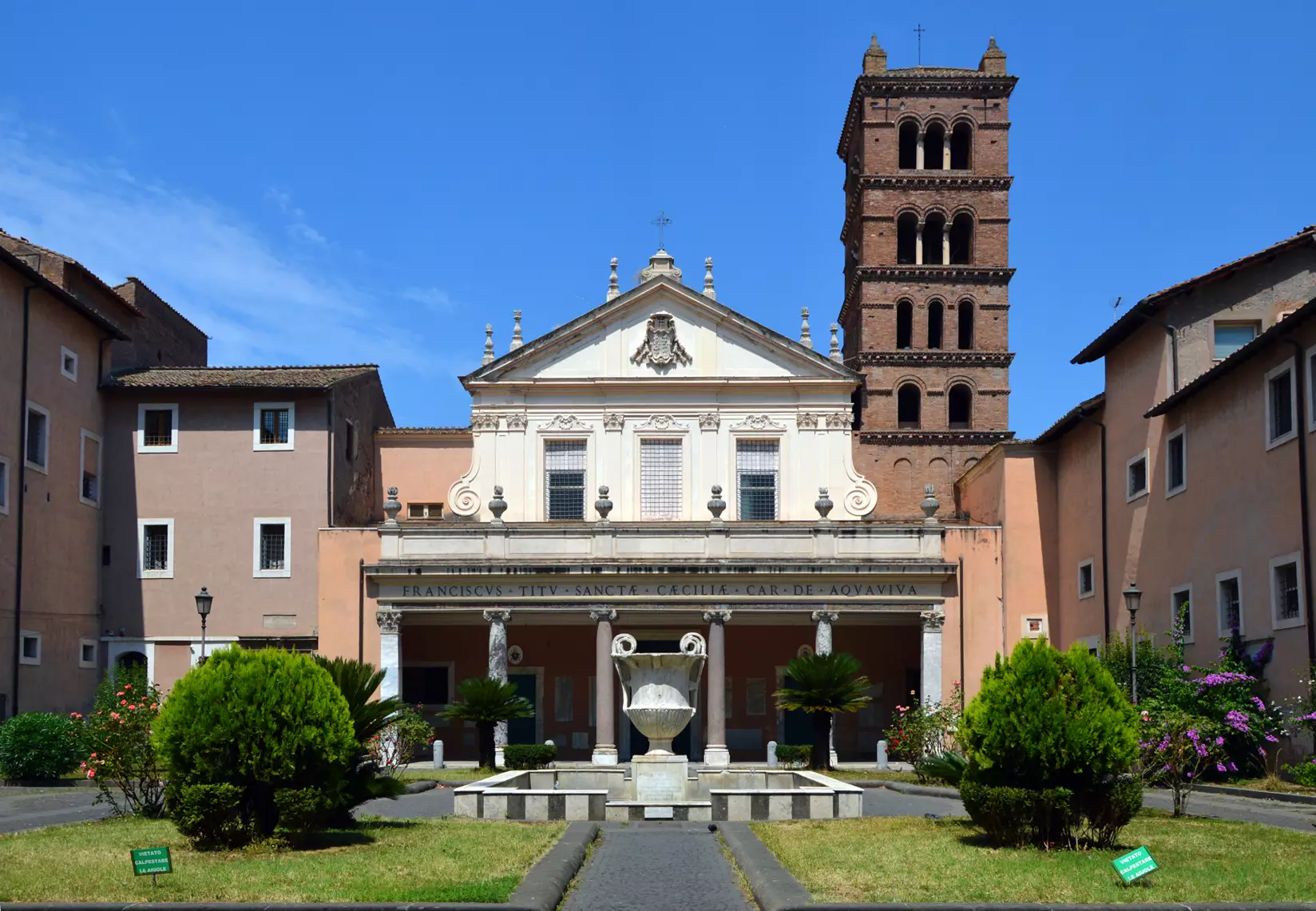
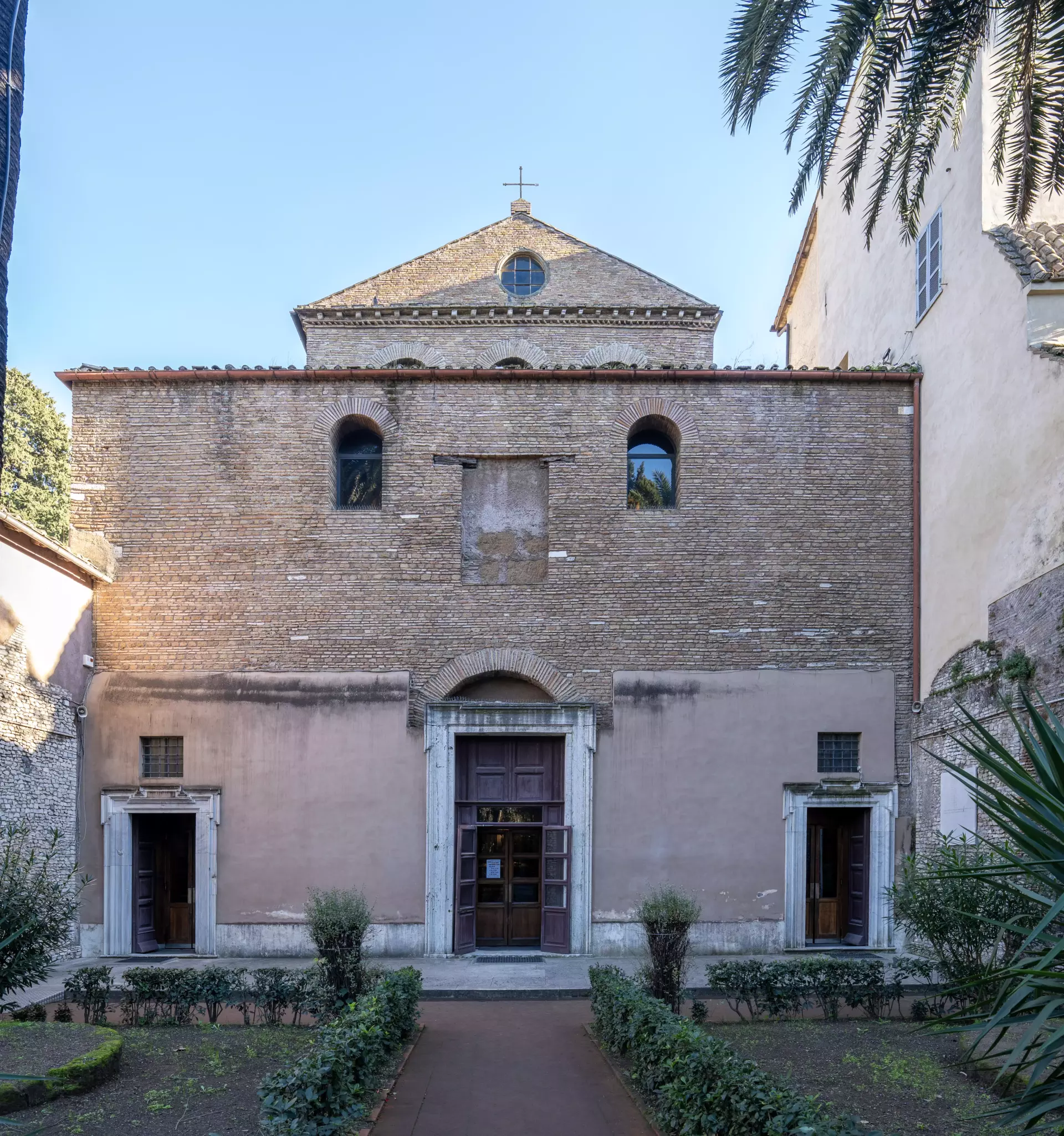
At Via Appia Antica 251 stands Santa Maria Nova, a building with a rich history. It began as a Roman cistern, likely supplying water to the Villa of the Quintilii. Over centuries, it evolved into a farmhouse and served different roles through time, marking another layer of history beside the villa’s ancient foundations.
Source - https://en.wikipedia.org/wiki/Villa_of_the_Quintilii
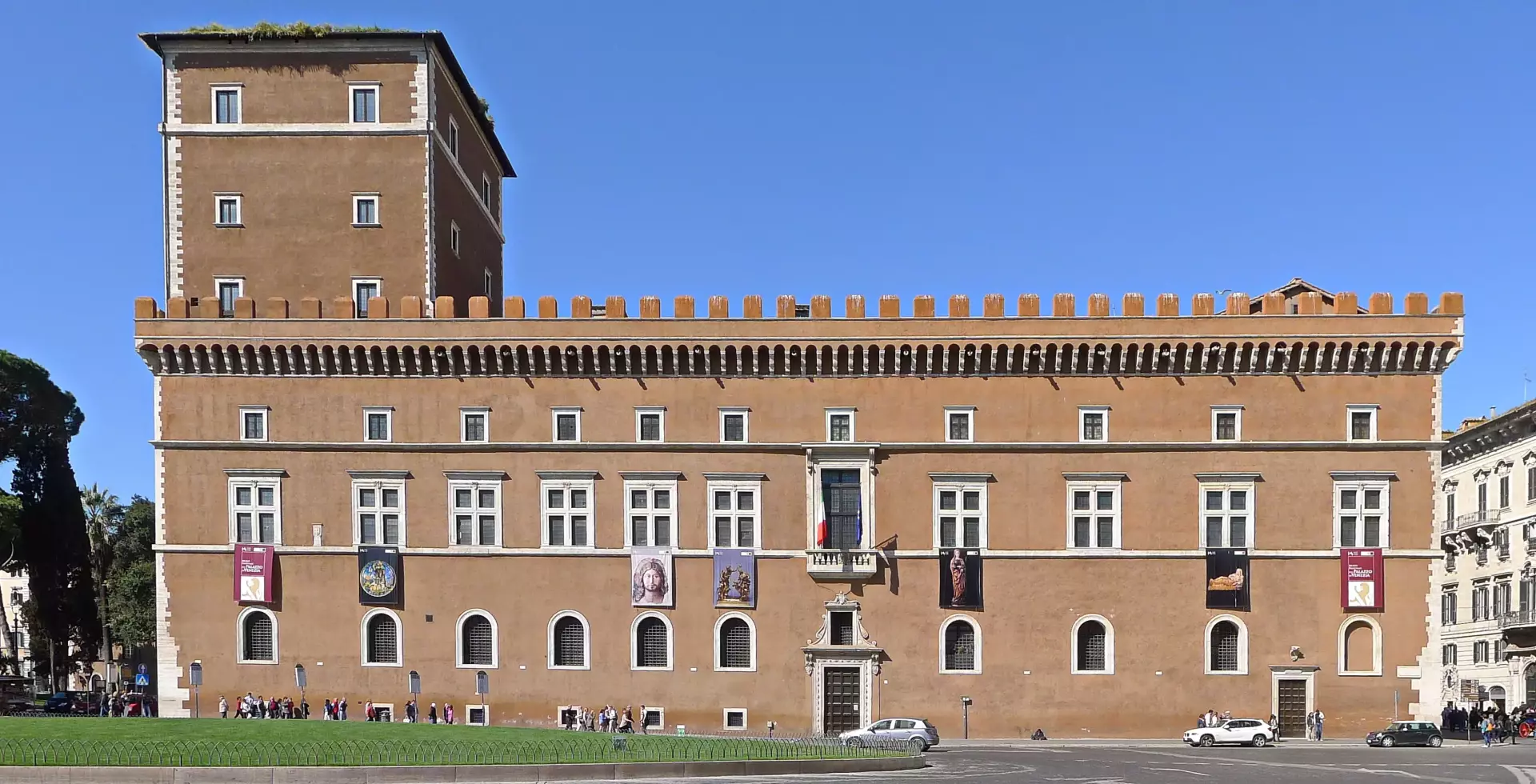
More of an enormous traffic circle than a piazza, but a good central location. The centerpiece is the enormous Vittorio Emanuele Monument (aka the Wedding Cake or the Typewriter) with the Capitoline hill next door. Mussolini used to harangue Romans from the first floor balcony of Palazzo Venezia (see under Museums), to the west of the square.
On top of the Capitoline hill. The piazza was designed by Michelangelo. The Capitoline Museum is housed in the palaces flanking the piazza. You can walk behind the Palazzo Senatorio, where Rome's government meets, to a wonderful viewpoint which overlooks the entire Roman Forum. In the centre of the square you can admire an exact copy of the Statue of Marcus Aurelius on horseback; the original is kept in one of the two museums, to preserve it from pollution.
Perhaps most famous for a large model of imperial Rome, but also has a large display of various aspects of ancient Rome, using plaster casts, models and reconstructions of works found in museums throughout the world.
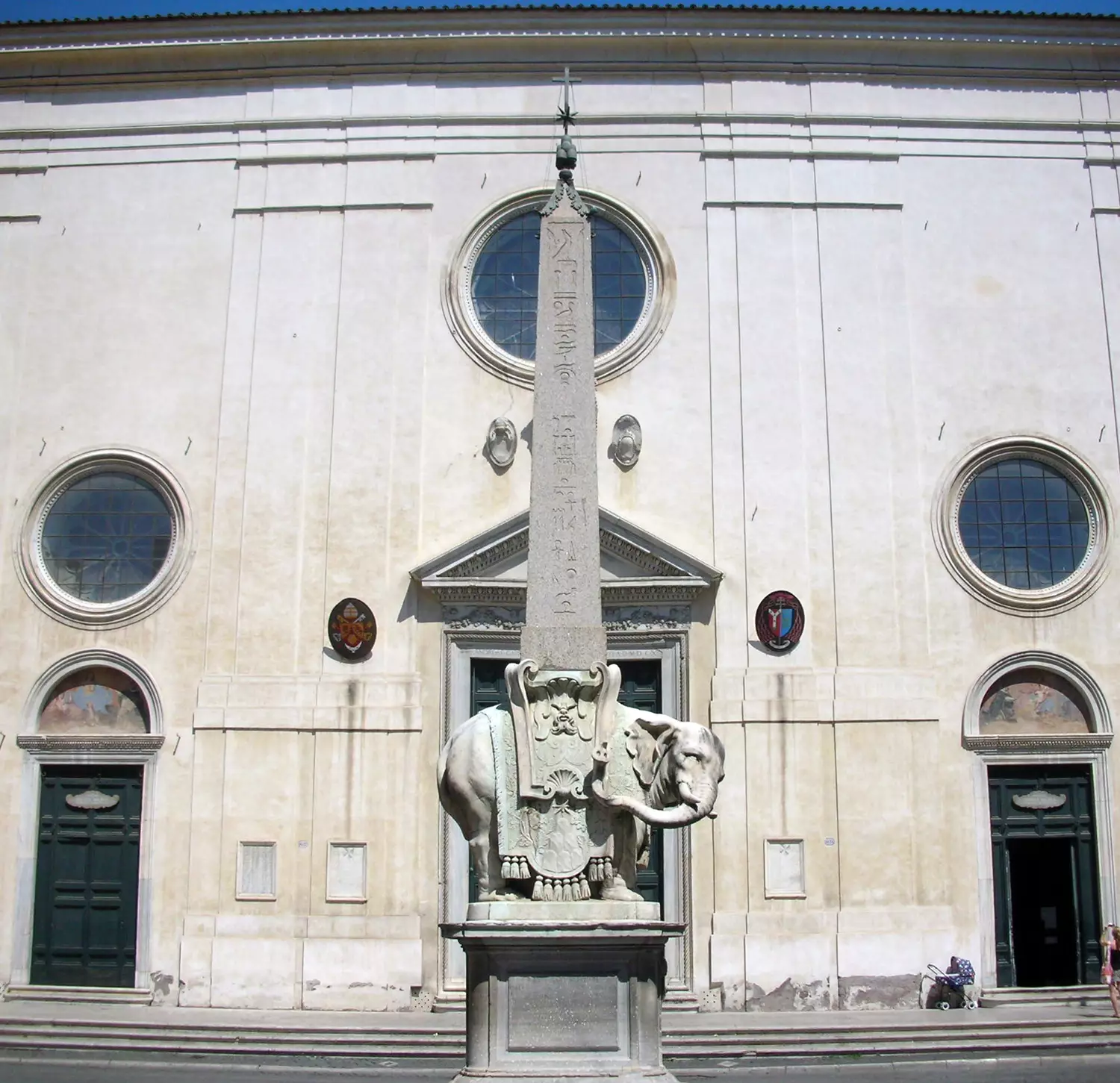
One of Bernini's masterpieces, an obelisk on the back of an elephant.
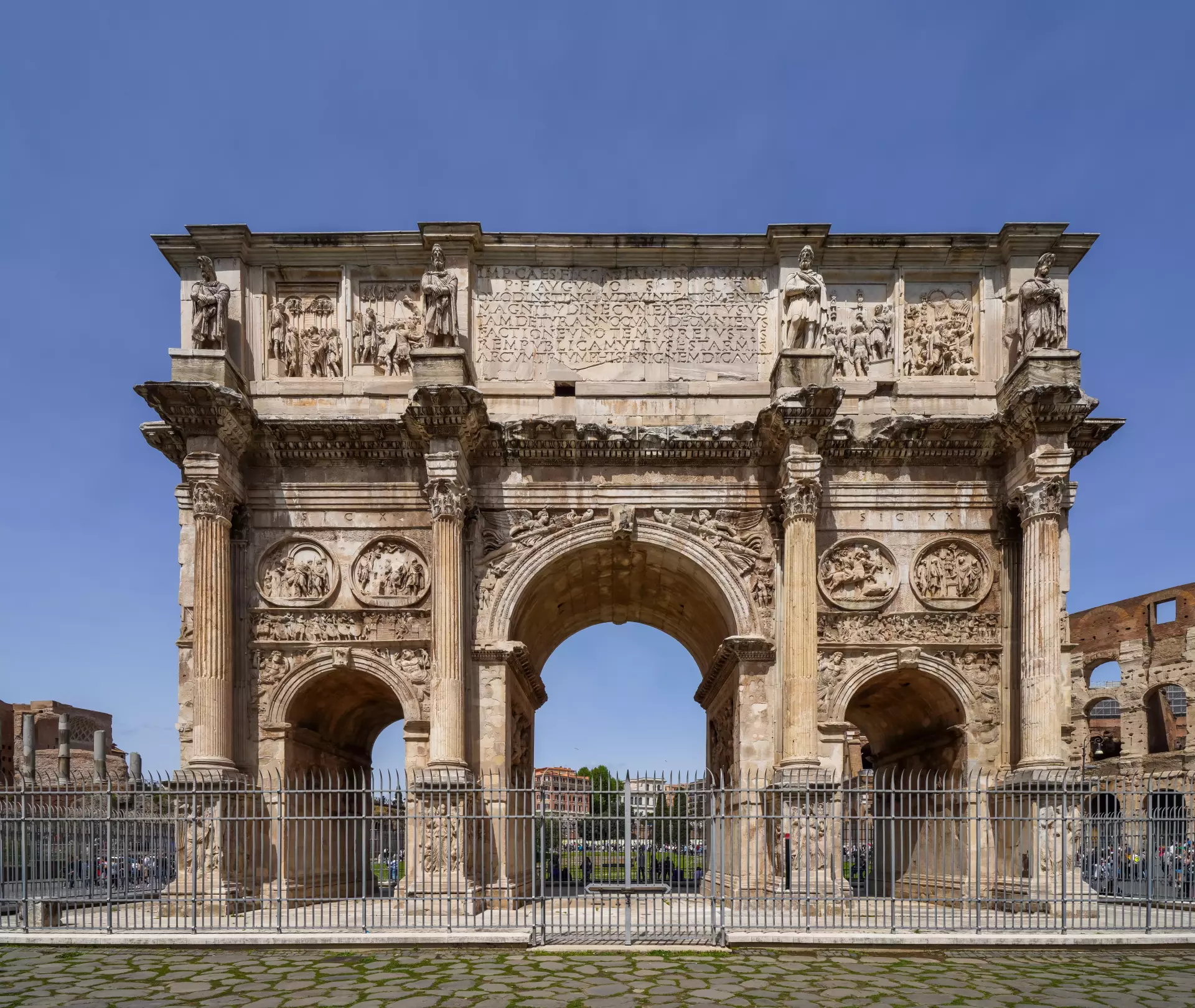
Located a short walk west of the Colosseum, this well-preserved monumental arch was erected (soon after 315) to commemorate the victory of Constantine, the first Christian emperor, over his rival Maxentius at the Battle of the Milvian Bridge in 312. In general design, the Arch of Constantine imitates the century-earlier Arch of Septimius Severus (nearby in the Forum). The three arches are decorated utilizing mainly materials plundered from other imperial monuments by Trajan, Hadrian and Marcus Aurelius. The quality of its sculptural decoration, however, betrays the slow degradation that Classical Roman sculpture had experienced in the 3rd century AD.
Between the Pantheon and Via del Corso. A stunning example of Baroque art. The ceiling frescoes are especially fine, including a trompe l'oeil dome by the master Andrea Pozzo.
Contains the tomb of Pope Hadrian IV, the last non-Italian pope before Pope John Paul I.
Next door to the Pyramid, this fine gate in the Aurelian Wall is named after St. Paul as the Via Ostiense leads to the basilica of St. Paul's Outside the Walls (see Rome/South).
The mausoleum of Cecilia Metella, who died in 69 BC, is the best preserved monument on the Appian Way and dominates the surroundings. In the Middle Ages it was transformed into a fortress and battlements were added. At that time there was considerable competition for ownership because of its strategic location.
The temple of the Emperor Hadrian was consecrated in 145 AD by Emperor Antoninus Pius. The remains of the antique temple were incorporated into a new building that served as the Papal Customs House. It was finished around 1690 and today accommodates the Stock Exchange (Borsa).
Perhaps the most fascinating building in Rome. The core of the structure began life as the mausoleum of Emperor Hadrian, built between 135 and 139 AD. Subsequent strongholds built on top of the mausoleum were in turn incorporated into a residence and castle by medieval Popes. The building was used as a prison until 1870 but now houses a museum. Opera buffs will be exhilarated to visit the balcony from which Tosca leaps to her death. Film buffs will recognise it as a setting from Angels and Demons.
Home of the President of the Italian Republic, and the Quirinal Gardens. Built in 1573 as a papal summer residence, and has since also served as the residence for the pope and later for the king of Italy.
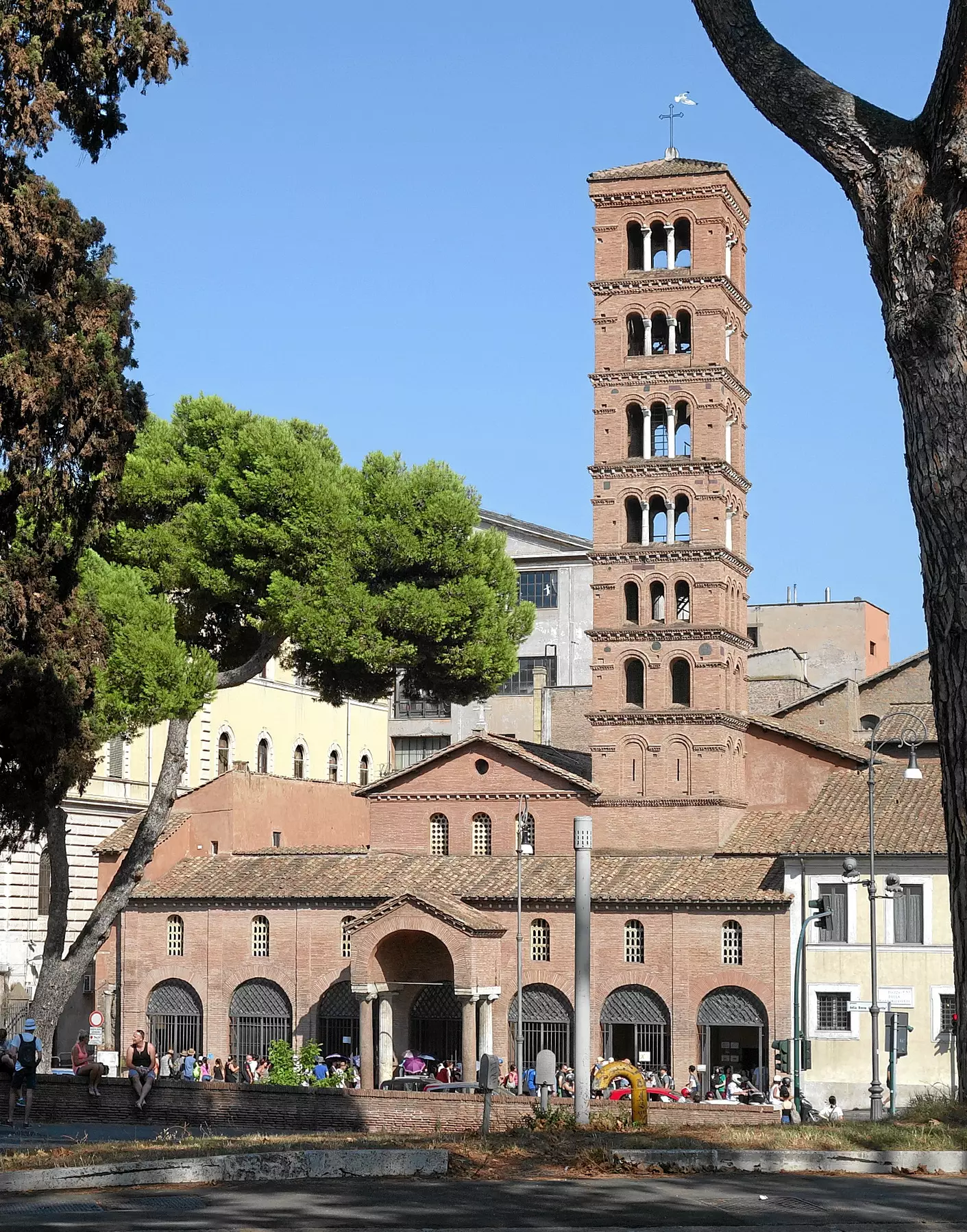
In addition to Santa Maria in Cosmedin there is a lot to be seen around this piazza. Opposite the church is the round temple dedicated to Hercules Invictus (the Unconquered Hercules), and not far from that the rectangular Fortuna Virilis, both constructed in the 1st Century. Opposite, to the back of the piazza is the Arch of Argentari and behind that the church of San Giorgio in Velabro, the front of which was repaired after being damaged by a terrorist bomb in July 1993.
Church built on the site of three Roman pagan temples, which can be explored underground for a small fee paid at a desk near the church entrance.