Akazien- and Goltzstraße offer a lively stretch of places to eat and drink, with an easy, local feel. Restaurants line the streets, serving a wide mix of cuisines — from Afghan to Nepalese and Thai — and prices are generally lower than in Berlin’s main tourist areas.
Around Eisenacher Straße, the extension of Goltzstraße, the scene becomes even more varied. Bars and cafés gather at street corners and down quiet side roads, many tucked into basement spaces of elegant old buildings. The area stays active into the evening, with a steady flow of neighborhood visitors and friends meeting over small plates and drinks.
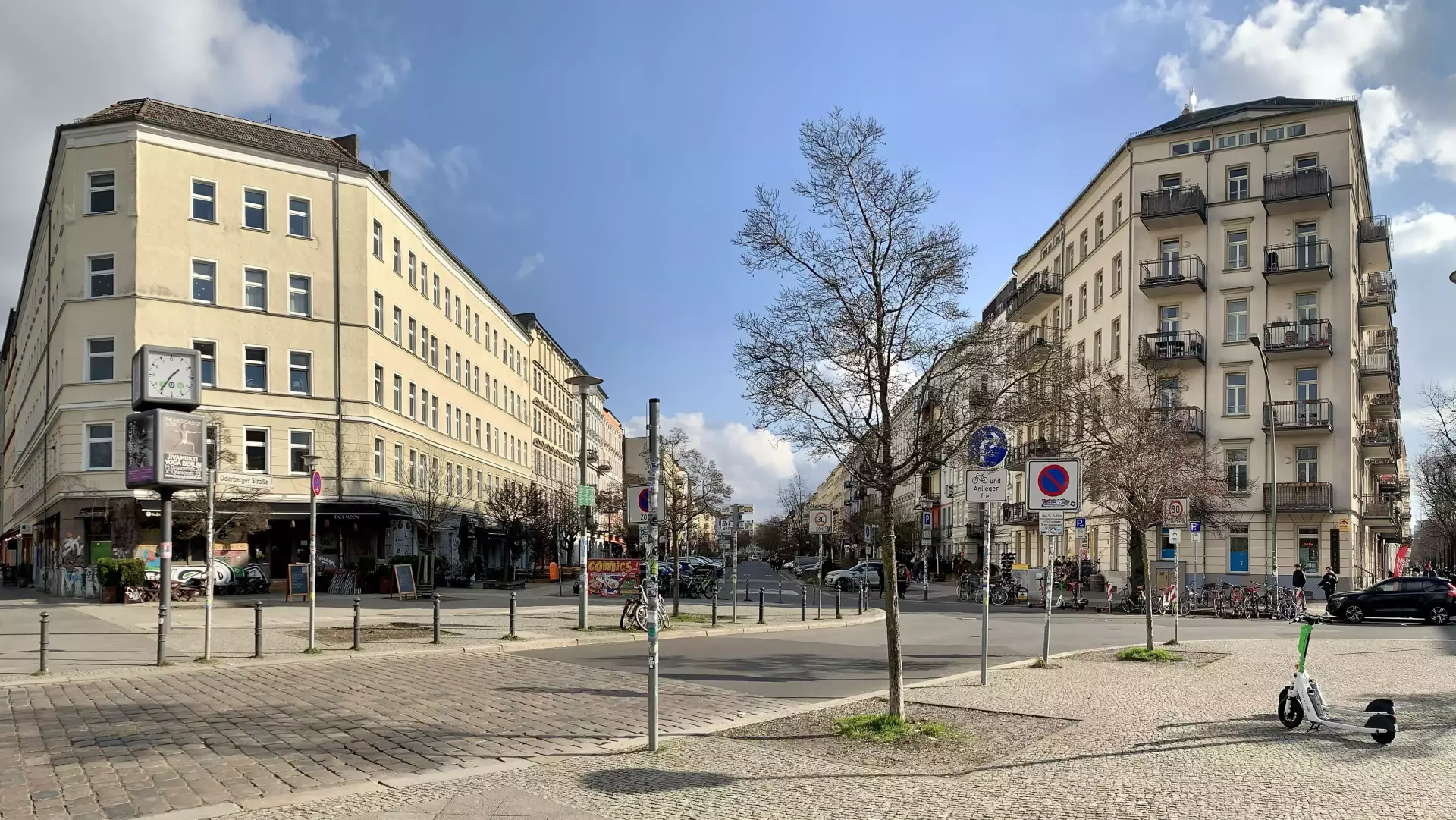
This part of Berlin was spared the worst bomb damage during World War II. As a result, the streets still show a clear picture of 19th-century architecture. Tall façades, detailed stucco, and graceful doorways frame the sidewalks, offering a look at how much of the city once appeared.
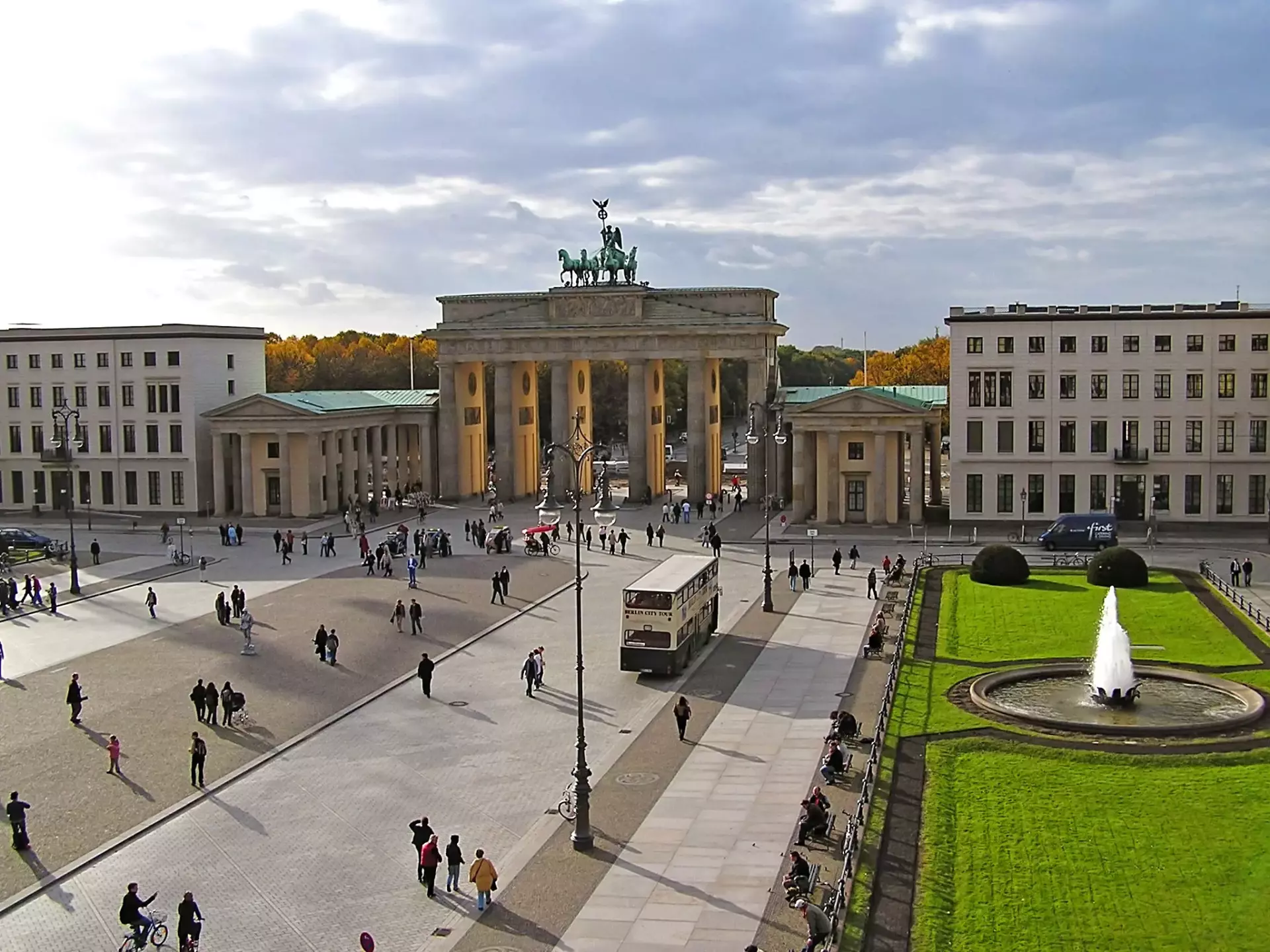
The large square in front of the Brandenburg Gate contains the French and American embassies, the rebuilt Hotel Adlon, and the new building of the Academy of Arts.
This outdoor and indoor history museum documents the terror applied by the Nazi regime. It is on the site of buildings which during the Nazi regime from 1933 to 1945 were the headquarters of the Gestapo and the SS, the principal instruments of repression during the Nazi era.
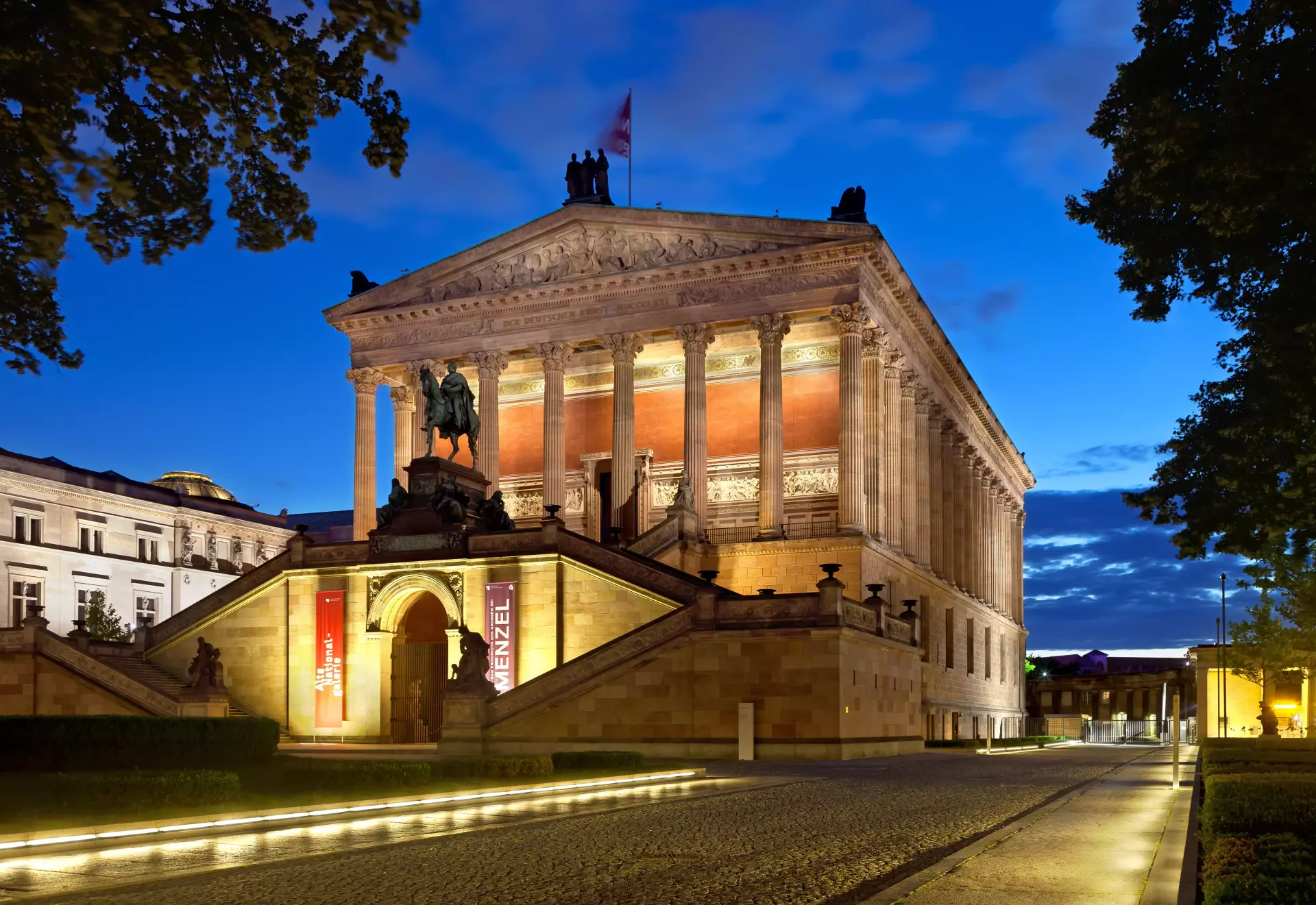
Specializes in 19th-century painting and sculpture; Monet, Manet, Cézanne, C. David Friedrich and other important 18th- and 19th-century artists are well-represented.
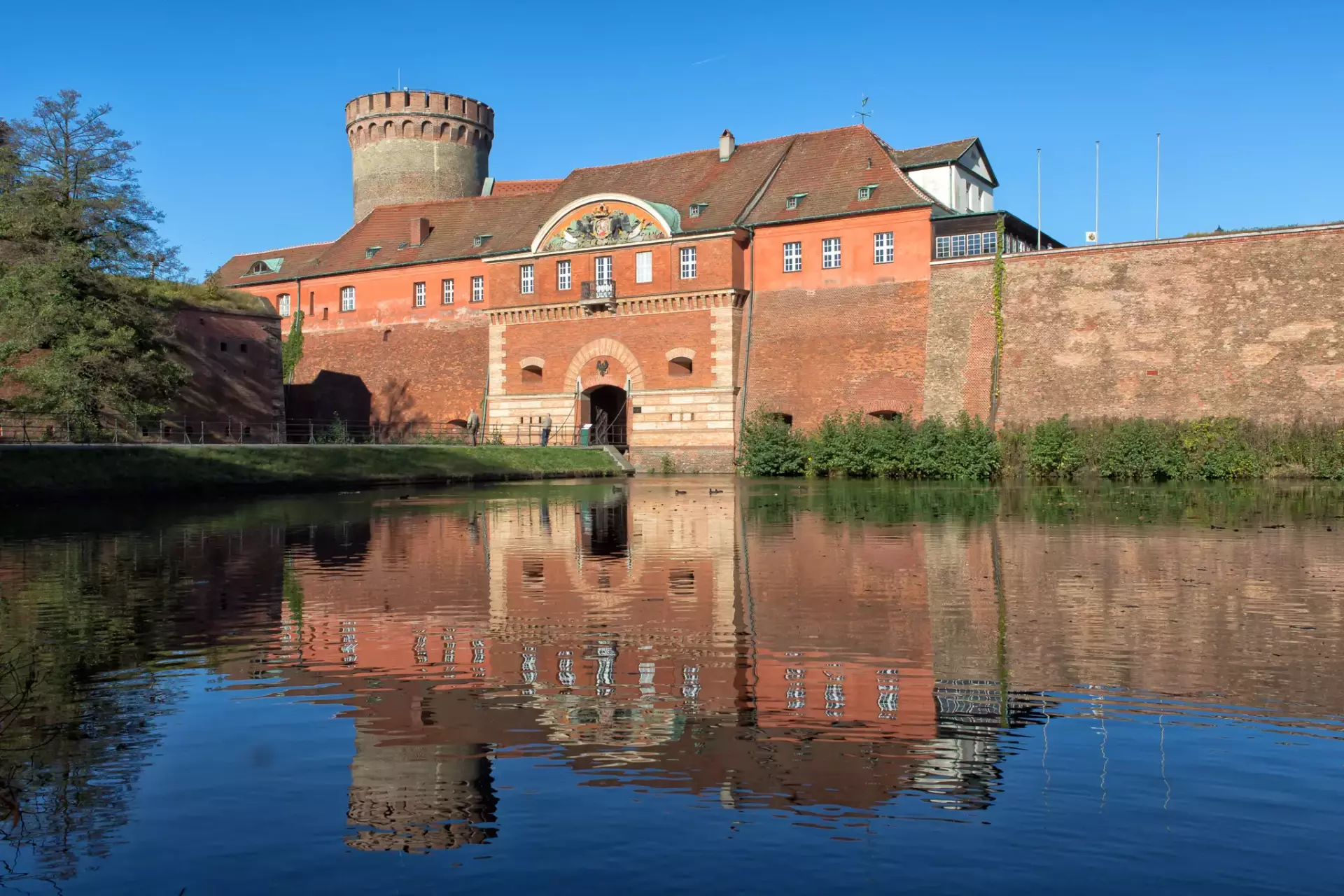
A fortress built between 1560 and 1590 to Italian design on the site of a 12th-century castle. The Juliusturm housed part of the huge indemnity (in physical gold coins) France had to pay after the war of 1870/71 until what was left of it was returned to France after Germany's loss in World War I. The term "Juliusturm" remained in usage in German for a large "rainy day fund" into the 1960s. Museums housed within the citadel cover the history of the town of Spandau, monumental public art in Berlin, and artillery.
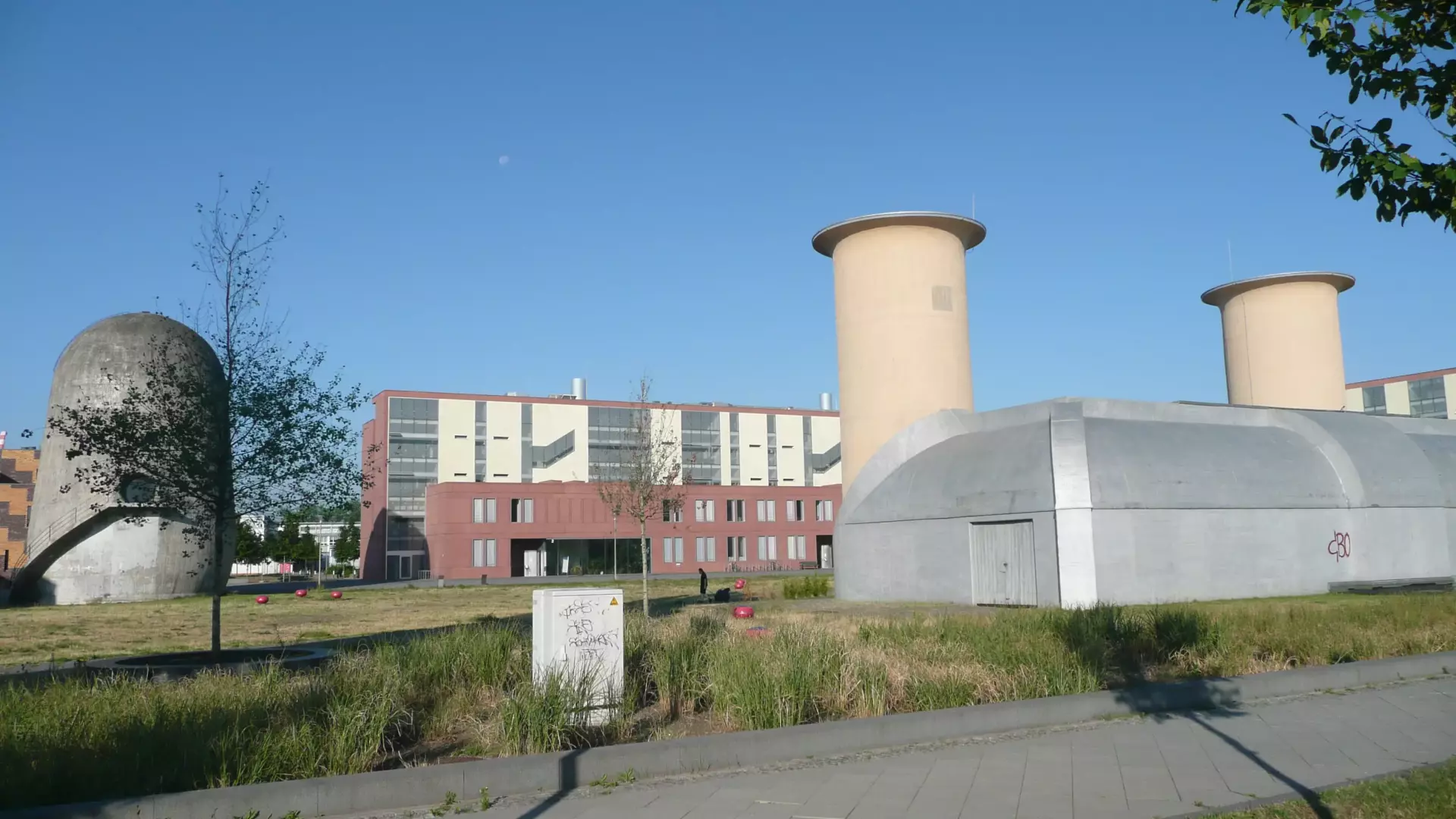
This aeronautical experimental park on the grounds of Germany's first air field Johannisthal consists of a group of several individual technical monuments such as the walkable Großer Windkanal (High-speed wind channel, 1932–34), the Trudelturm (Fatty tower), a vertical wind tunnel for spinning tests (1934–36), the Schallgedämpfter Motorenprüfstand (Sound-insulated engine test bed, 1933–35) and the Isothermische Kugellabore (Adlershofer Busen, Isothermal spheric laboratories, 1959–1961), which are about 500 metres away from the other monuments.
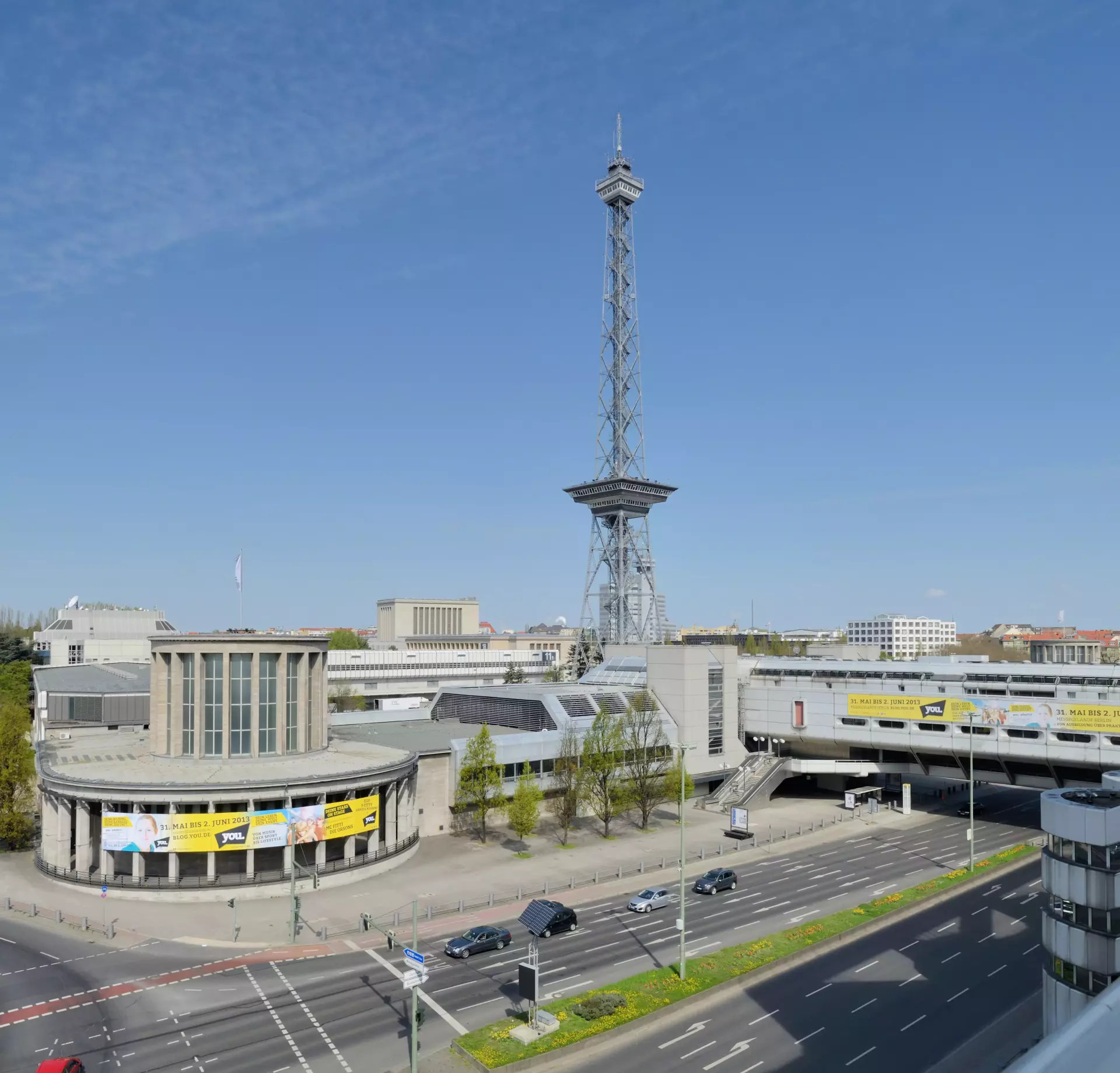
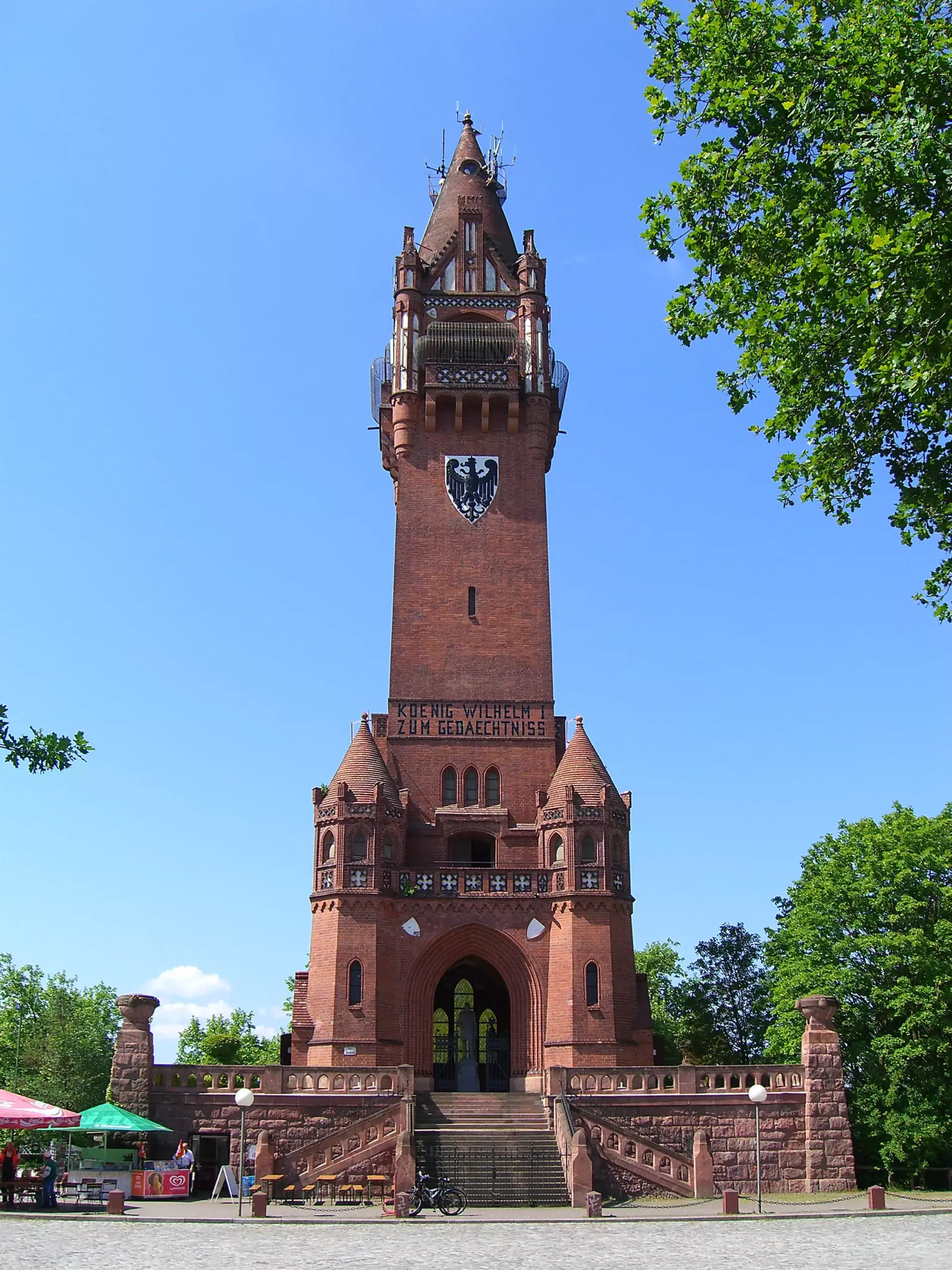
150 m high lattice tower with open-air observation deck 124 m above ground.
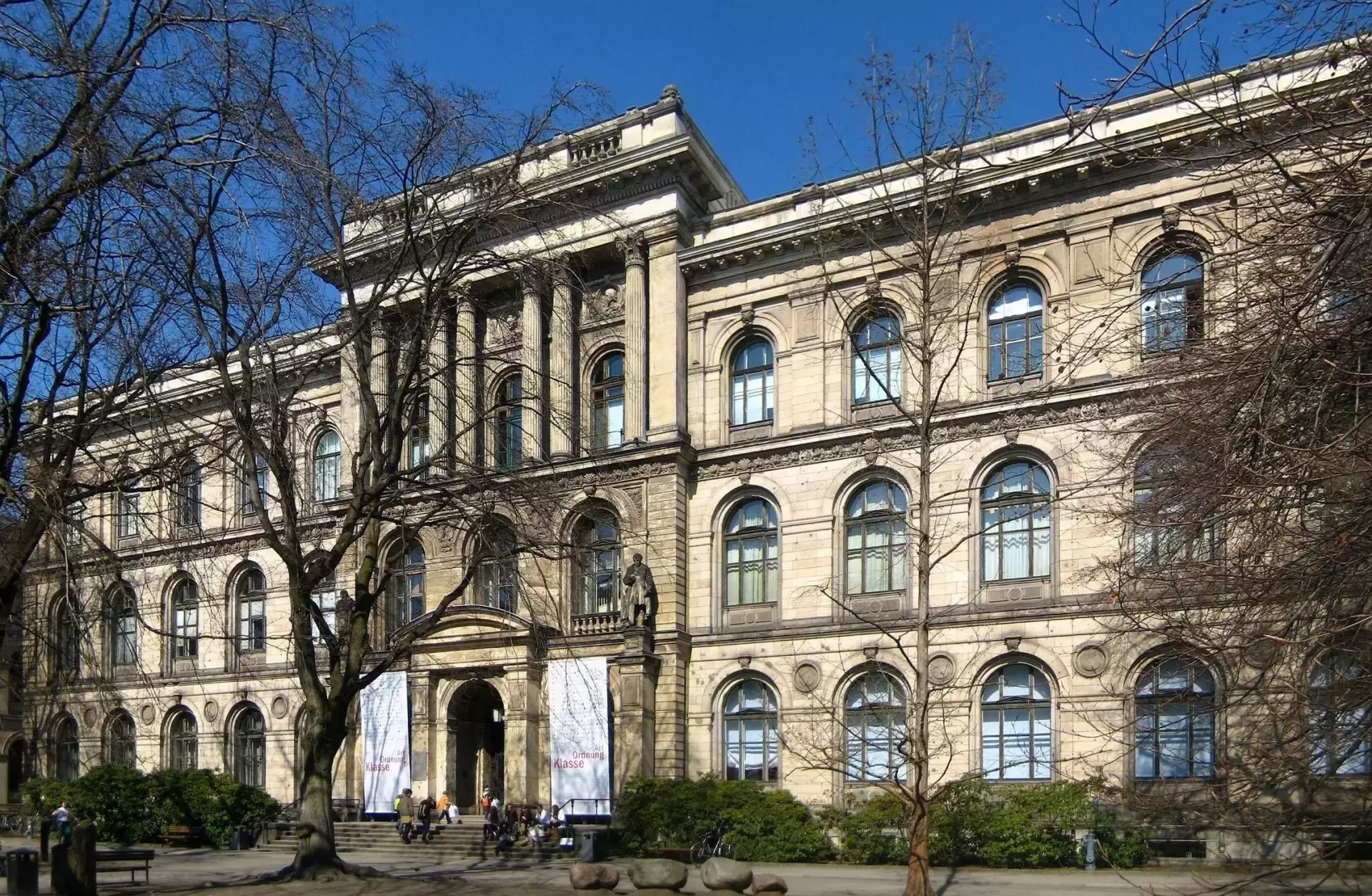
More than 30 million objects in the scientific collection and a fascinating exhibition in one of the most significant institutions of its kind in the world. Some parts still under construction.
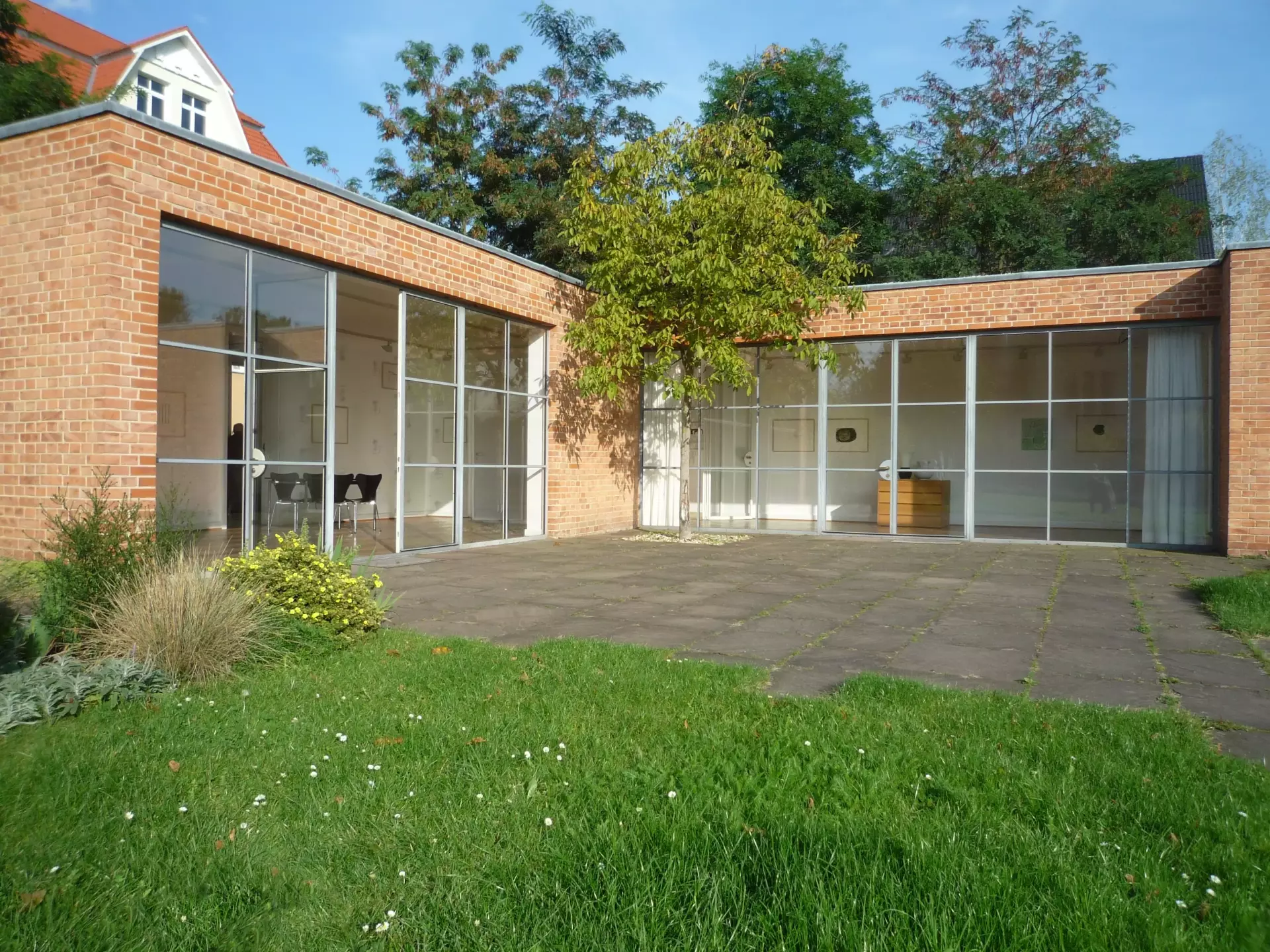
The last Mies van der Rohe building (a dwelling house) in Germany before his emigration to the U.S. (1938). Now there are small contemporary/modern art exhibitions.
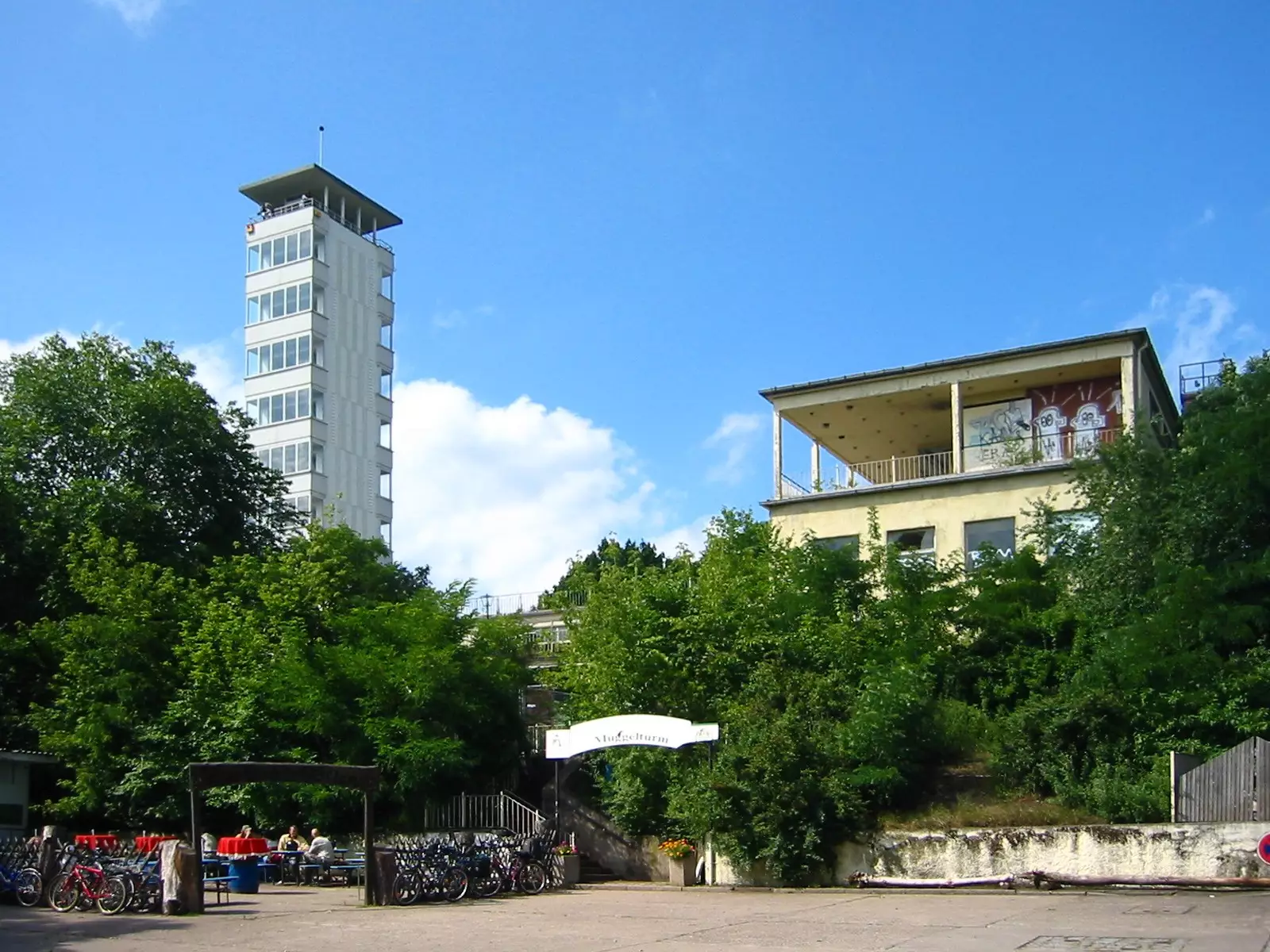
An observation tower without an elevator in Southeast Berlin, from which you can see that there is a great deal of forest around Berlin. There is a cafe at the tower.
Oderberger Straße is known for its beautiful and generous Gründerzeit architecture, as well as its cafés and restaurants. Since before Germany's reunification the street has been the desired place for alternative folks and avant-gardists, but the area has seen continual gentrification since the early 2000s.
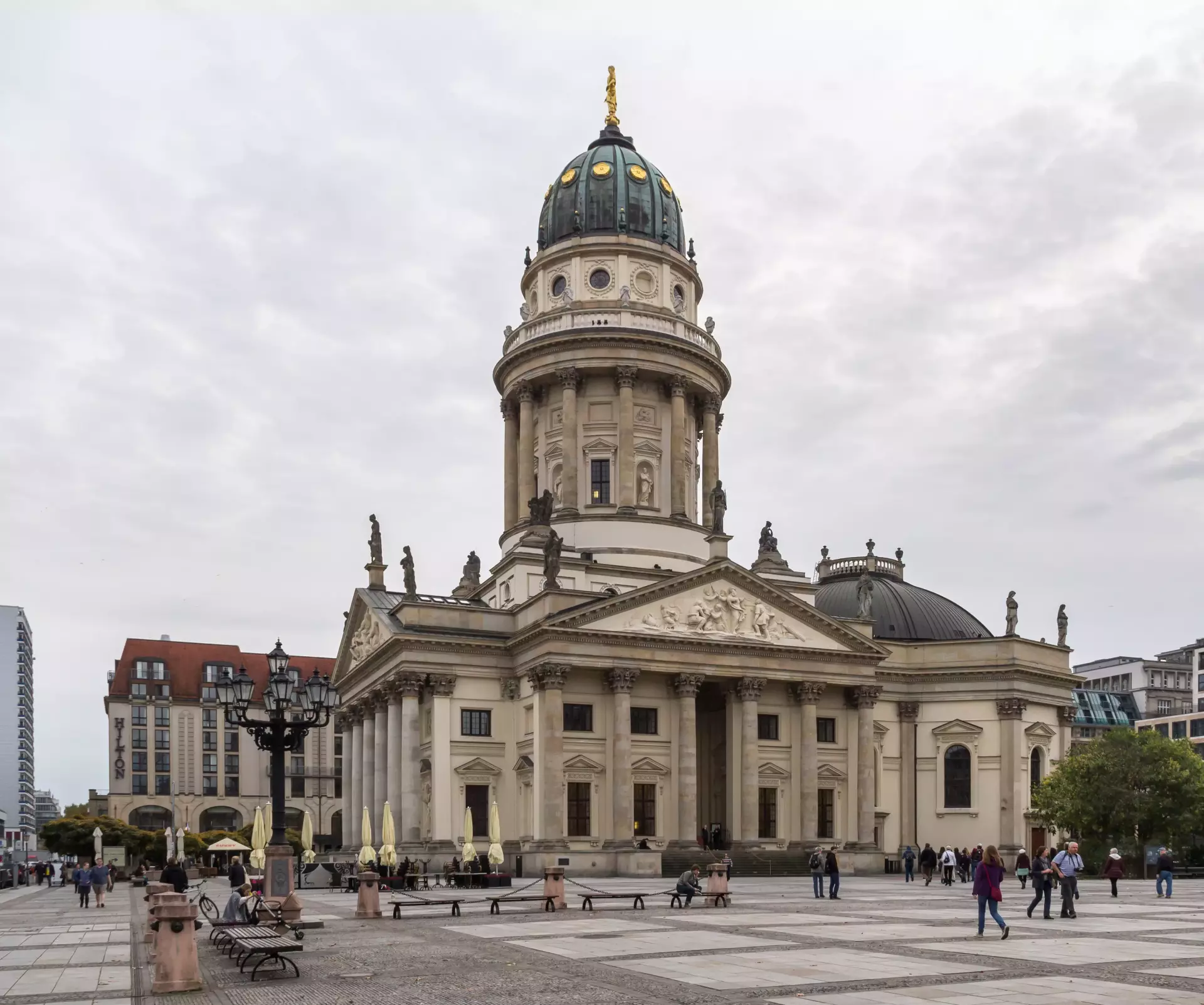
The Gendarmenmarkt is a square in the Friedrichstadt with the Konzerthaus (concert hall) and in front of the statue of Germany's poet Friedrich Schiller, the Neue Kirche (New church) and the Französischer Dom (French cathedrals). Berlin’s Deutscher Dom on the magnificent Gendarmenmarkt square is not to be confused with the Berliner Dom. It was built in 1708. Since 1992 a German Parliament exhibition can be seen here entitled “Paths, Loosing Track and Detours” or the development of parliamentary democracy in Germany – ways and roundabouts. No religious services are held here. The French cathedral houses the Hugenottenmuseum. It represents the ongoing influence on Berlin by the Huguenots who emigrated from France after the revocation of the Edict of Nantes. Crown Prince Friedrich William encouraged them to settle here because most of them were skilled workers or otherwise useful to the kingdom. One memorable artwork, in room nine of the museum, pictures Crown Princess Dorothea exclaiming "But he's a refugee!" upon being presented a very valuable set of jewels by Pierre Fromery. The generally agreed-upon view of refugees as poor, without resources let alone diamonds, was blown apart by the talented French Protestants forced to leave their country due to religion. One of the most notable effects of having such a large French population was their influence on the infamous Berlin dialect. Berlinerisch words such as Kinkerlitzchen (from French "quincaillerie" - kitchen equipment) and Muckefuck (from French "mocca faux" - artificial coffee, though that etymology is not universally accepted) are unique to the area. The Französischen Dom (cathedral) itself was built to resemble the main church of the Huguenots in Charenton, France, destroyed in 1688. It has housed the museum since 1929. Closed till 2019
Again one of the world's most comprehensive ones. At the museum district of Dahlem.
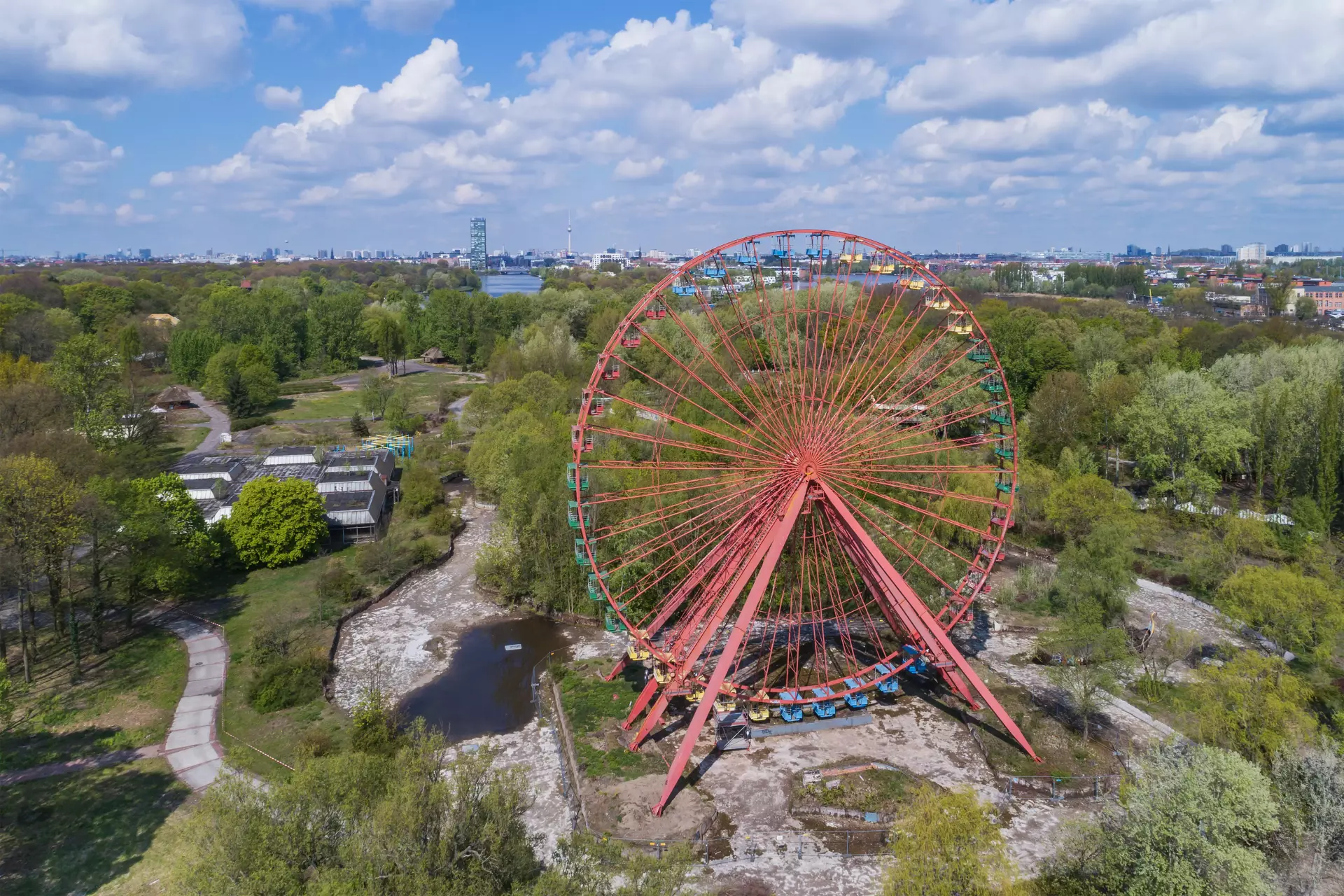
This abandoned amusement park with its iconic large Ferris wheel opened in the German Democratic Republic in 1969. After its closing in 2002 the rotting theme park and its apocalyptic atmosphere became a target of international media coverage, amongst others by the New York Times. In 2016 it was announced that the venue will be restored and reopened as an art and culture park.