Below the busy streets of Berlin lies a network of tunnels, shelters, and vast concrete spaces that tell the city’s story of conflict and survival. Guided tours lead visitors through World War II bunkers, towering flak tower remains, and Cold War civil defense shelters, revealing a hidden layer of history beneath the modern capital.
These underground bunkers were built to shield civilians during air raids. Many rooms still show original wall markings, emergency instructions, and traces of daily life in wartime. Guides explain how the spaces were organized, how people sought protection, and how the infrastructure functioned under pressure.
Flak towers were massive anti-aircraft structures designed to defend the city from bombers. While most towers were partly demolished after the war, their remains and associated underground areas reveal the scale of Berlin’s wartime defenses. Tours often focus on engineering details, the role of the towers in the air war, and their impact on the urban landscape.
With the city at the frontline of East and West, Berlin expanded its network of civil defense shelters during the Cold War. These sites illustrate how emergency plans evolved, from filtration systems and blast doors to provisions meant to support large numbers of people. Exhibits and explanations shed light on everyday preparedness in an era of tension.
Visitors typically walk through dim corridors and compact rooms while guides share historical context and personal stories collected over decades. Lighting is low, temperatures are cool, and some areas have uneven floors, adding to the atmosphere of authenticity. Photography rules vary by site, and access may depend on safety and preservation needs.
Tours run at scheduled times and often require advance booking. Some are offered in multiple languages, and routes can change depending on restoration work. Comfortable shoes and warm layers are recommended for the underground climate. Meeting points are usually near central U-Bahn stations, making the sites easy to reach.
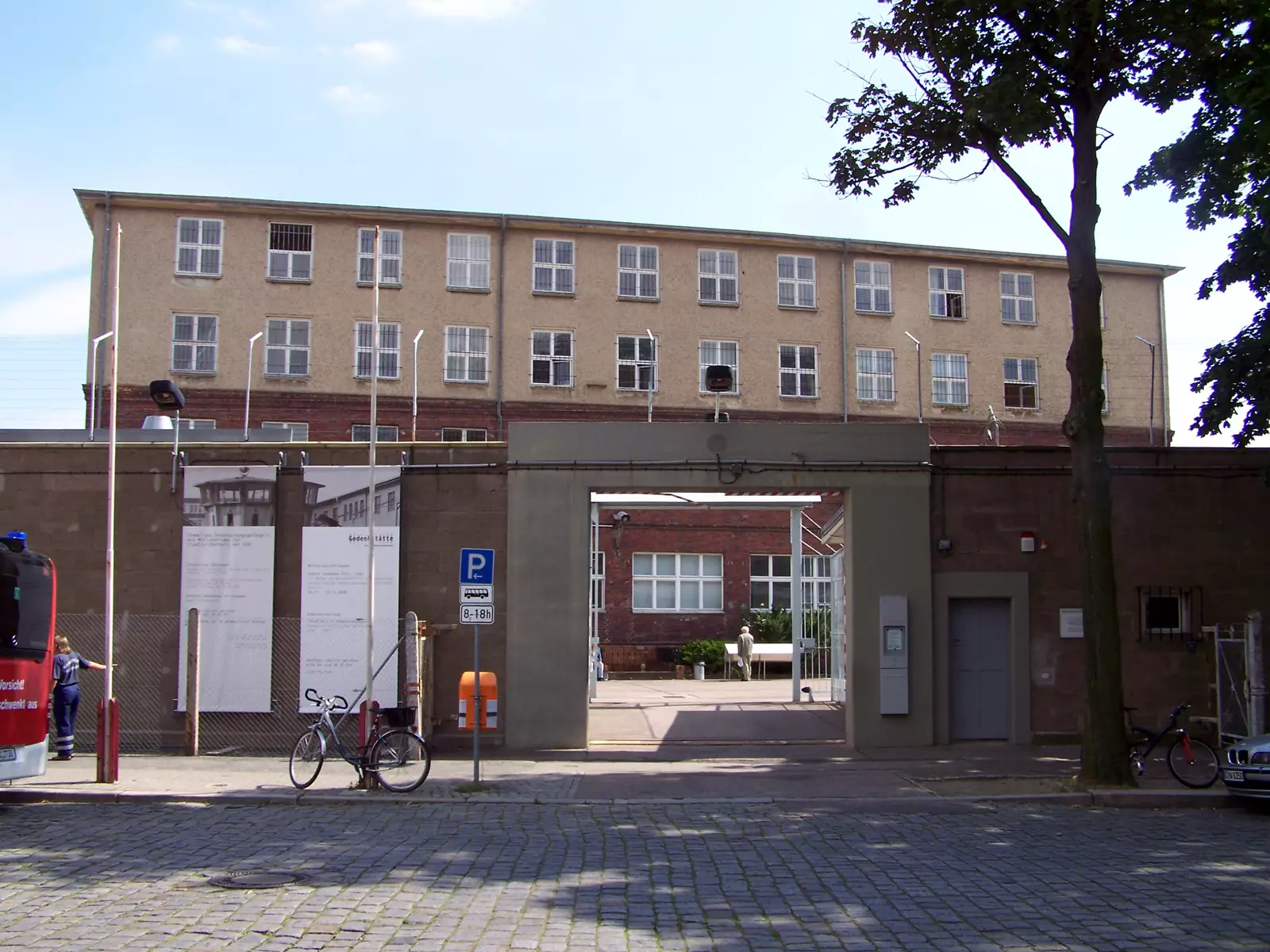
Experience the Stasi Secret Police Prison first-hand. Tours are compulsory. Some of the tours are done by former inmates.
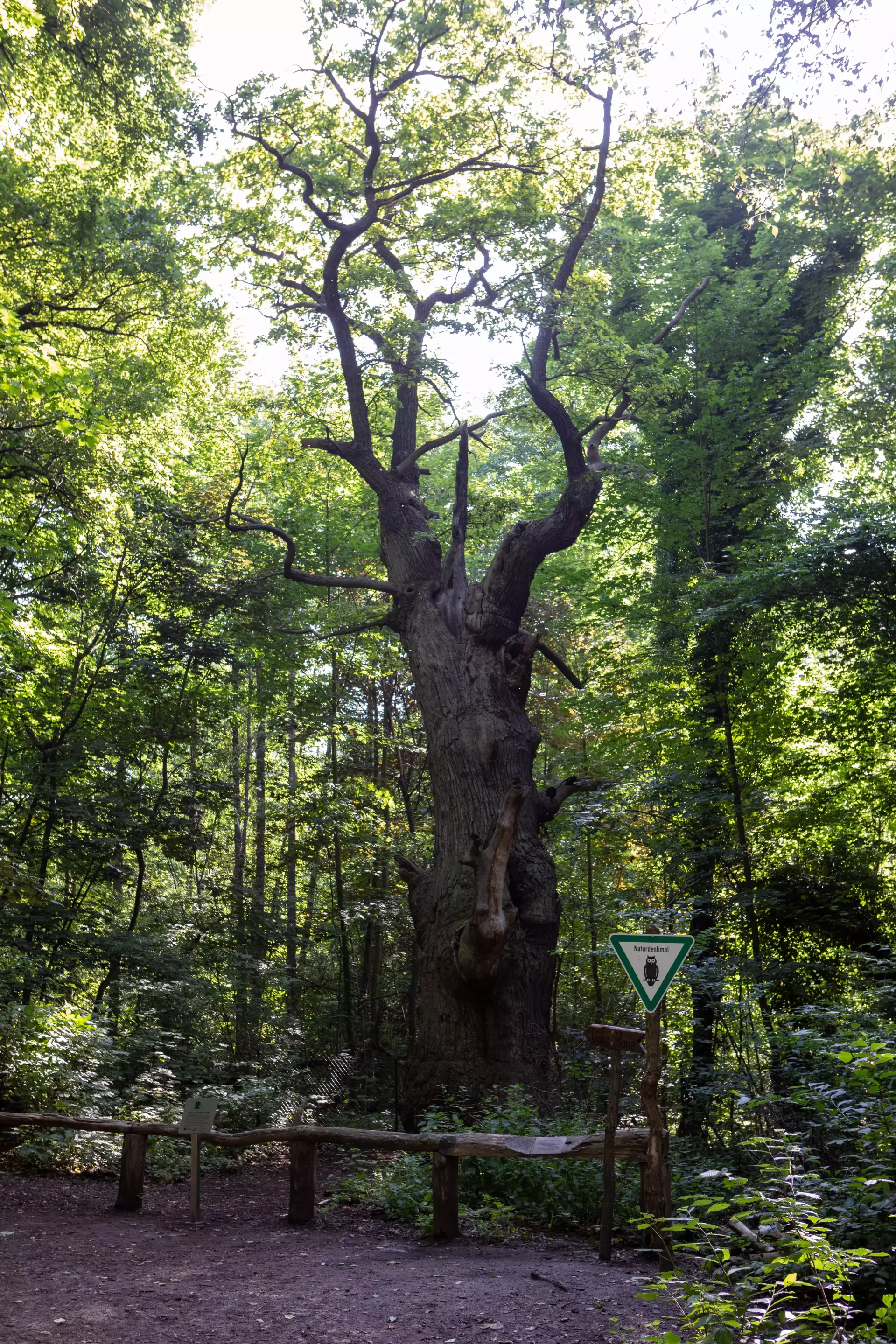
Not far away from Schloss Tegel (at the "große Malche") you can take a look at the oldest tree in Berlin, an oak which has been growing there since about 1192 (so it's actually older than Berlin itself). The name ("fat Mary") allegedly stems from the brother Humboldt who named the tree after their overweight cook.
This heritage-protected public bathing beach which opened in 1907 is one of the largest inland lidos in Europe and has a 1275-m-long sand beach, a capacity for up to 30,000 guests and a popular nudist area.
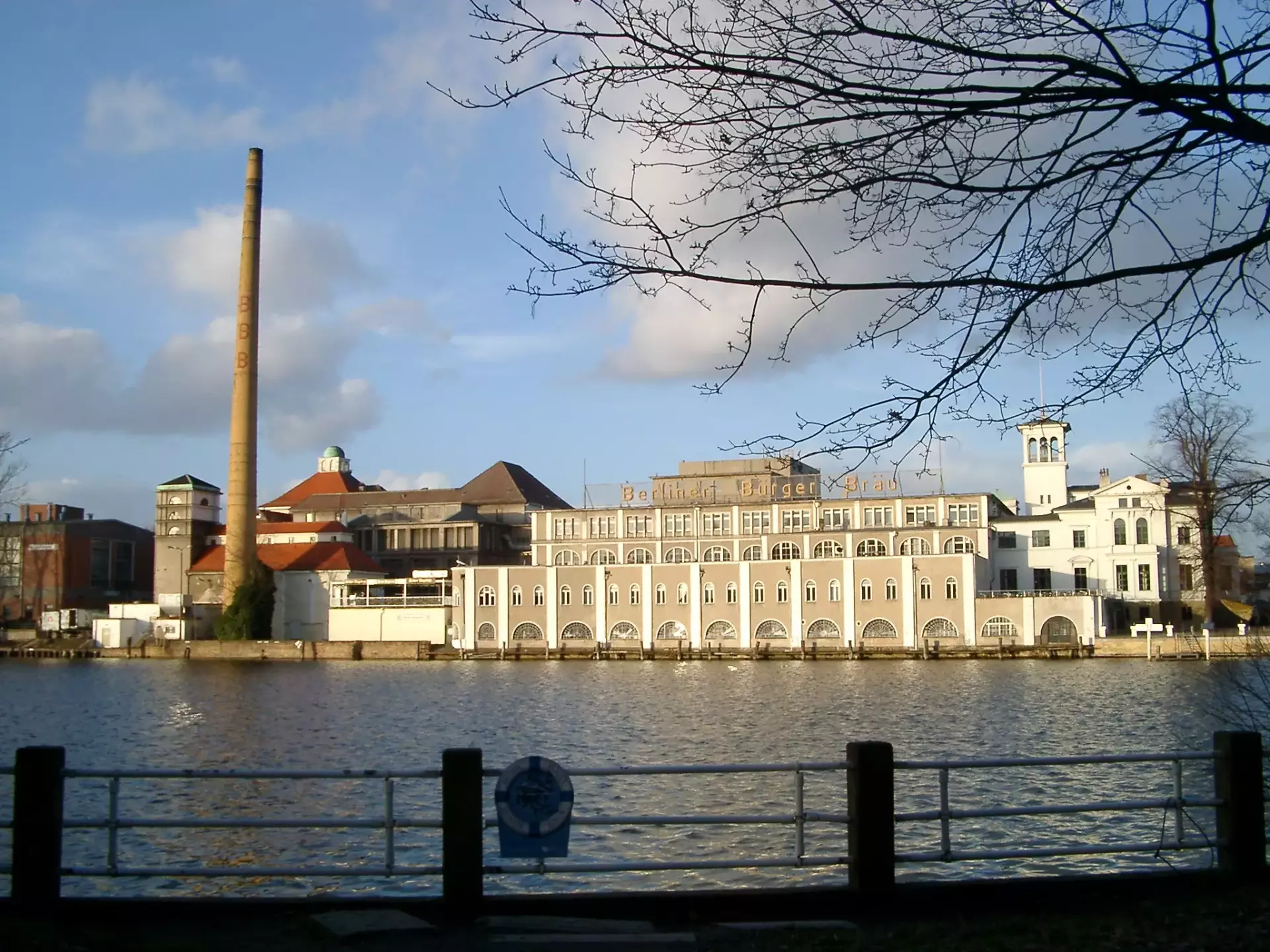
The building of one of Berlin’s oldest breweries is a ravishingly beautiful and heritage-protected industrial monument.
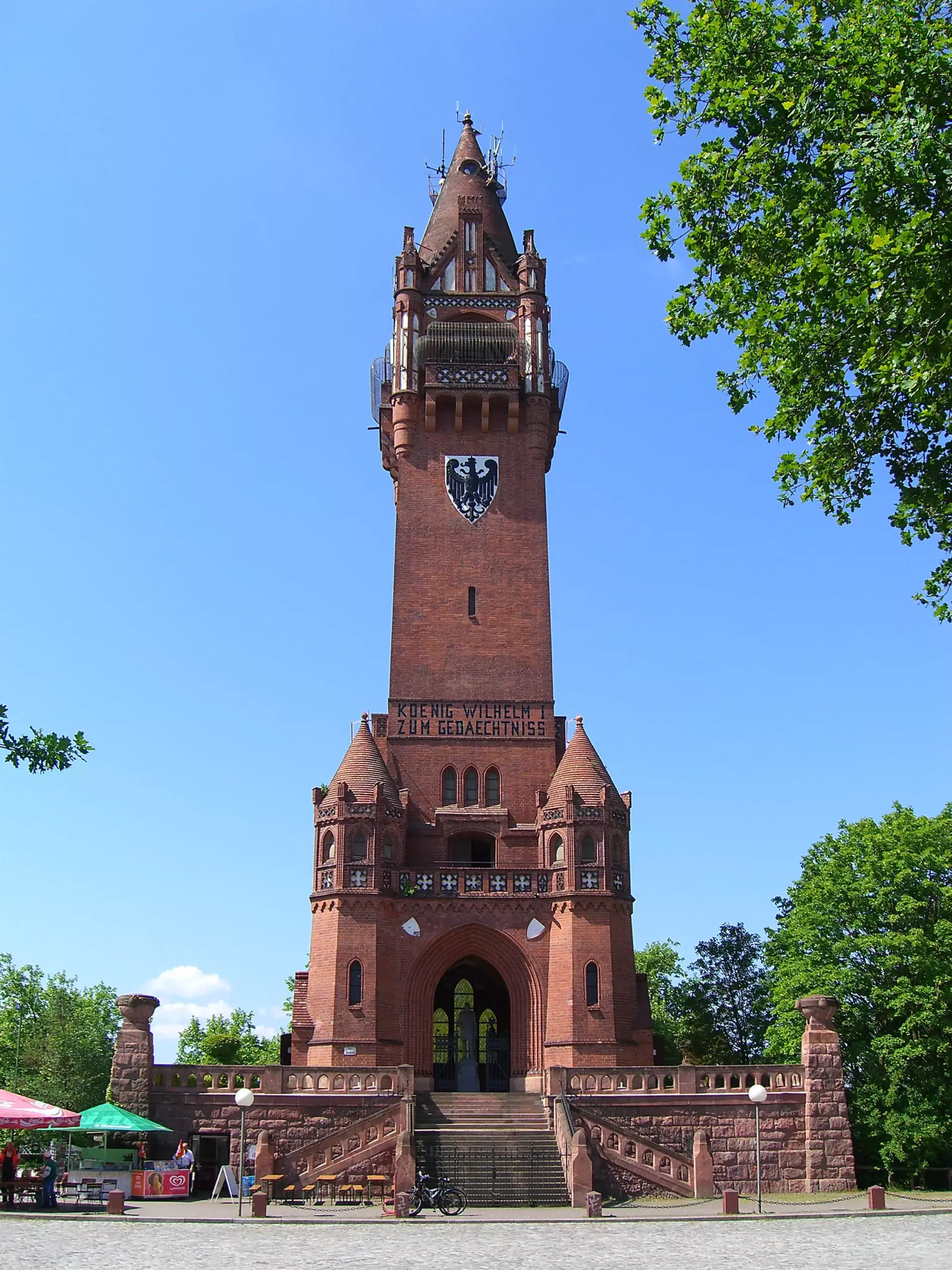
With the Kreuzberg, a hill in Kreuzberg 61, the Prussian National Monument by Schinkel and a waterfall. Superb panoramic views across south Berlin.
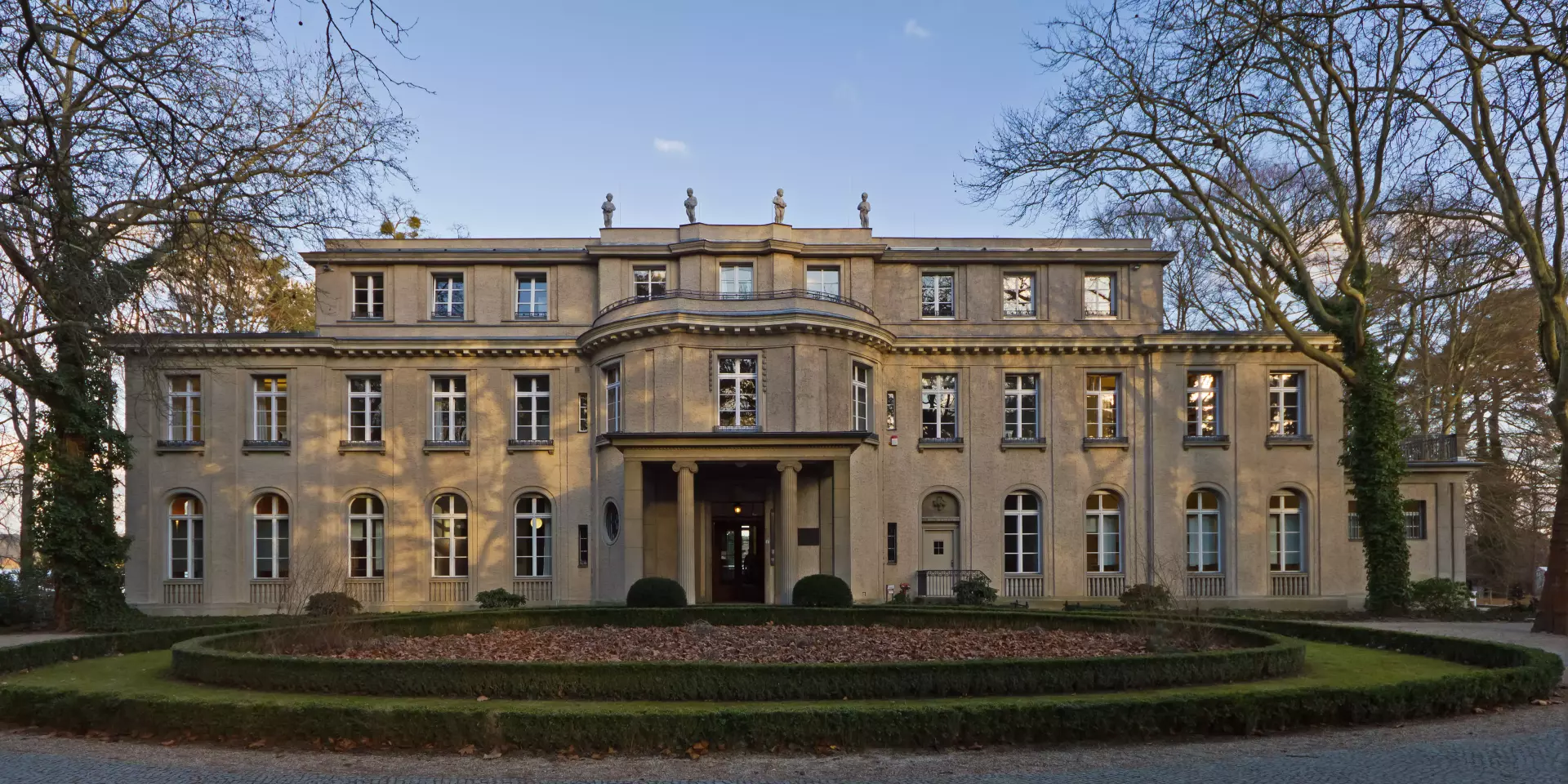
This outdoor and indoor history museum documents the terror applied by the Nazi regime. It is on the site of buildings which during the Nazi regime from 1933 to 1945 were the headquarters of the Gestapo and the SS, the principal instruments of repression during the Nazi era.
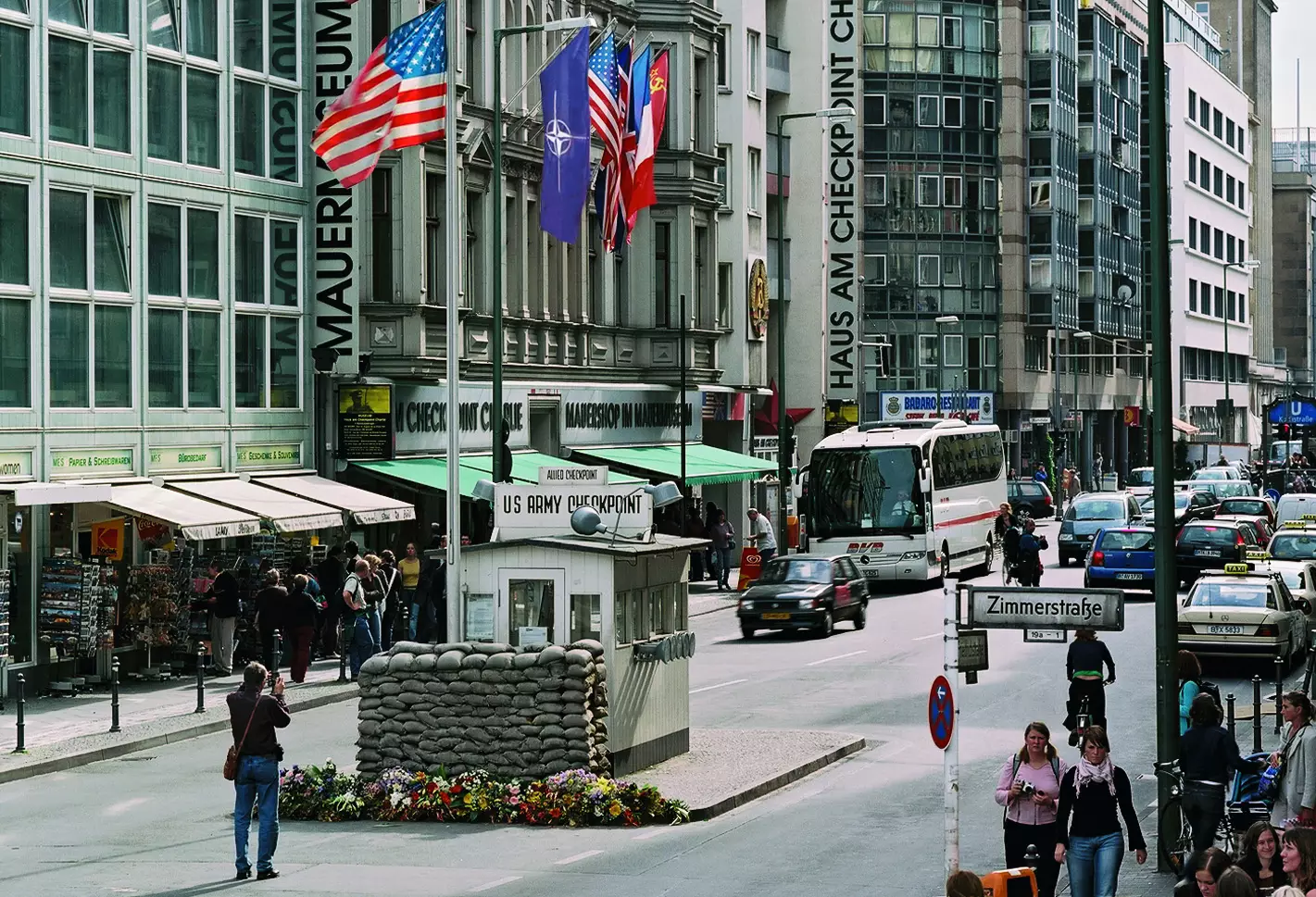
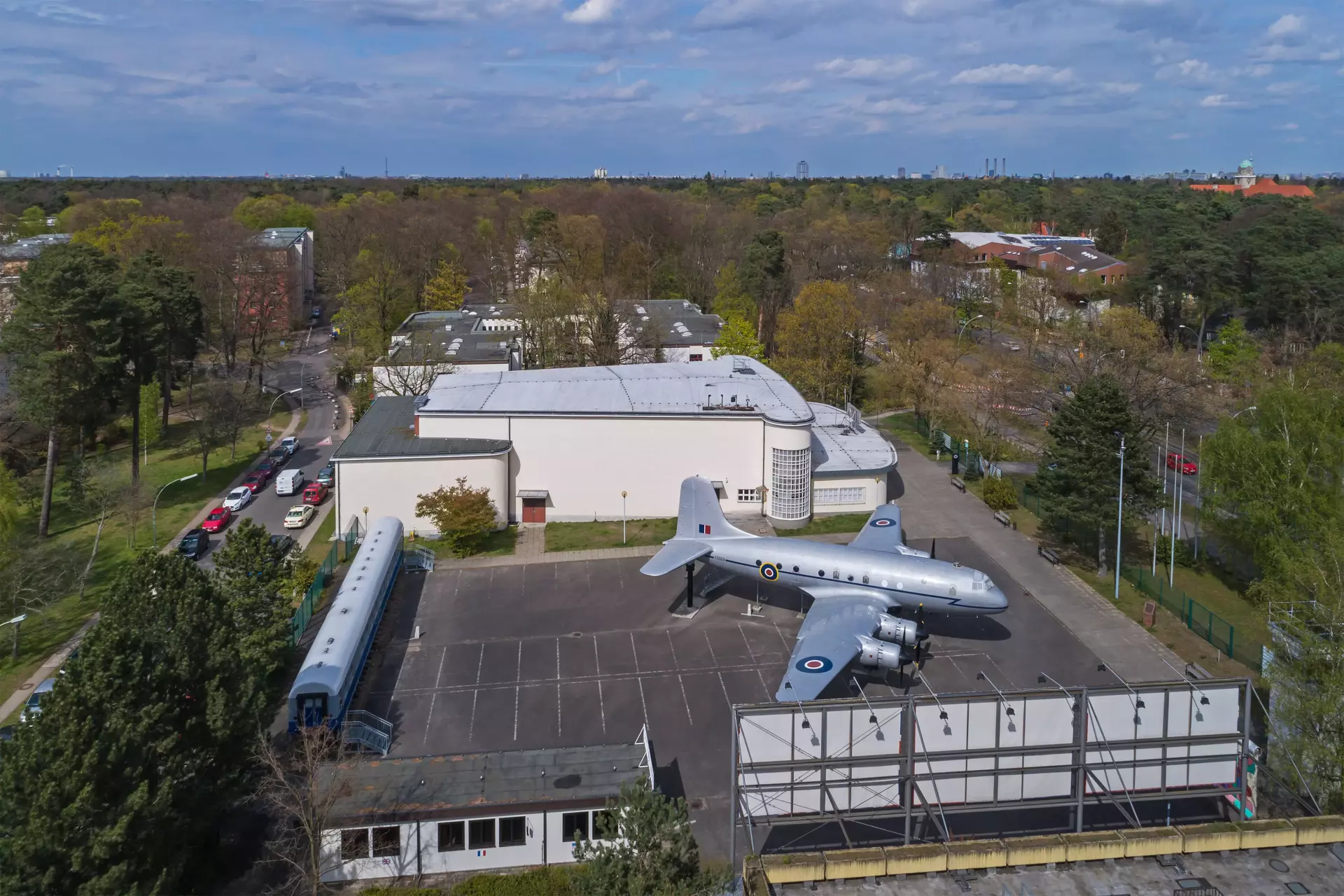
It was the only border crossing between East and West Berlin that permitted foreigners passage. Residents of East and West Berlin were not allowed to use it. This contributed to Checkpoint Charlie's mythological status as a meeting place for spies and other shady individuals. Checkpoint Charlie gained its name from the phonetic alphabet; checkpoints "Alpha" and "Bravo" were at the autobahn checkpoints Helmstedt and Dreilinden respectively. Checkpoint Charlie's atmosphere was not improved at all on 27 Oct 1961 when the two Cold War superpowers chose to face each other down for a day. Soviet and American tanks stood approximately 200 m apart, making an already tense situation worse. Now the remains of the Berlin Wall have been moved to permit building, including construction of the American Business Center and other institutions.At the intersection of Zimmerstraße and Friedrichstraße (U-Bahn Kochstraße U6) is the famous "You Are Leaving the American Sector" sign. The actual guardhouse from Checkpoint Charlie is now housed at the Allied Museum on Clayallee. For a more interesting exhibit go to the Haus am Checkpoint Charlie. This is a private museum with kitschy memorabilia from the Wall and the devices GDR residents used to escape the East (including a tiny submarine!). There are also people who set up booths here offering to stamp your passport with souvenir stamps in exchange for a small fee. You are highly advised not to put these stamps in your passport, as these are not official stamps and could invalidate it. Instead, bring along an expired passport or a small booklet to put the stamps in.
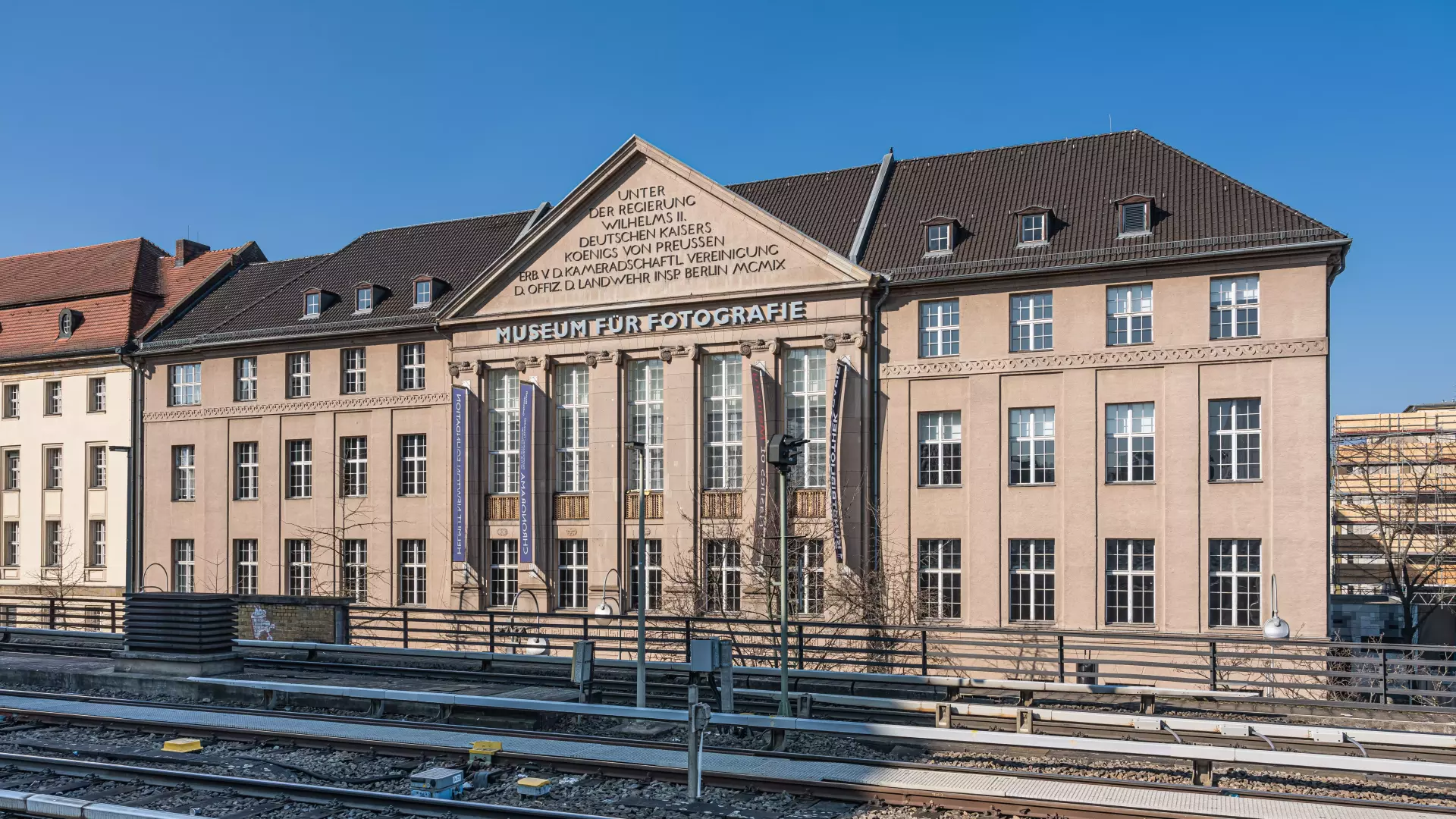
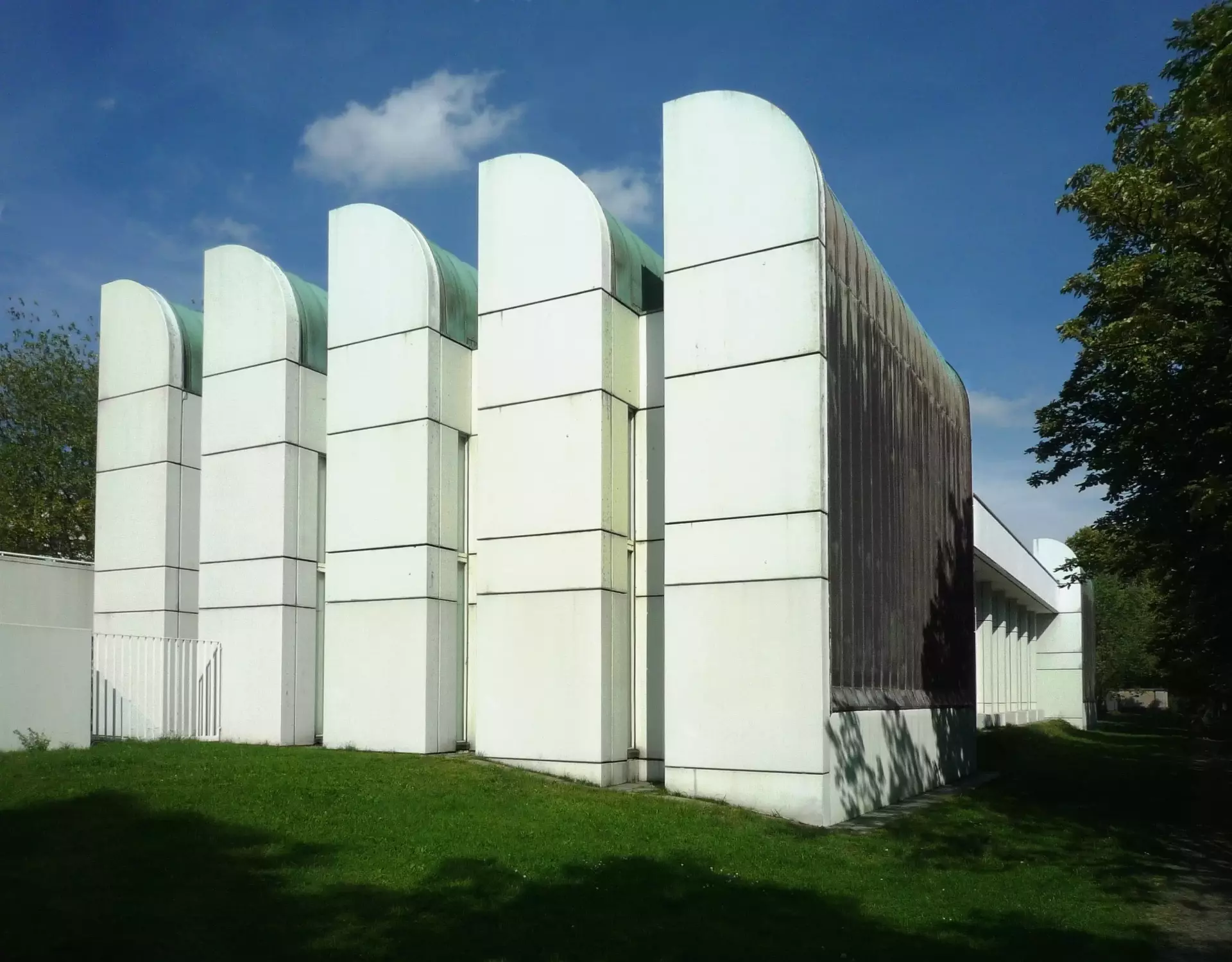
Closed for renovations; the temporary Bauhaus-Archiv is at Knesebeckstraße 1-2 in Charlottenburg. Building designed by Walter Gropius. Inside a museum, library, cafe and shop.
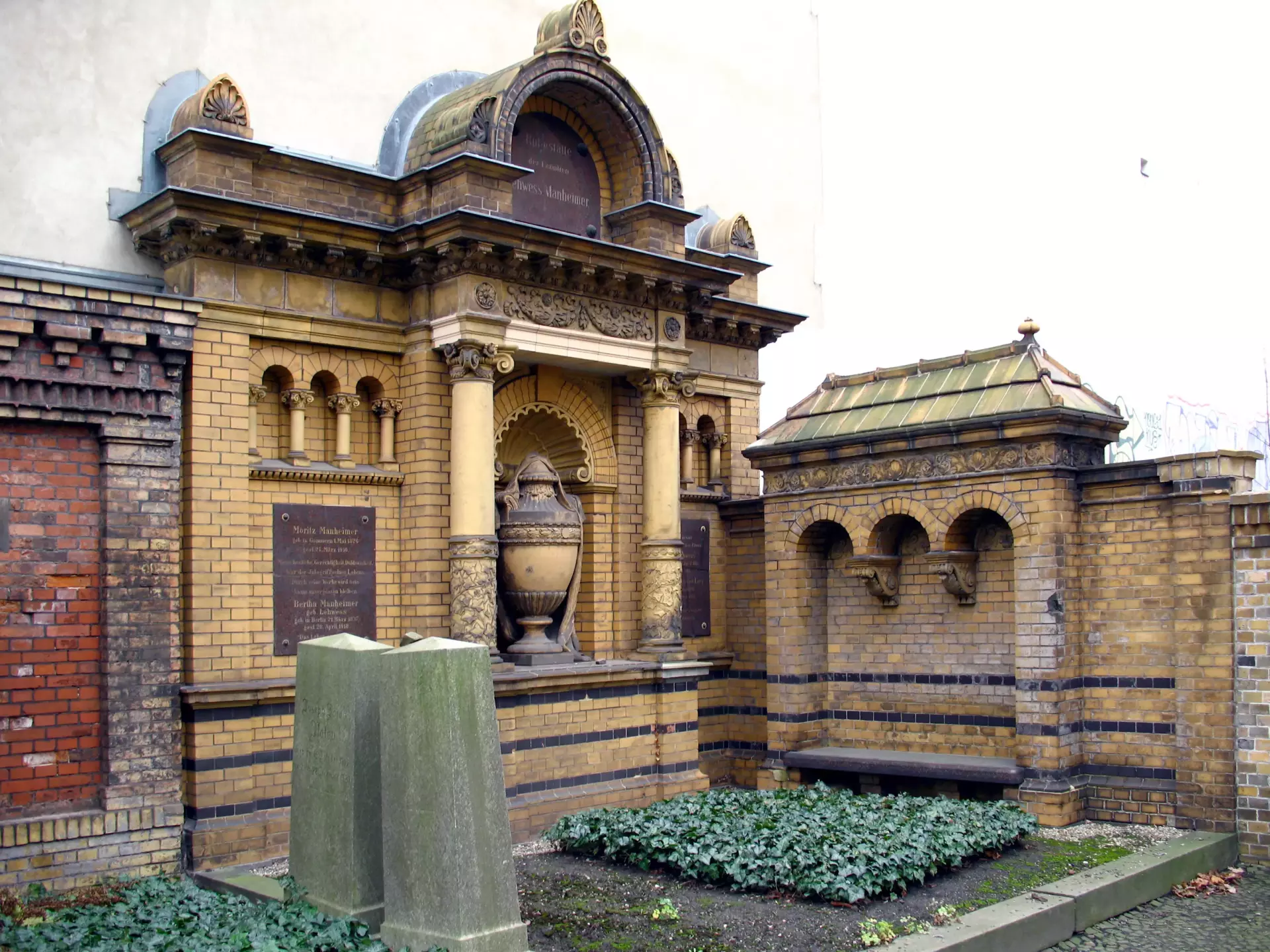
Jewish cemetery and lapidarium with old tombstones.
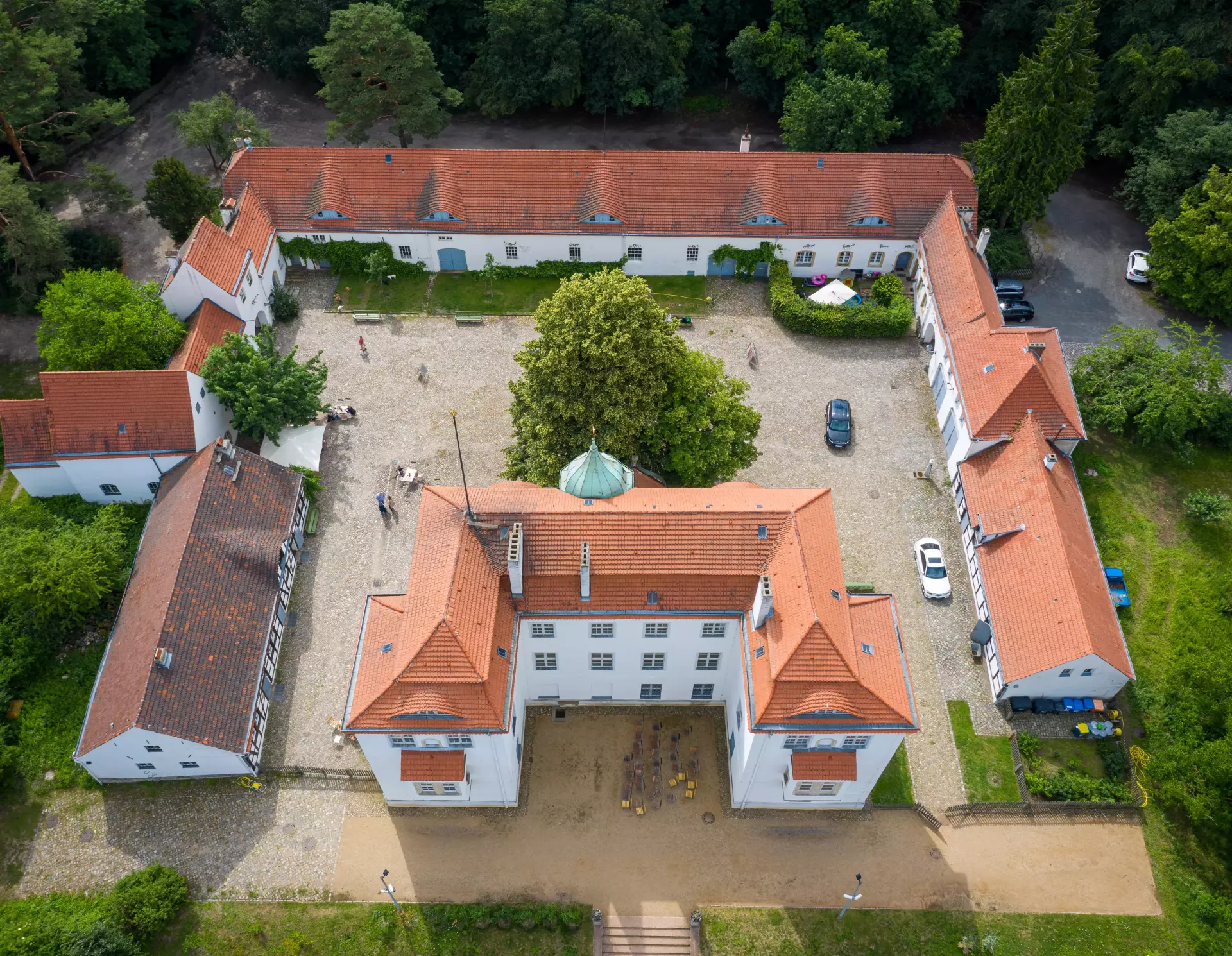
Built in 1542. An impressive traditional country estate with stately architecture, it is an enclave of untouched regional cultural history and architectonic epochs. The 80-hectare mixed forest also provides a wide network of paths for walking and rambling.
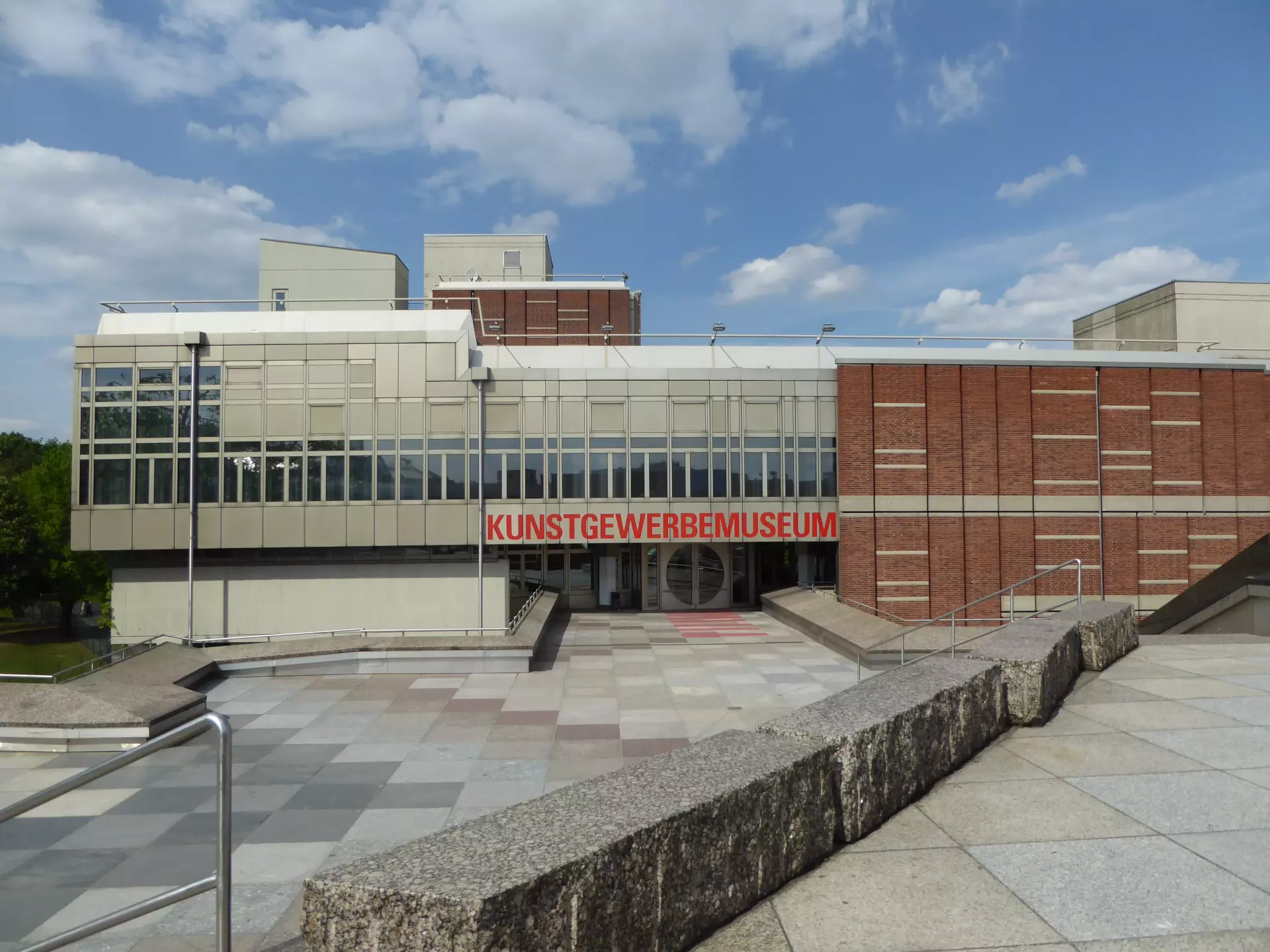
The oldest museum of its kind in Germany which, despite great losses during the World War II, still possesses one of the world's primary collections of European applied art. There are two sections to the collection: one located at the Kulturforum in Tiergarten, the other at Köpenick Palace.
Places with markets on Wednesdays and Saturdays are popular with locals at Winterfeldplatz. Buy a coffee and browse amongst the stalls; this is a place to unearth hidden gems. Breakfast is served usually until 14:00-15:00.
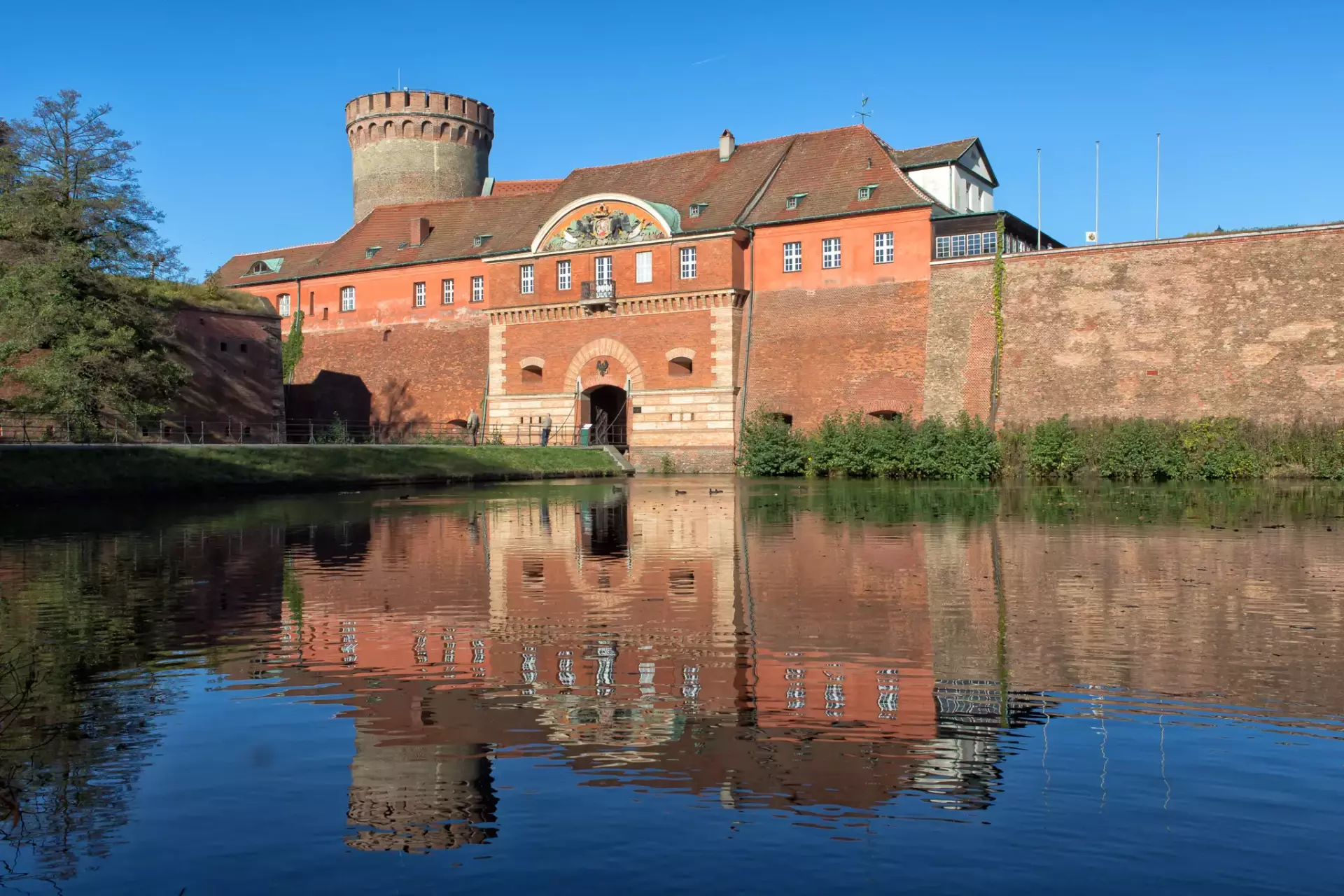
A fortress built between 1560 and 1590 to Italian design on the site of a 12th-century castle. The Juliusturm housed part of the huge indemnity (in physical gold coins) France had to pay after the war of 1870/71 until what was left of it was returned to France after Germany's loss in World War I. The term "Juliusturm" remained in usage in German for a large "rainy day fund" into the 1960s. Museums housed within the citadel cover the history of the town of Spandau, monumental public art in Berlin, and artillery.
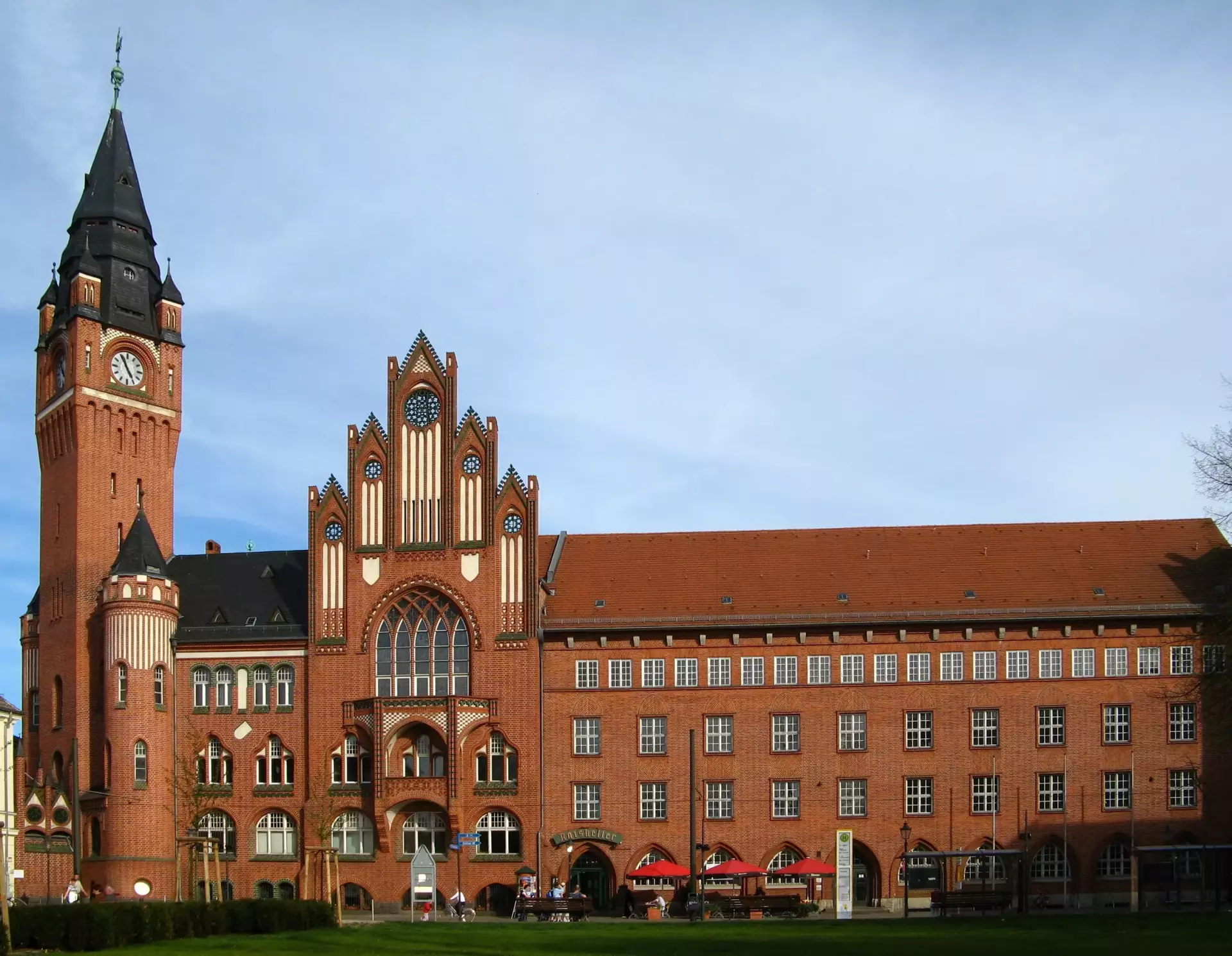
The old town of Köpenick is surrounded by water. Especially noteworthy are the Köpenick Palace which houses a museum of applied art and the Neogothic town hall.