The Camondo Stairs offer a unique visual experience with their blend of Neo-Baroque and early Art Nouveau design. These elegant curves and decorative details make them stand out among the surrounding cityscape.
Built during the 1870s, the stairs were commissioned by Abraham Salomon Camondo. As a member of the influential Camondo family, he played a significant role in both finance and philanthropy in the Ottoman Empire. The family's roots trace back to Venice, and they became well-known figures in Istanbul's social and economic life.
The stairway links Bankalar Street, once the center of Ottoman banking, with the area leading up to the iconic Galata Tower. This location made the stairs an important thoroughfare, connecting business and residential districts while adding a touch of architectural flair to the neighborhood.
Source - https://en.wikipedia.org/wiki/Camondo_Stairs
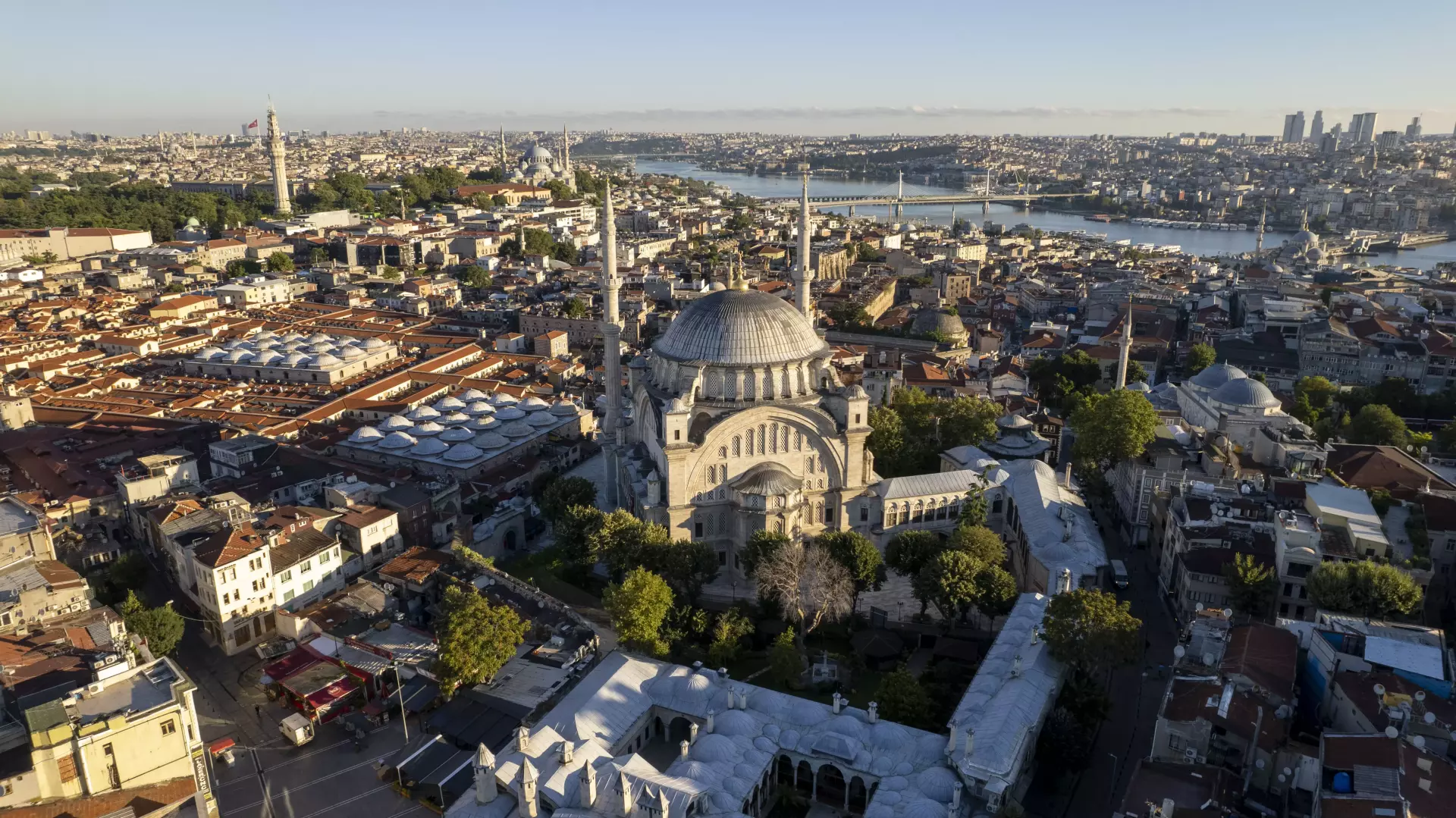
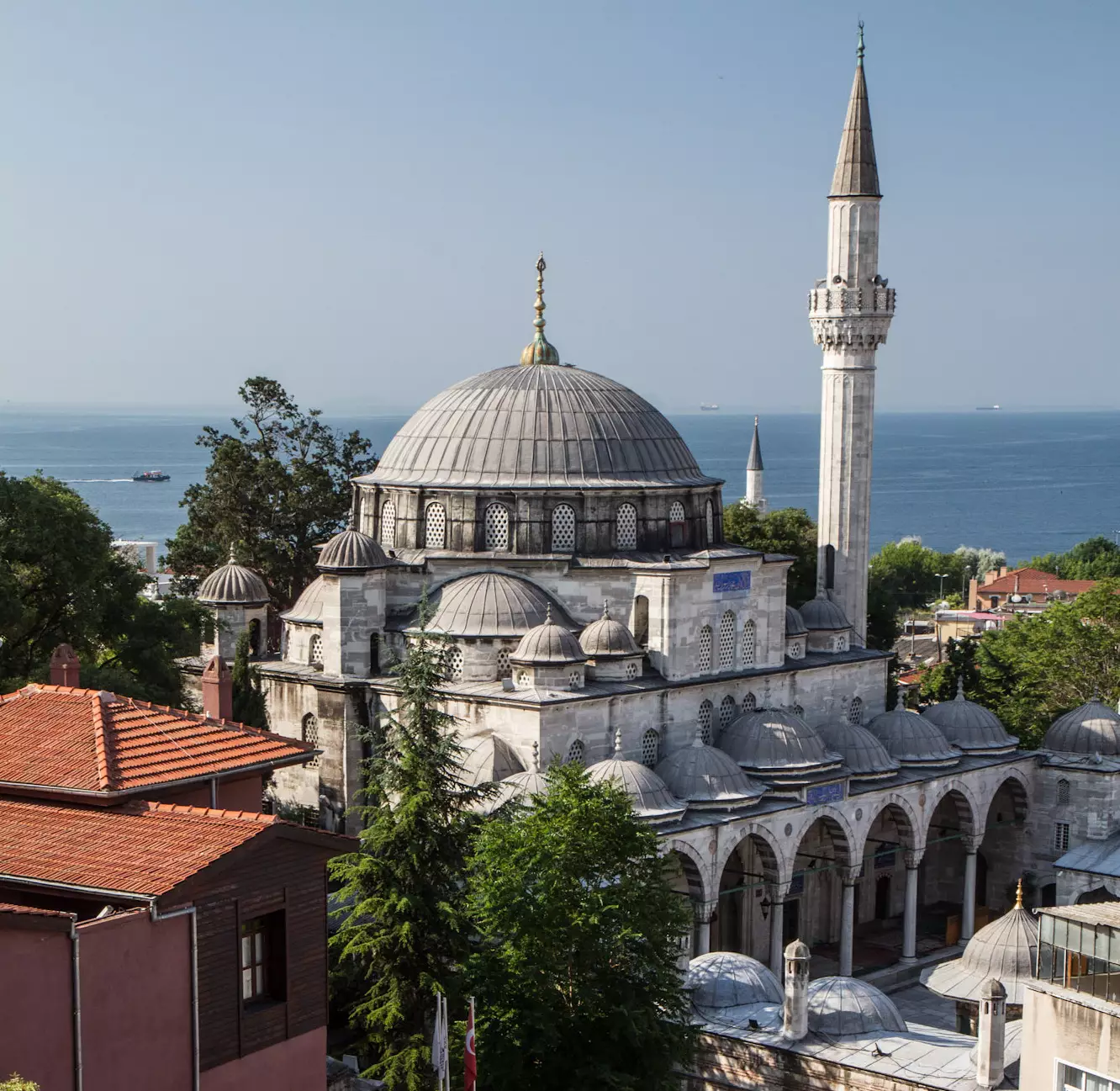
Built 1748-55, this launched the style we call Ottoman Baroque, with its grand central dome and pencil-thin minarets. It was copied throughout their empire and is replicated in new mosques even today. The name means "light of the Ottomans," and the interior uses light powdery decor, bathed with much more natural light than its gloomier classical predecessors. The complex also has a madrasa and the imaret (public soup kitchen).
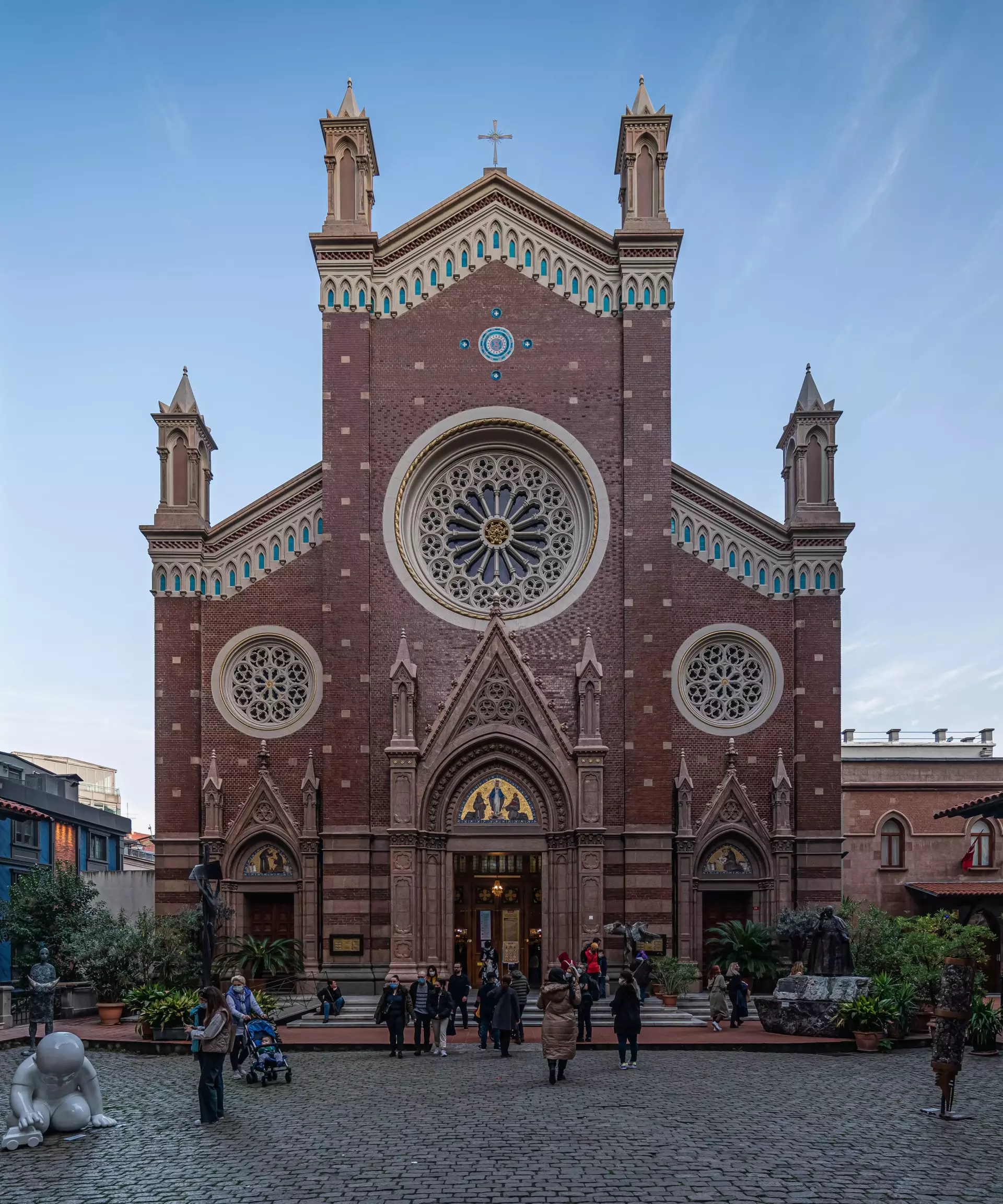
Although not at the size of Hagia Sophia, this is the largest active church in Turkey. It’s directly on Istiklal St, but somewhat hidden from view by its yard portal. Catholic Masses in Italian, Turkish, and English (in different days of the week).
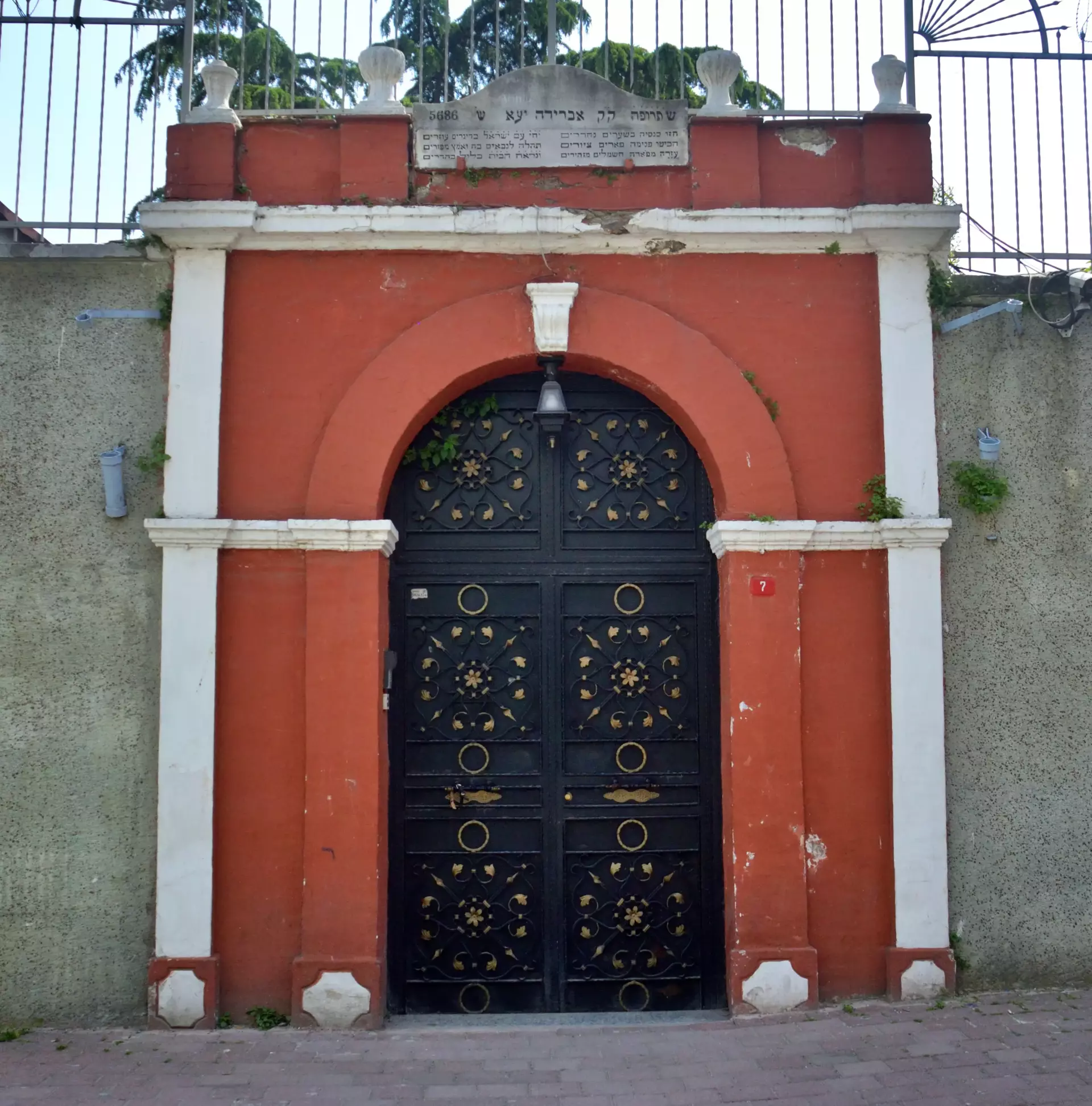
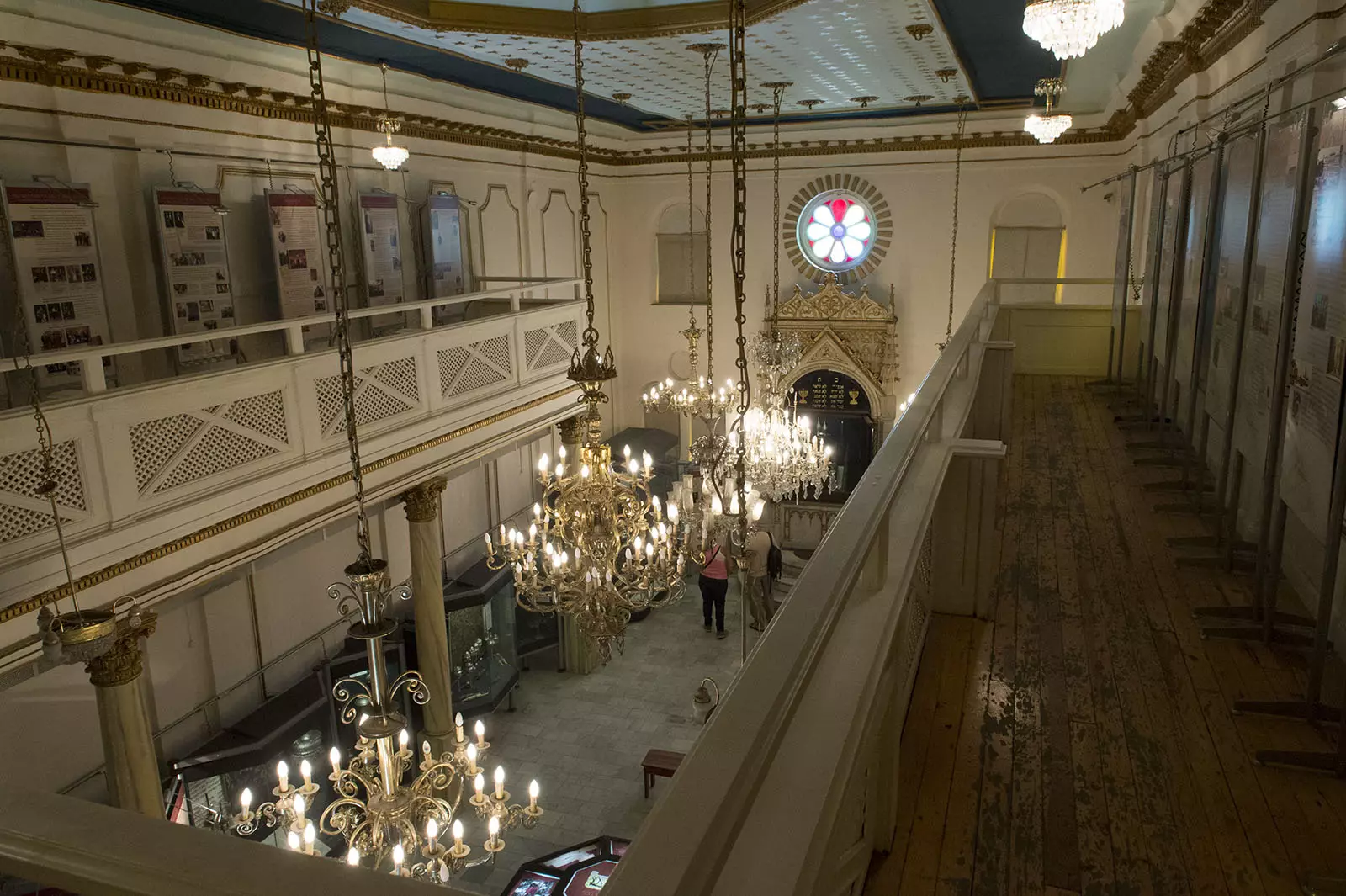
This was built in the 1430s by Grecian Jews ("Romaniotes") from the city of Ohrid, now in North Macedonia. The district of Balat was a Jewish quarter, swelled from 1492 by those expelled from Spain. The synagogue is only open for pre-arranged tours.
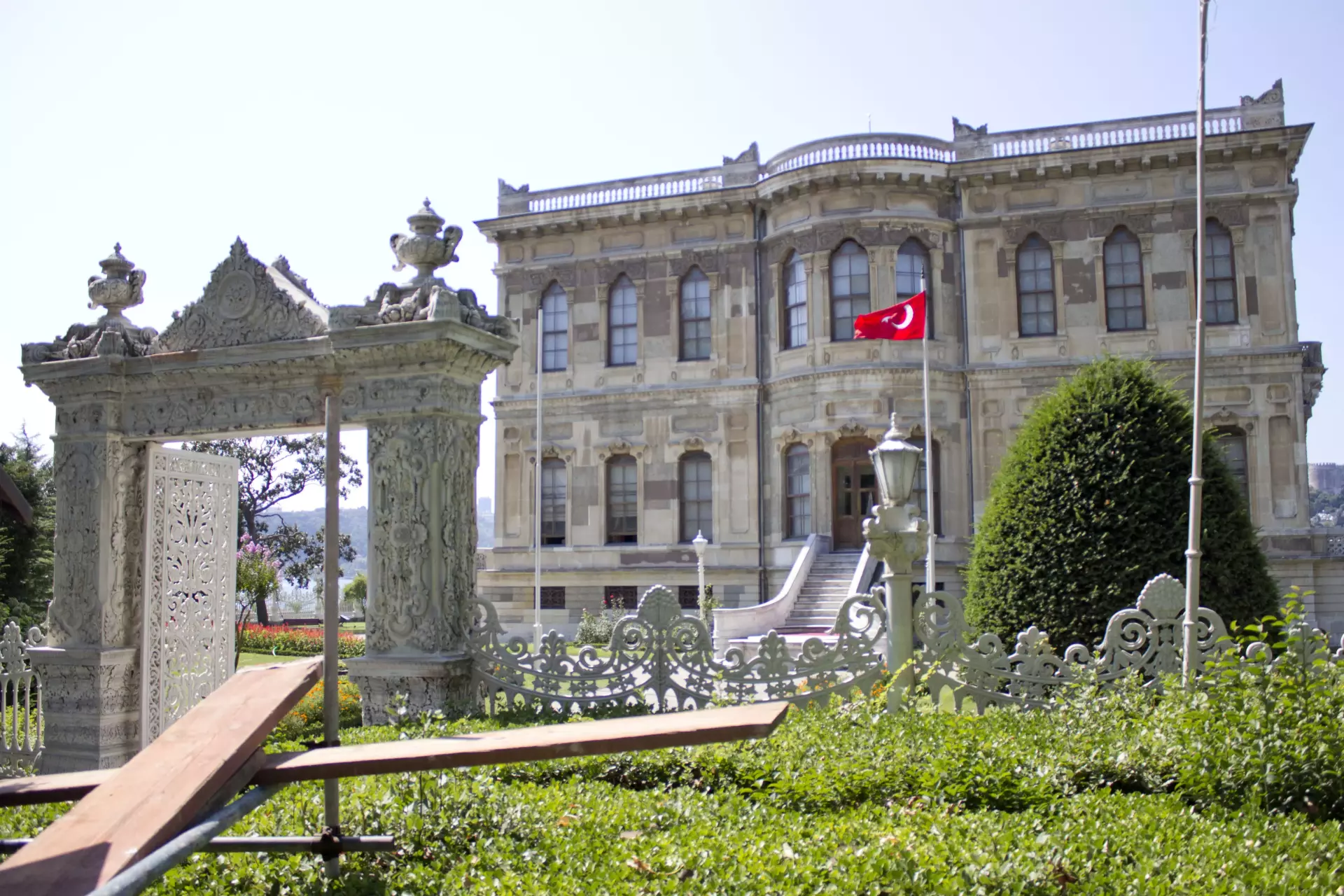
Started in 1613 by the Ottoman sultan Ahmet I (r. 1603–1617, who also had the Blue Mosque in the Old City built), and extensively renovated by the art-loving Selim III (r. 1789–1807), this sole building, which itself has the distinction of being the only intact structure that dates back to the rule of Ahmet III (r. 1703–1730), set inside a beautiful garden of pools and mature cedar and magnolia trees is the only remaining part of what was once the fourth largest palatial complex in Istanbul, extending all the way to the banks of the Golden Horn (which is now occupied by the derelict buildings of the closed shipyard, which also block part of the view towards the shore). According to the local rumour, its name (which in Turkish means "mirrored poplar") derives from the now absent mirrors gifted by Venice to the palace that were presumably "as tall as the poplars" (aynalar kavak). The highly decorative and colourful interior includes several rooms of original furnitures fit for a sultan, some of which are covered with nacre, and walls embellished with Ottoman poems praising the palace and Selim III. Downstairs is a small museum dedicated to music, which exhibit some of the instruments (violins, ouds, and kamanchehs) and gramophone records owned by Fatma Gevheri Sultana (1904–1980), the granddaughter of Abdülaziz I (r. 1861–1876). While you are outside, also check out the old main entrance (now closed) towards the Golden Horn, topped by a dome. Worth the half hour spent there.
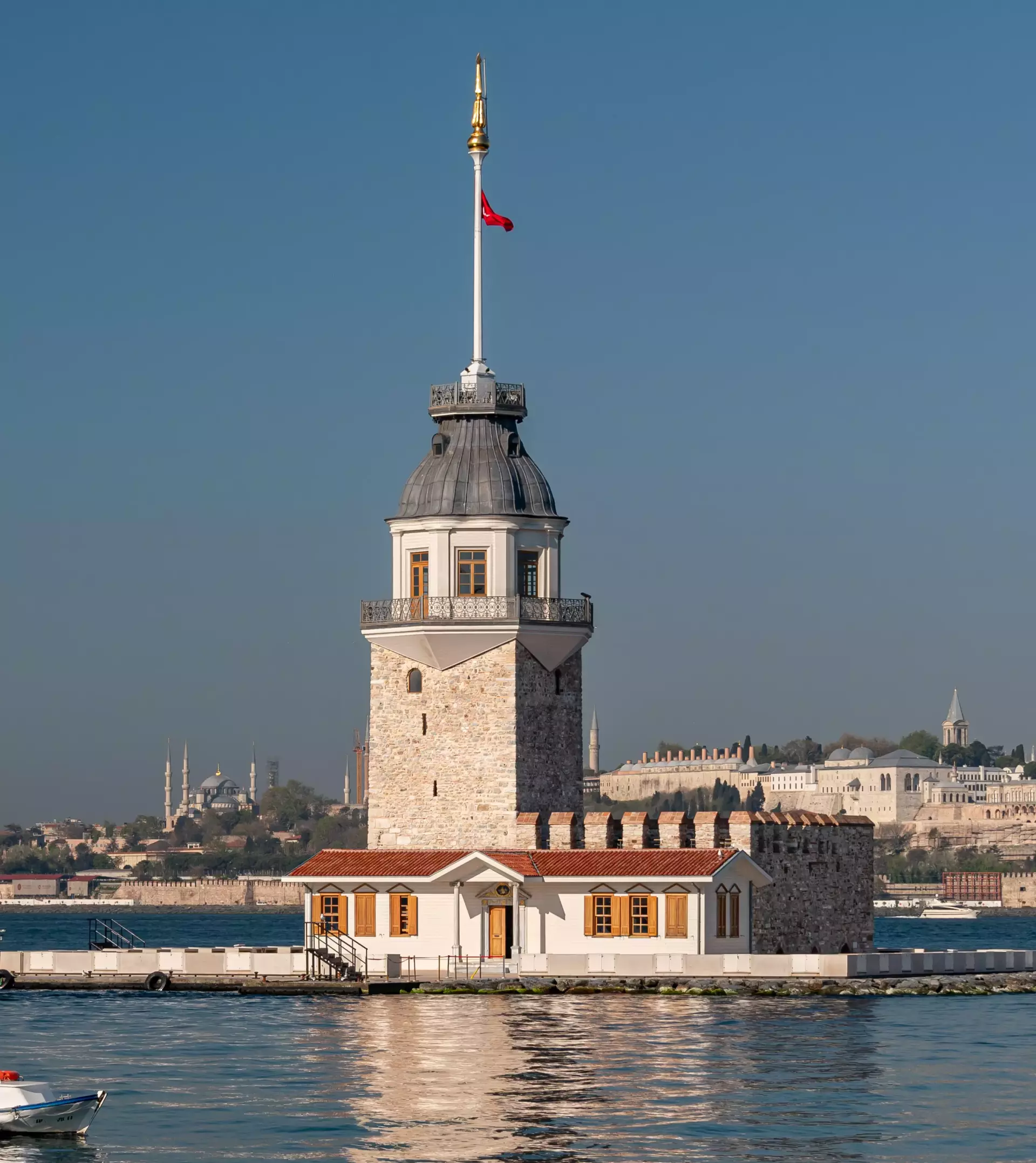
It was built by the Genoese in the 14th century on the city walls of Galata, marking the highest point of their territory. Ride an elevator and take two flights of stairs to the top, then walk the parapet for a 360°-view of Istanbul, including the entire Sultanahmet peninsula: crowned by Topkapı Palace, the Blue Mosque and Hagia Sophia. A beautiful spot worthy of a lot of pictures.
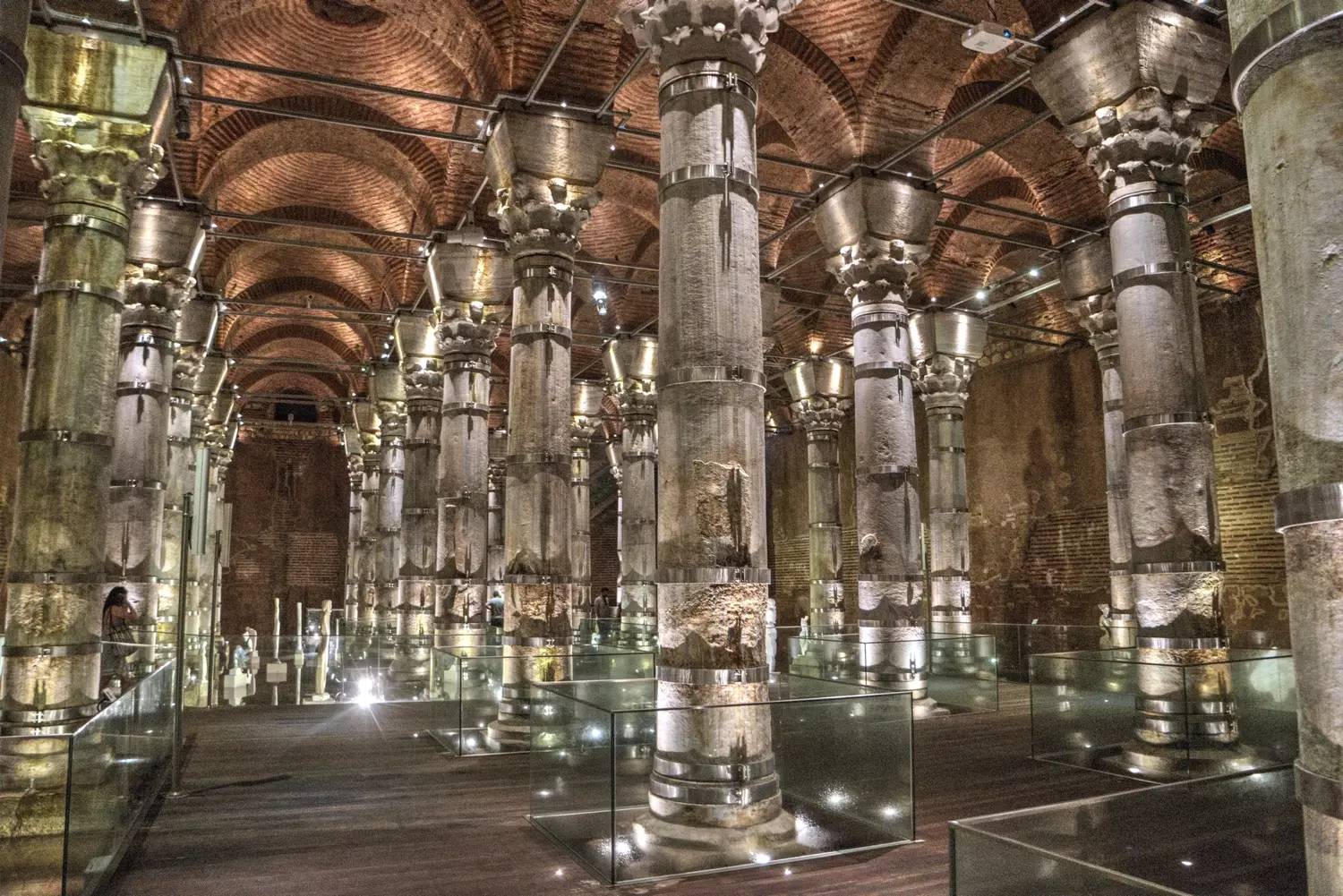
This was rediscovered in 2010 when an overlying building was demolished. It was built circa 430 AD to store water brought in by Valens Aqueduct. It's smaller than the better-known Basilica Cistern, but better lit, more atmospheric and less touristy.
The original mosque was built between 1463-1470 by the Greek architect Atik Sinan, by order of Sultan Mehmet II the Conqueror, on the site of the former Church of the Holy Apostles, which had served as Byzantine Imperial burial place for a thousand years. The grand complex with eight medreses, a library, hospital, hospice, caravanserai, market, hamam, primary school and public soup kitchen was smashed again and again by earthquakes, and the present building is from 1771 to a different design. The interior is lavish, and outside is the ornate tomb of Mehmet II and his wife Gülbahar Hatun.
Vast underground cistern built by Justinian in 532 to store the city's water, the largest and best-known of the hundreds constructed. It's a cathedral-like space with 336 richly decorated columns. Time was you explored in a little rowing boat, but tourist numbers have soared and water levels have dropped, so now you follow a boardwalk, with lights, piped music and art installations. It's sometimes a film location, and stages concerts. But the crowds rob it of atmosphere and you might prefer to seek out one of the less-visited cisterns.
A former synagogue, the museum's exhibit details how the cultures mixed with and influenced each other in the past 500+ years since the Spanish expulsion.
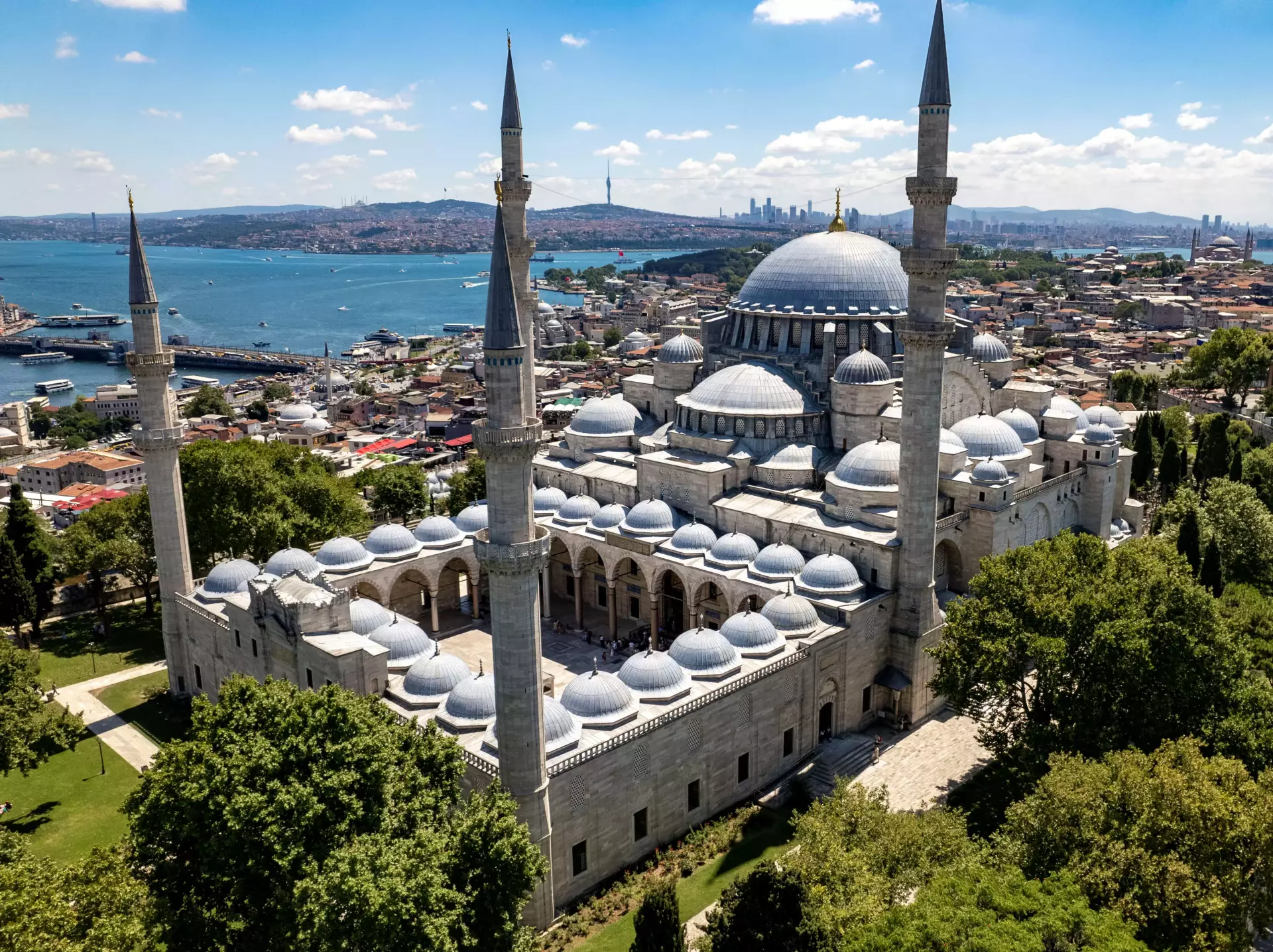
On top of a hill overlooking the Golden Horn, this is a magnificent mosque built by Sinan in the 1550s. It was centrepiece of a large külliye, a religious complex which included madrasas, a public kitchen and a hospital.. The small cemetery east has the mausoleums of Suleiman the Magnificent and of his wife Hurrem Sultan or Roxelana.
The imperial enclave of the Ottoman emperors for four centuries. Lavishly decorated, with exhibitions of fine craftmanship and four courts of increasing grandeur. The second court has the Harem and the State Treasury, housing a weaponry display. The third court has the Imperial Treasury, with Islamic and Christian relics. The views from the Fourth Court over the Bosphorus are spectacular. Reckon on spending several hours here and bring water as the museum kiosk is overpriced.
A village with an impressive citadel overlooking the Bosphorus and its mouth into the Black Sea. By land it's accessible only by a hairpinning road through the forest, with few buses. It's best reached by ferry from Eminönü (twice daily) or Sariyer (frequent). In the village, a road is signposted up to the hilltop Yoros citadel (a little more than 1 km, 20 min on foot, free admission). There's a pleasant area with cafés by the ferry pier; the place gets crowded at weekends during summer. Nasty big dogs stalk the citadel area at night. See Istanbul#The_classic_Bosphorus_cruise.
Museum in a restored building that was the stables for Topkapı Palace. It exhibits various instruments for astronomy, clocks, pumps, weaponry and so on developed in Islamic realms down the centuries, but these are modern repro, and explanations of their context are skimpy. Islamic science and technology preceded that of Europe, as they insist, but they get the tone wrong, as if that was the triumphal culmination rather than the springboard for further advance.
A nice, organized museum with contemporary installations. It may be seen as overpriced given its small size. It also has a simple cafe.
Built as the Church of Saints Sergius and Bacchus around 530 AD, the same time as Hagia Sophia, but their styles differ. Transformed into a mosque in the early 1500s, it's beautifully decorated, with fine marble details, and has a pleasanter atmosphere than the larger busy mosques. The adjoining madrasa houses craft shops.