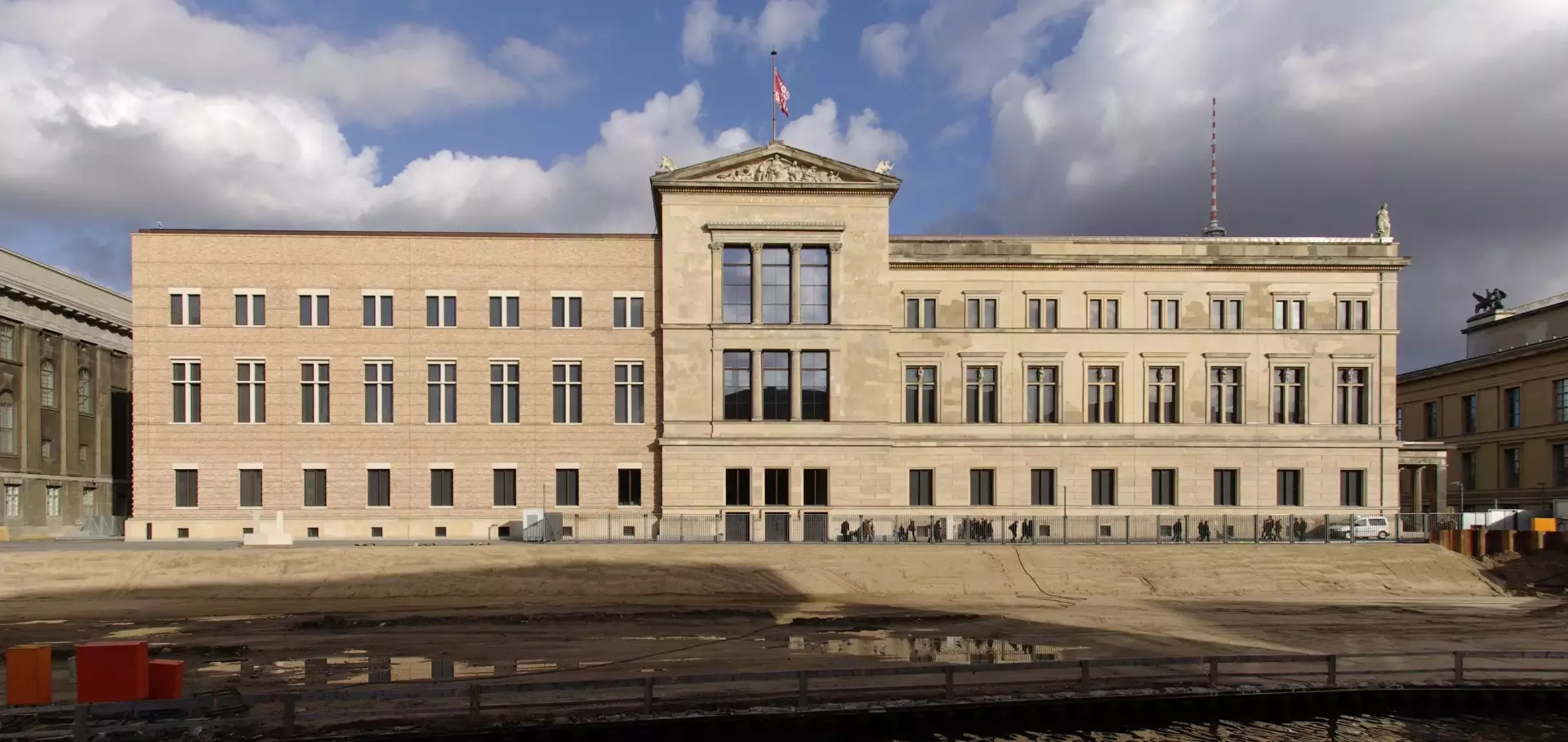
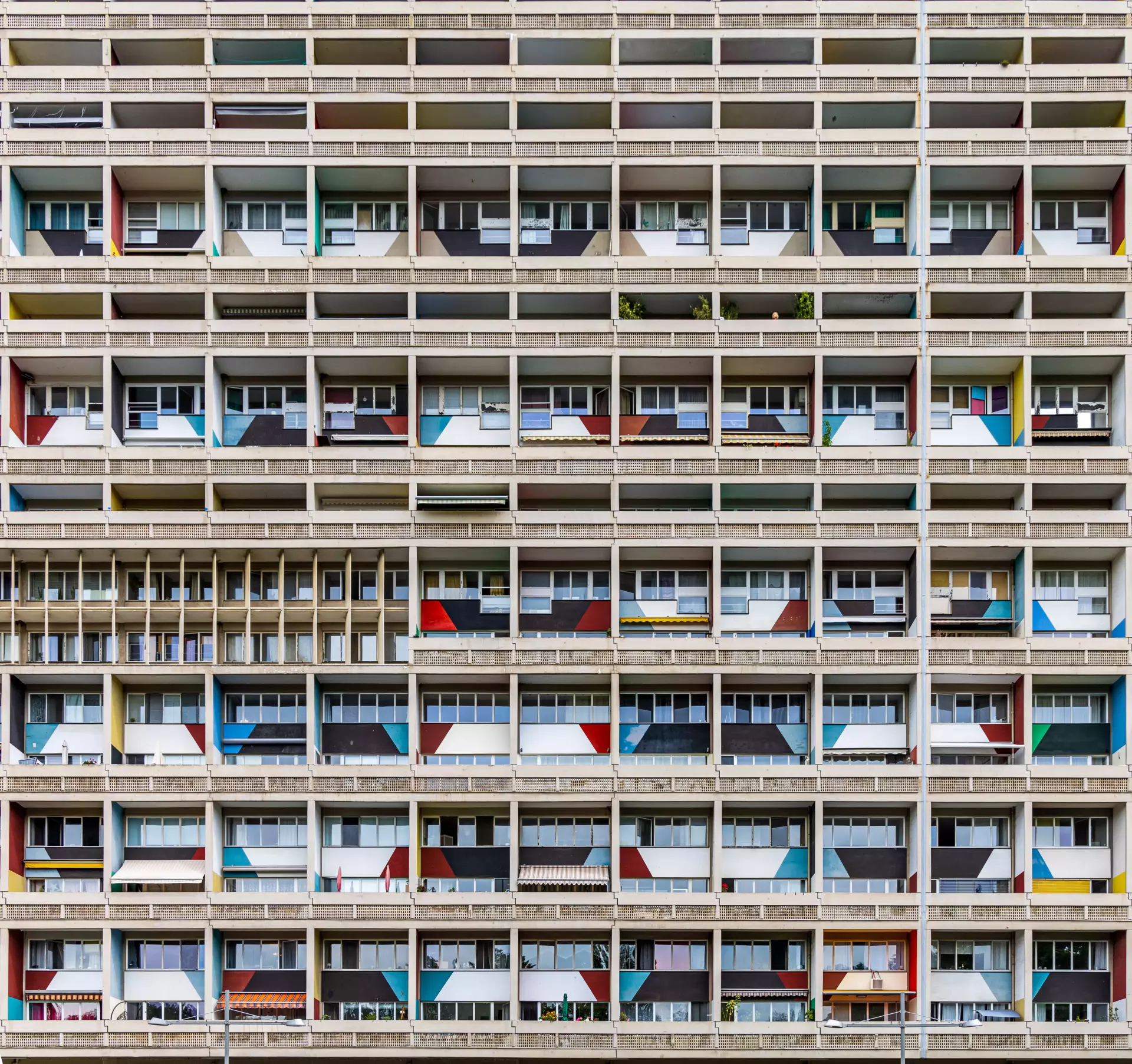
The Documentation Centre for Displacement, Expulsion, Reconciliation explores the many layers of forced migration in the 20th century. Its exhibitions, library, and testimony archive look closely at how millions were uprooted, with a particular focus on the experiences of German refugees during and after World War II. Personal stories, historical documents, and multimedia displays reveal the human impact of policies and conflicts that pushed people from their homes.
While the fate of German expellees forms a central theme, the museum presents this history within a broader narrative. It explains how displacement in Europe escalated as a result of Germany’s attack on neighboring countries and earlier expulsions ordered by the German state. The exhibitions trace cause and consequence: wartime aggression and occupation, ethnic persecution, and the mass movements that followed as borders shifted and societies fractured.
Before opening, the project sparked heated debate. It was initially championed by Erika Steinbach, a prominent figure associated with the political right in Germany’s expellee movement. Her earlier vision of a “centre against expulsions” drew strong criticism, especially in Poland, where concerns centered on historical framing and moral responsibility. In the end, the completed museum did not include Steinbach’s input.
The finished institution aims to hold multiple truths at once. It documents the suffering of those who were expelled—German and non-German alike—through testimonies and research, while also keeping the wider context in view. The narrative acknowledges that the expulsions of German populations were a direct outcome of Germany’s military aggression and the crimes of the regime, situating individual tragedies within the larger arc of cause and effect.
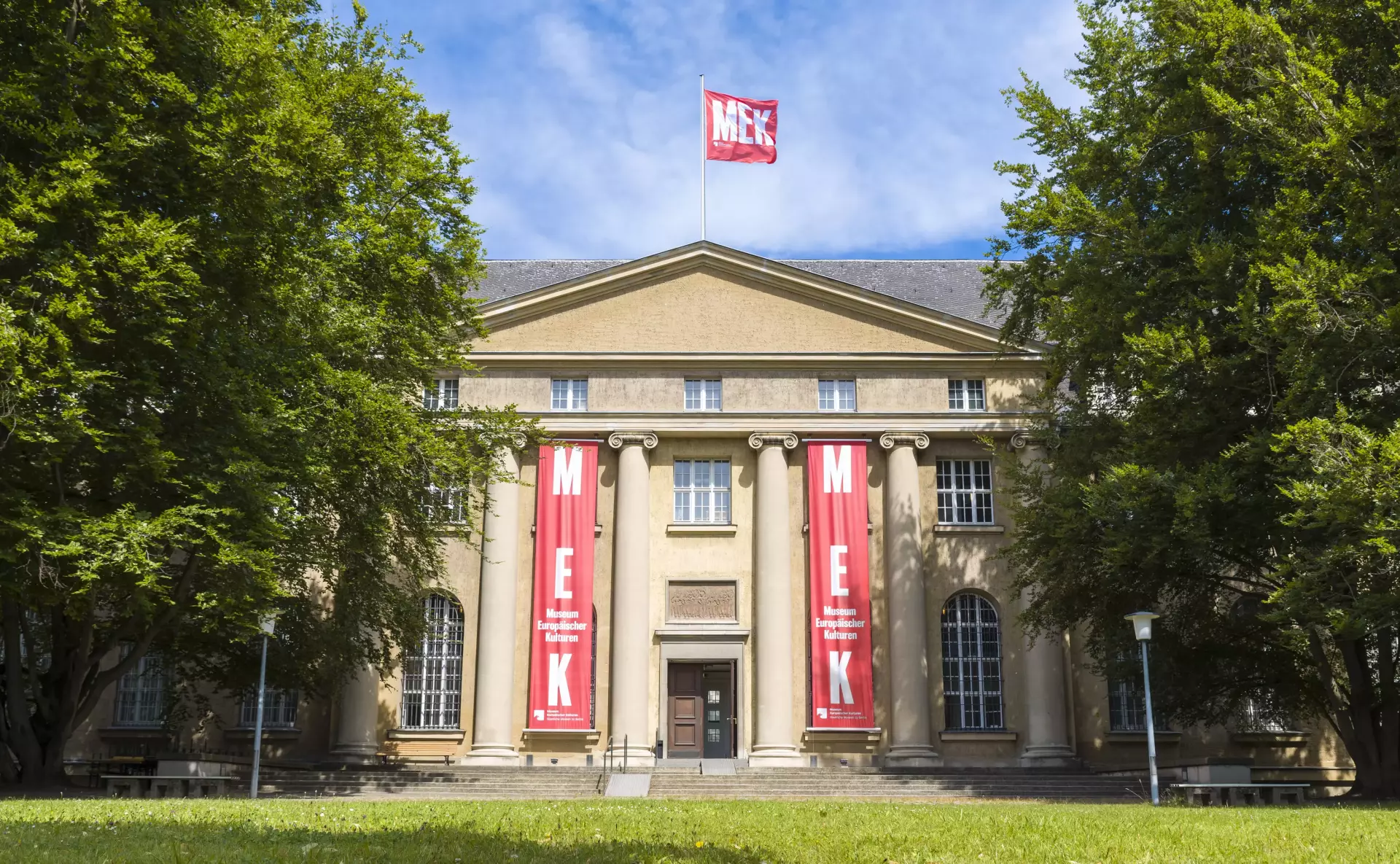
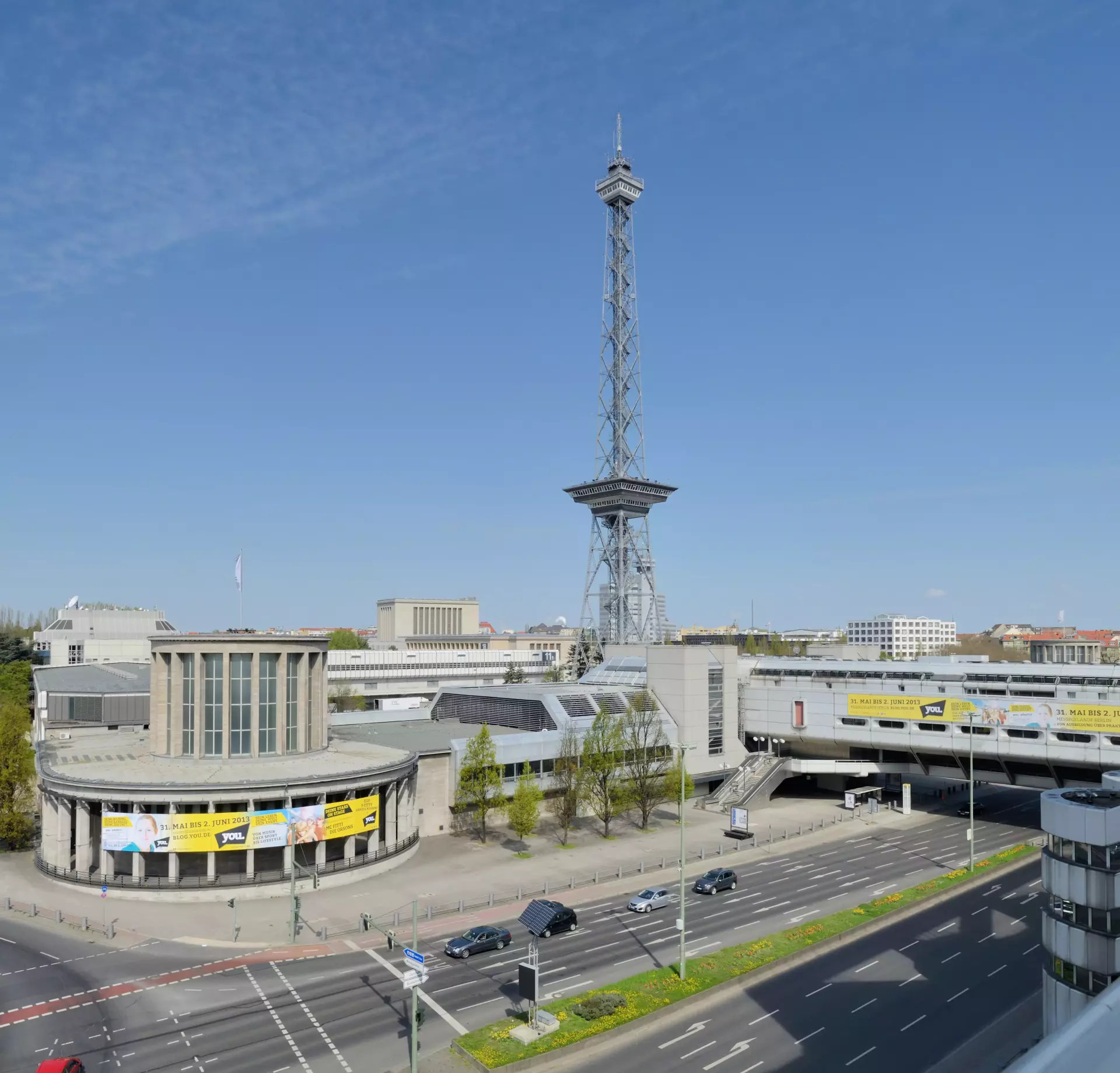
150 m high lattice tower with open-air observation deck 124 m above ground.
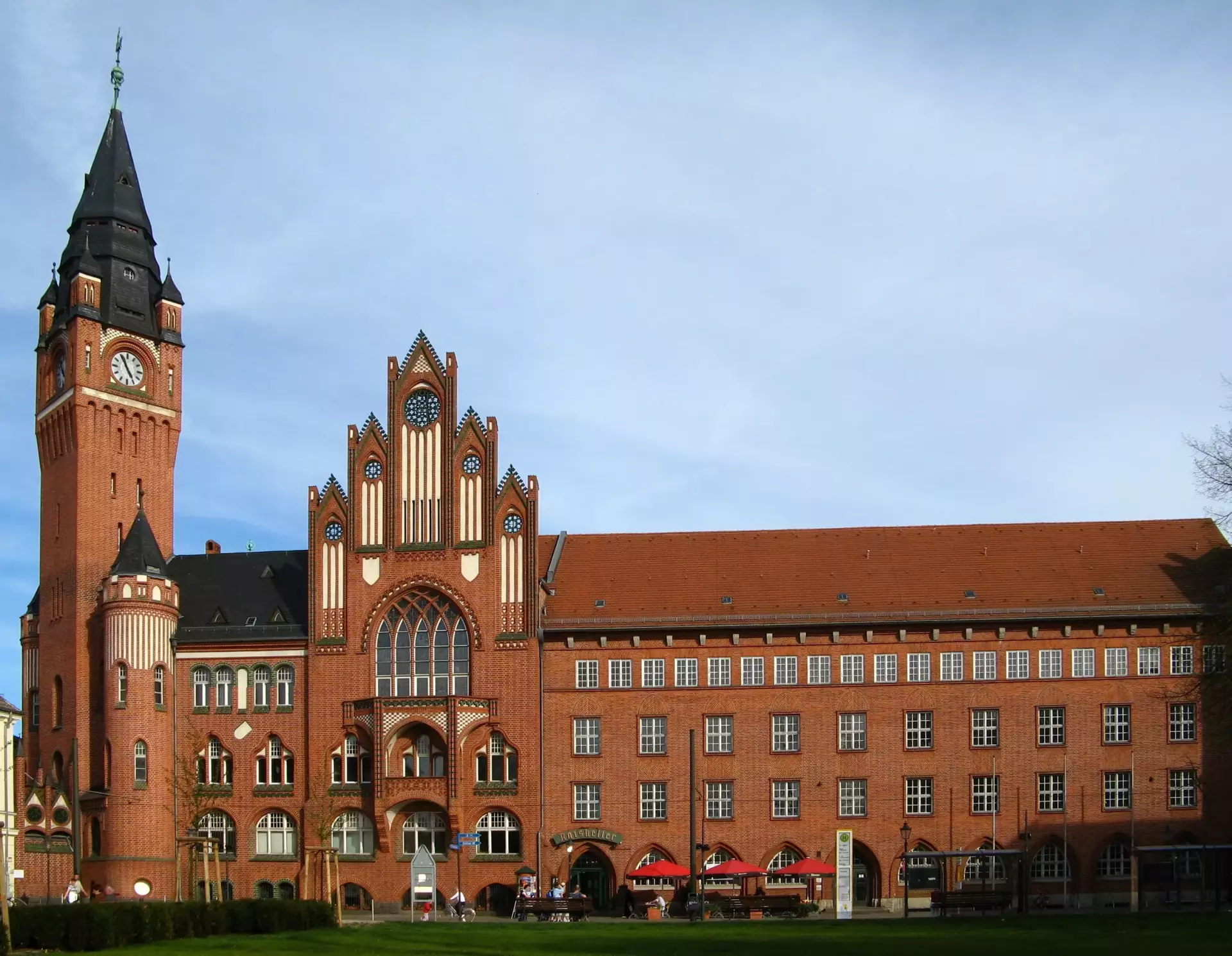
The old town of Köpenick is surrounded by water. Especially noteworthy are the Köpenick Palace which houses a museum of applied art and the Neogothic town hall.
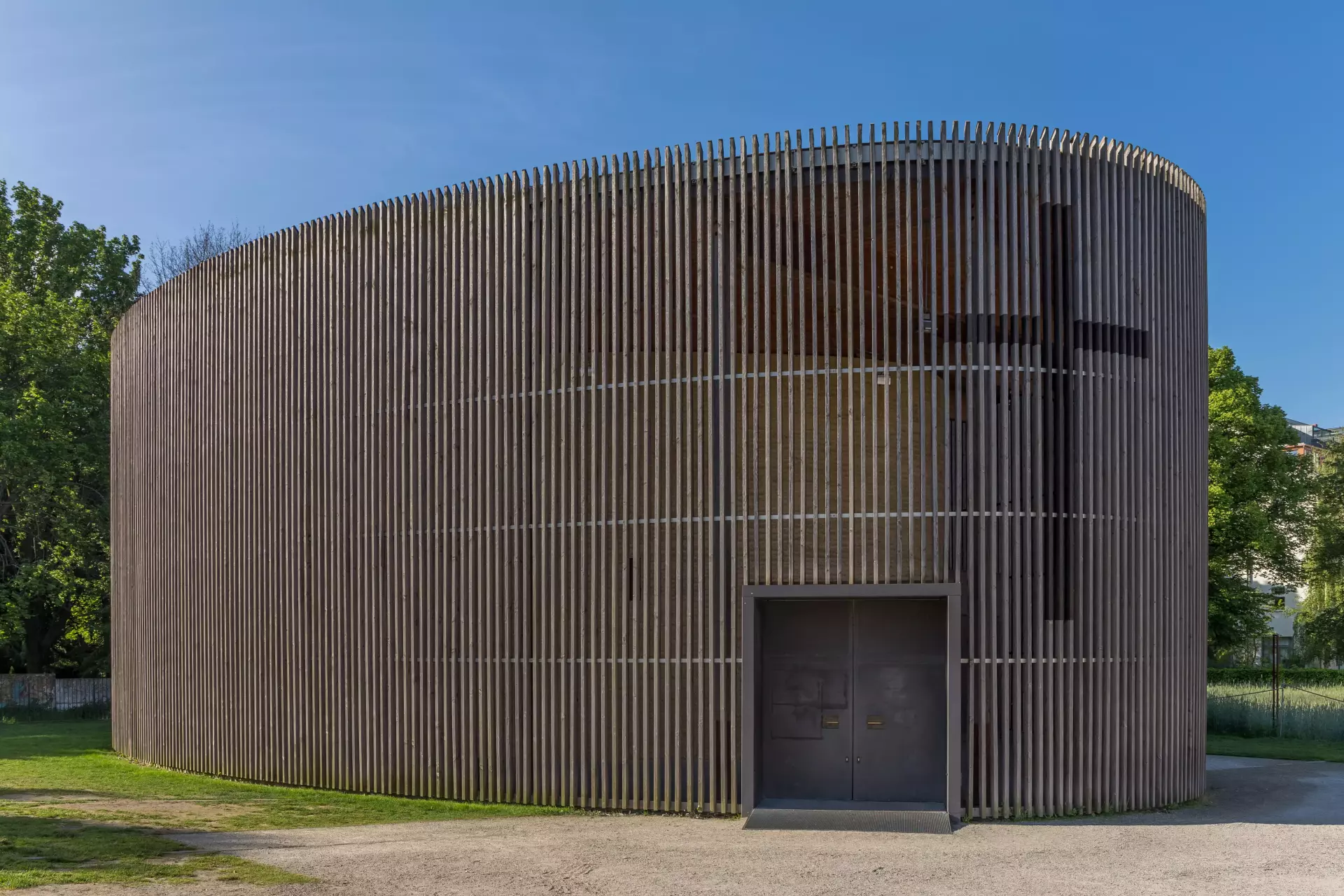
This chapel was built on the site of a church built in 1894 which sat on the "death strip" and was thus blown up by the GDR authorities in 1985. The chapel is the site of occasional memorial services for victims of the wall.
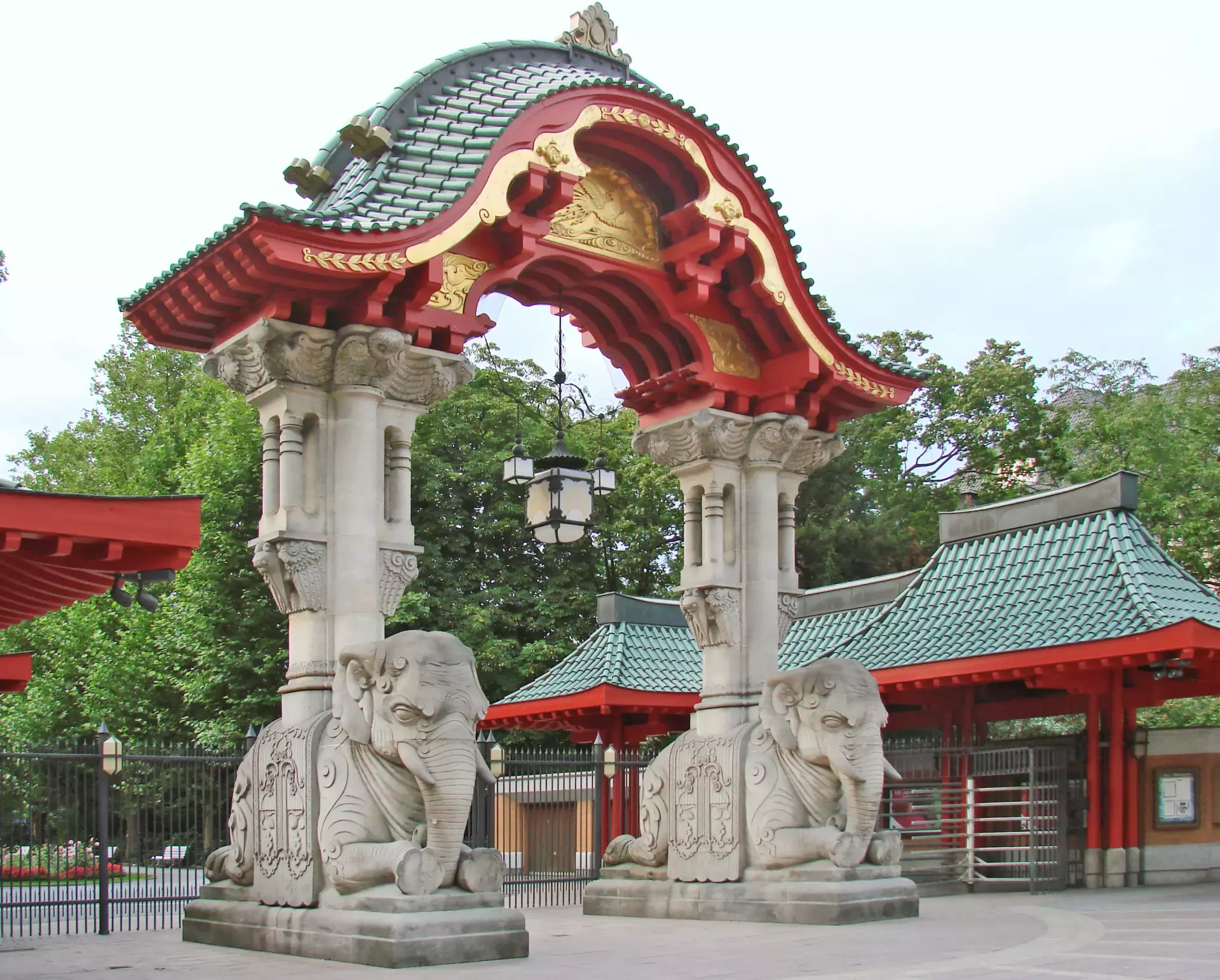
The largest zoo in the world, both in terms of number of species (1500) and animal population (14,000). It is especially famous for its pandas. The Elephant Gate (Budapester Straße), one of the two entrances and next to the Aquarium, is a traditional photo stop for most visitors because of the architecture.
Berlin's oldest church (1230) is a 3-nave hall church. It is in the centre of an area destroyed by bombs in the war which was then turned into a faux "old town" by the East German authorities called Nikolaiviertel. The area is more a hodge-podge of relocated buildings than an authentic reproduction, and the newly-built 1988 apartments that attempt to "harmonize" with the older buildings are embarrassing. The church is one of the only structures that was renovated rather than rebuilt. It is best known for a sandstone sculpture called the Spandauer Madonna (1290), but there are other interesting pieces here. When the church was destroyed in 1938 and rebuilt in the 1970s, the communist officials intended to use it as a museum, which did not open until 1987. The museum includes sacred textiles and religious sculpture from the fourteenth to the sixteenth centuries. The Nikolaikirche is the showplace of the Nikolaiviertel, which isn't saying much.
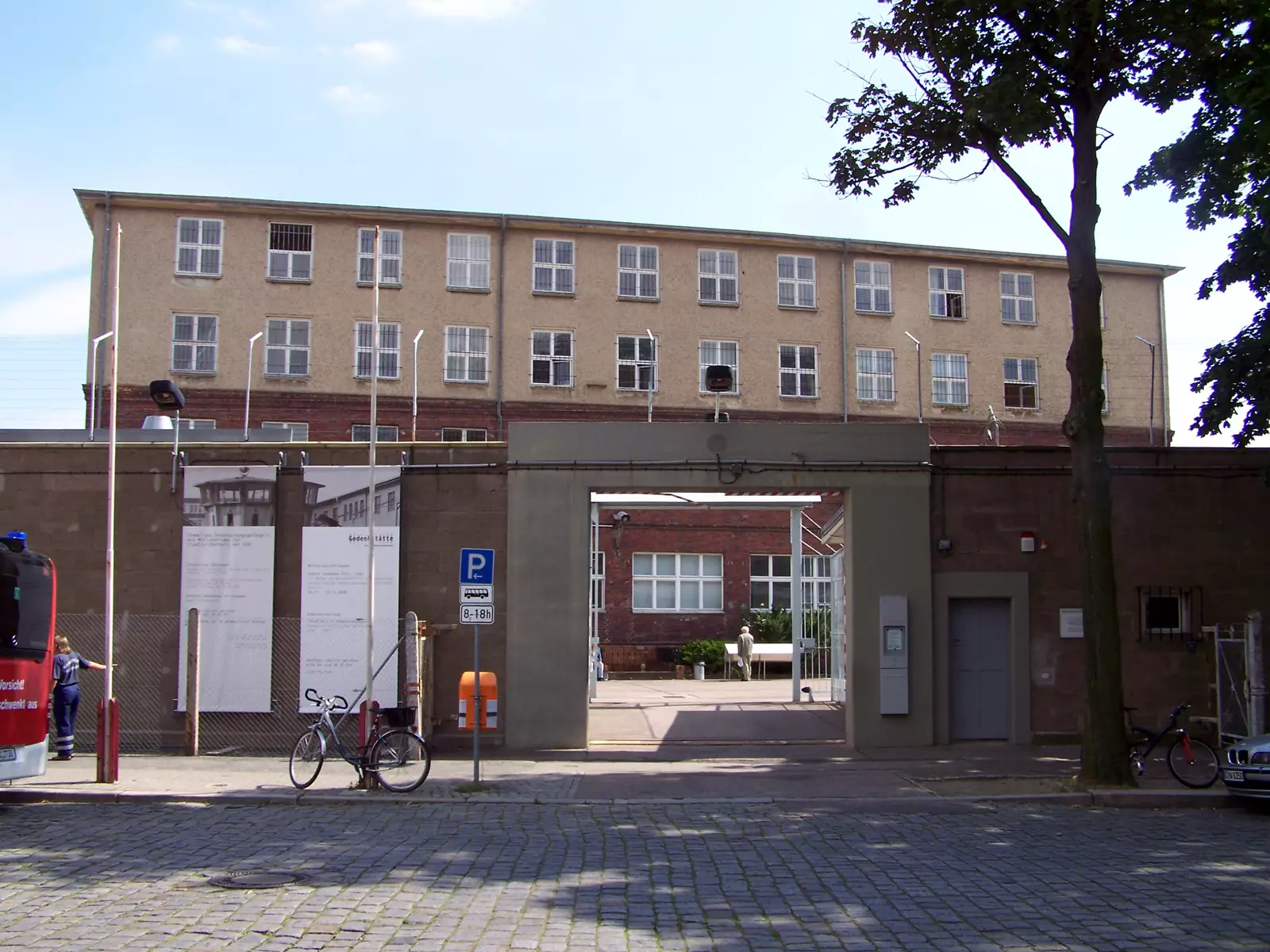
Experience the Stasi Secret Police Prison first-hand. Tours are compulsory. Some of the tours are done by former inmates.
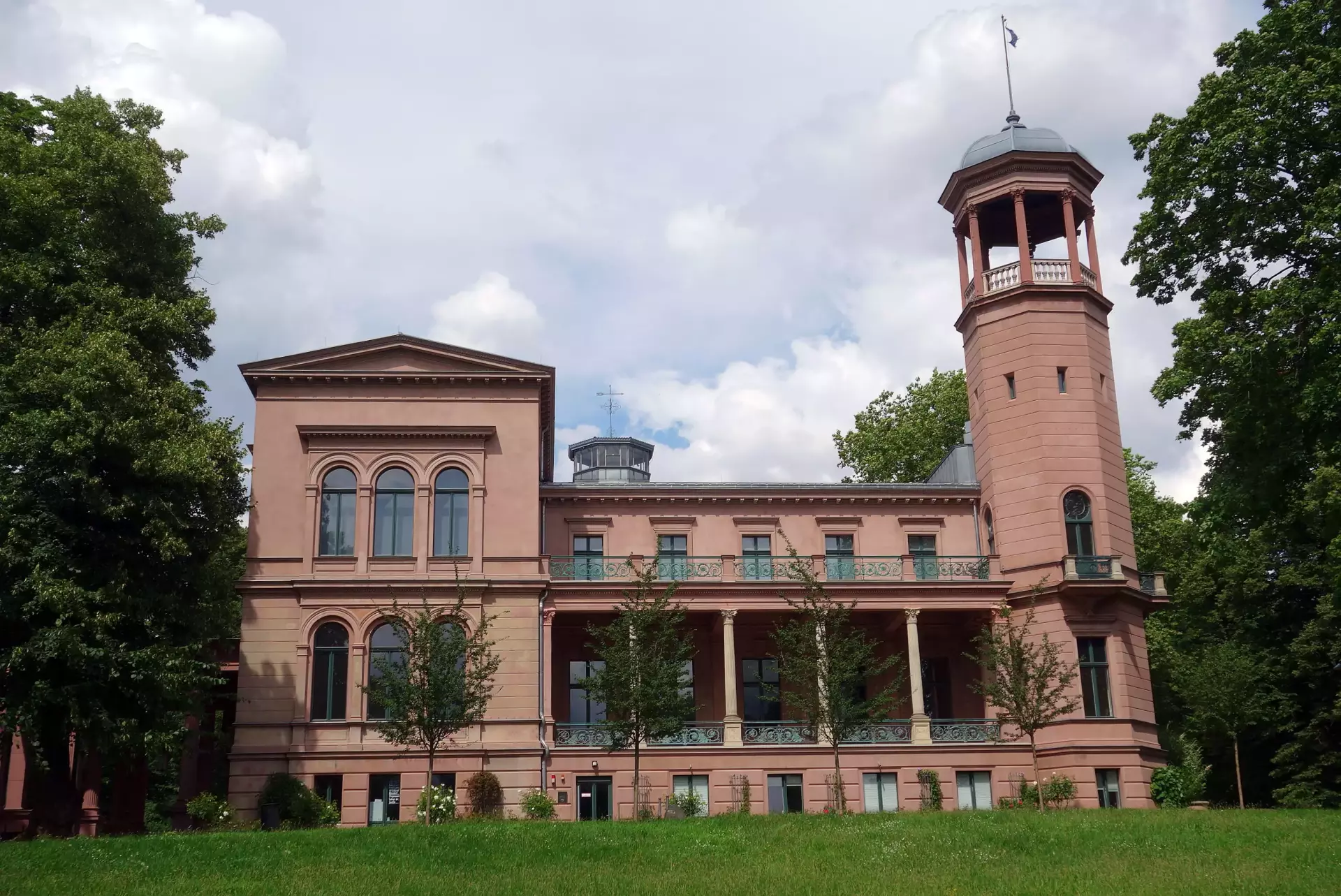
A small castle in late classical style. It was built 1868 by Martin Gropius (uncle of the Bauhaus-founder and other architects, the von Siemens family changed the castle a bit around 1900 and they enlarged the dimensions of the park, which is today renovated and nice to wander around when the sun is shining. Located within a few minutes' walking distance from Biesdorf station (take the S5 from the city centre) or Elsterwerdaer Platz station (U5).
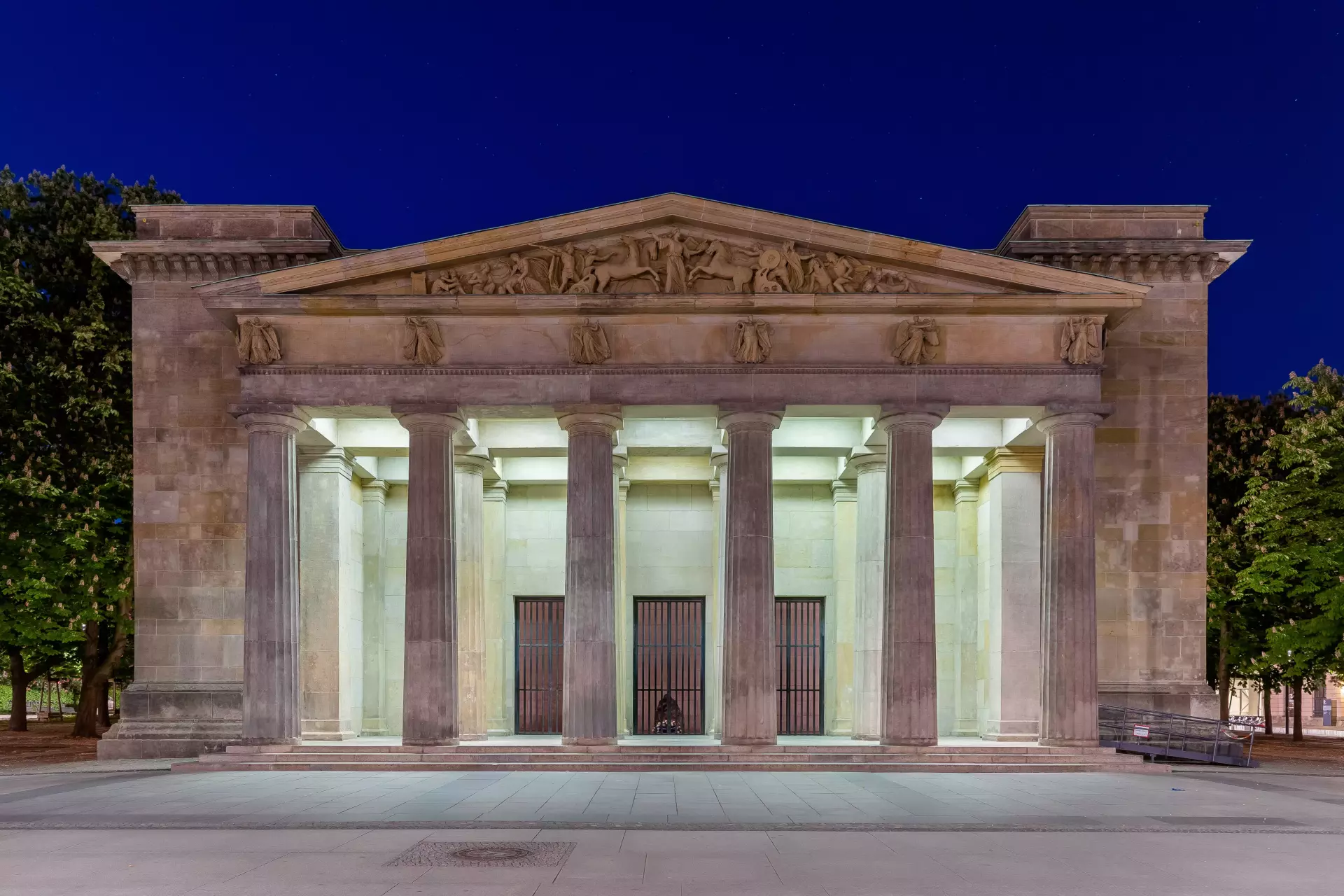
Erected in 1818 to a classically-inspired design by Karl Friedrich Schinkel as a guardhouse for the imperial palace, since 1993 this compact building has housed a small, but extremely powerful war cenotaph, the Central Memorial of the Federal Republic of Germany, continuing its use under East German rule as the primary "Memorial to the Victims of Fascism and Militarism". The interior of the Doric column-fronted building is intentionally empty, but for a small but moving sculpture by Käthe Kollwitz depicting a mother cradling a dead child. The statue is positioned beneath a round hole in the ceiling, exposing the figures to the rain and snow.
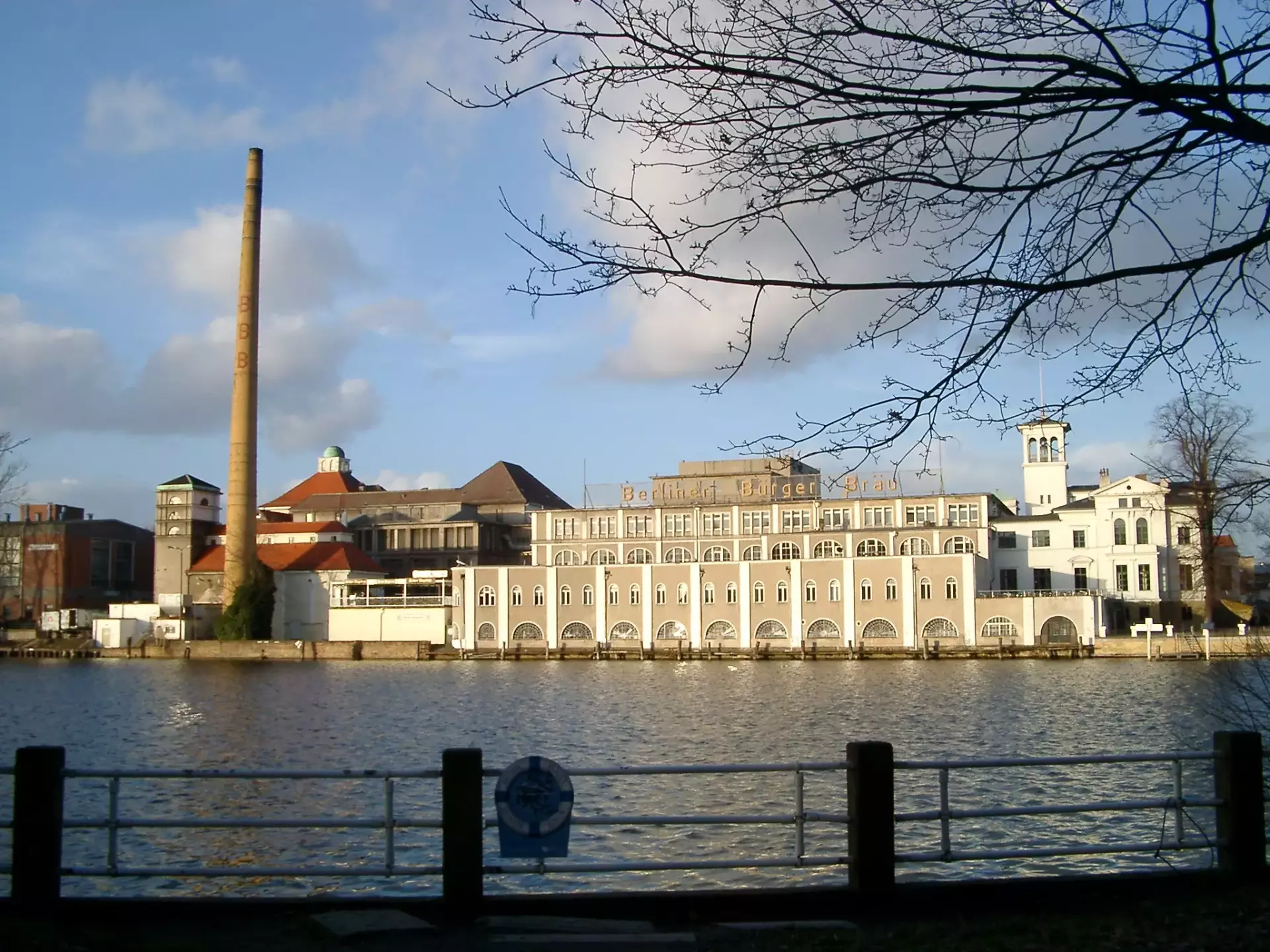
The building of one of Berlin’s oldest breweries is a ravishingly beautiful and heritage-protected industrial monument.
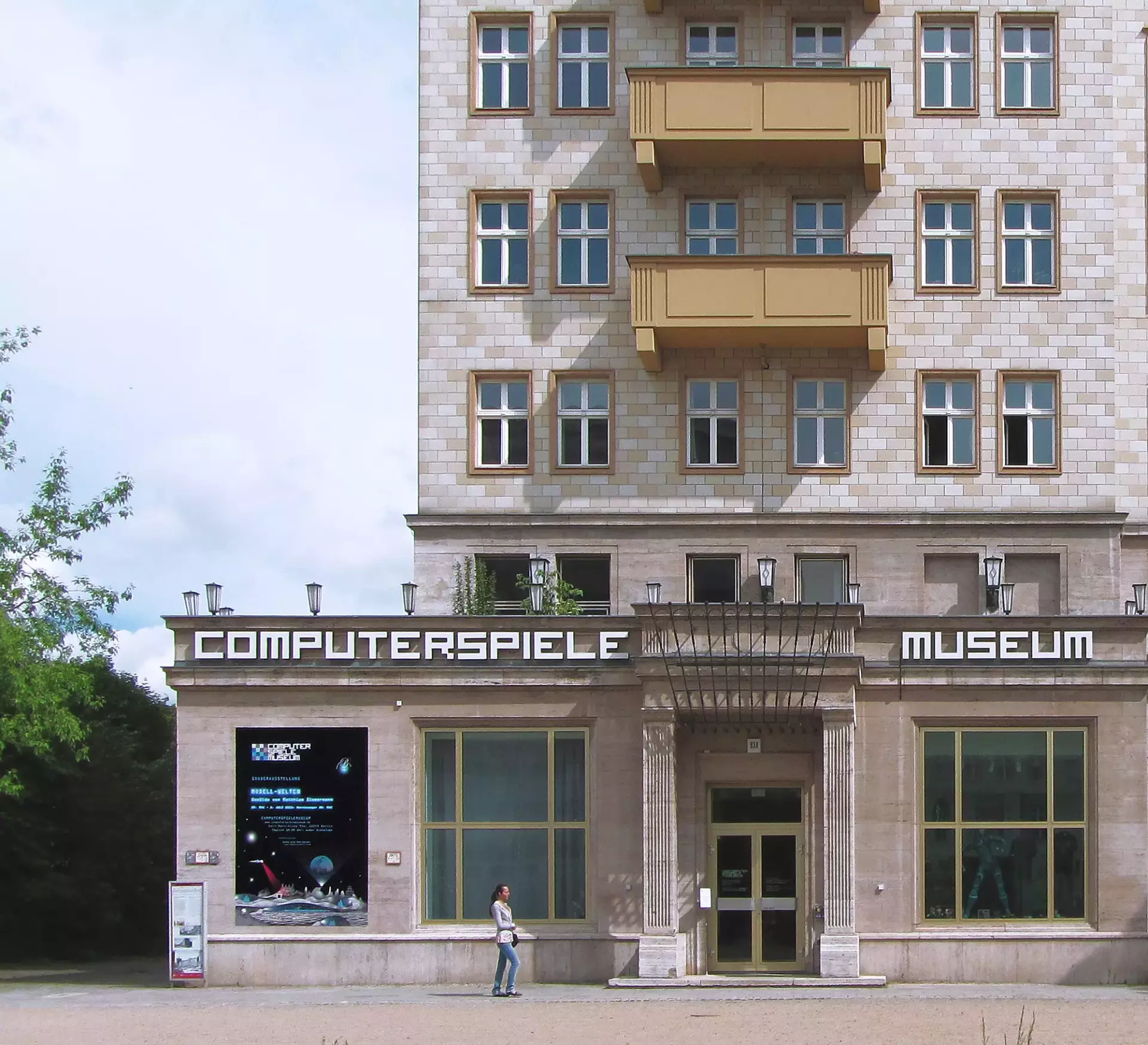
Exhibition of digital interactive entertainment culture. You can actually play almost all of the exhibits making it a more "hands on" museum than most.
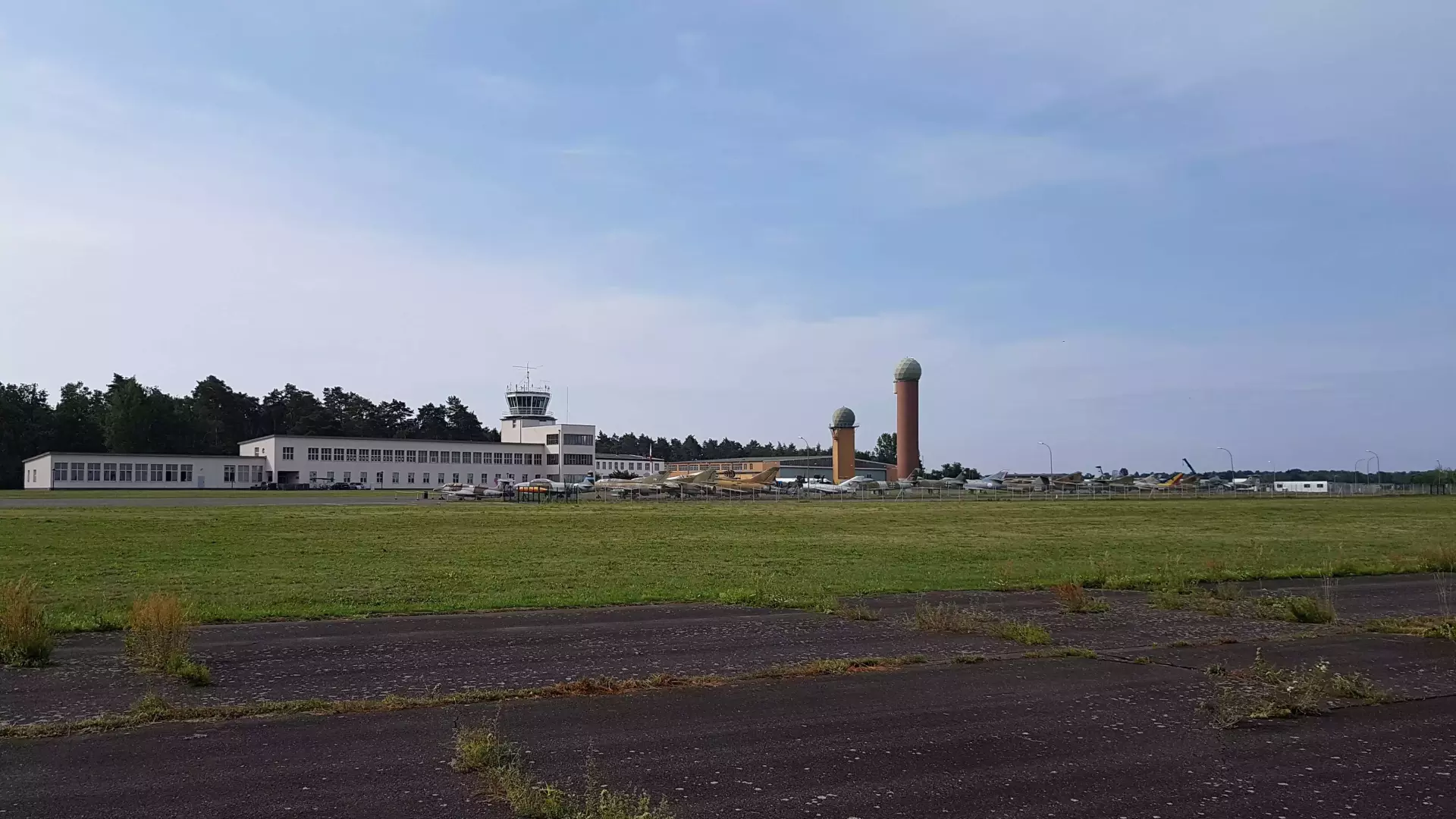
At a former Luftwaffe and Royal Air Force (RAF) airfield, RAF Gatow. The museum's focus is on military history, particularly the history of the Luftwaffe of the Bundeswehr, with a collection of more than 200,000 items, including 155 aeroplanes, 5,000 uniforms and 30,000 books. There are also displays (including aeroplanes) on the history of the airfield when it was used by the RAF. Aircraft include reproductions of Otto Lilienthal's gliders, of World War I planes such as the Fokker E.III, and World War II planes such as the Bf 109 and Me-262, as well as at least one aircraft of every type ever to serve in the air forces of East and West Germany. Most of those postwar aircraft are stored outside on the tarmac and runways, however, and many are in bad condition. There are long term restoration projects, including a Focke-Wulf Fw 190. RAF Gatow is notable as the "missing third airport" of West Berlin. Each sector used to have its own airport; the French sector had Tegel, the American sector had Tempelhof and the British had Gatow. However, RAF Gatow never saw much traffic of any kind, was more kept as a political statement than for transportation value, and thus was shut down after reunification. Tempelhof, after having been shut down for civilian traffic from 1975 to 1981, closed for all flights in 2008, while Tegel shut down in November 2020.
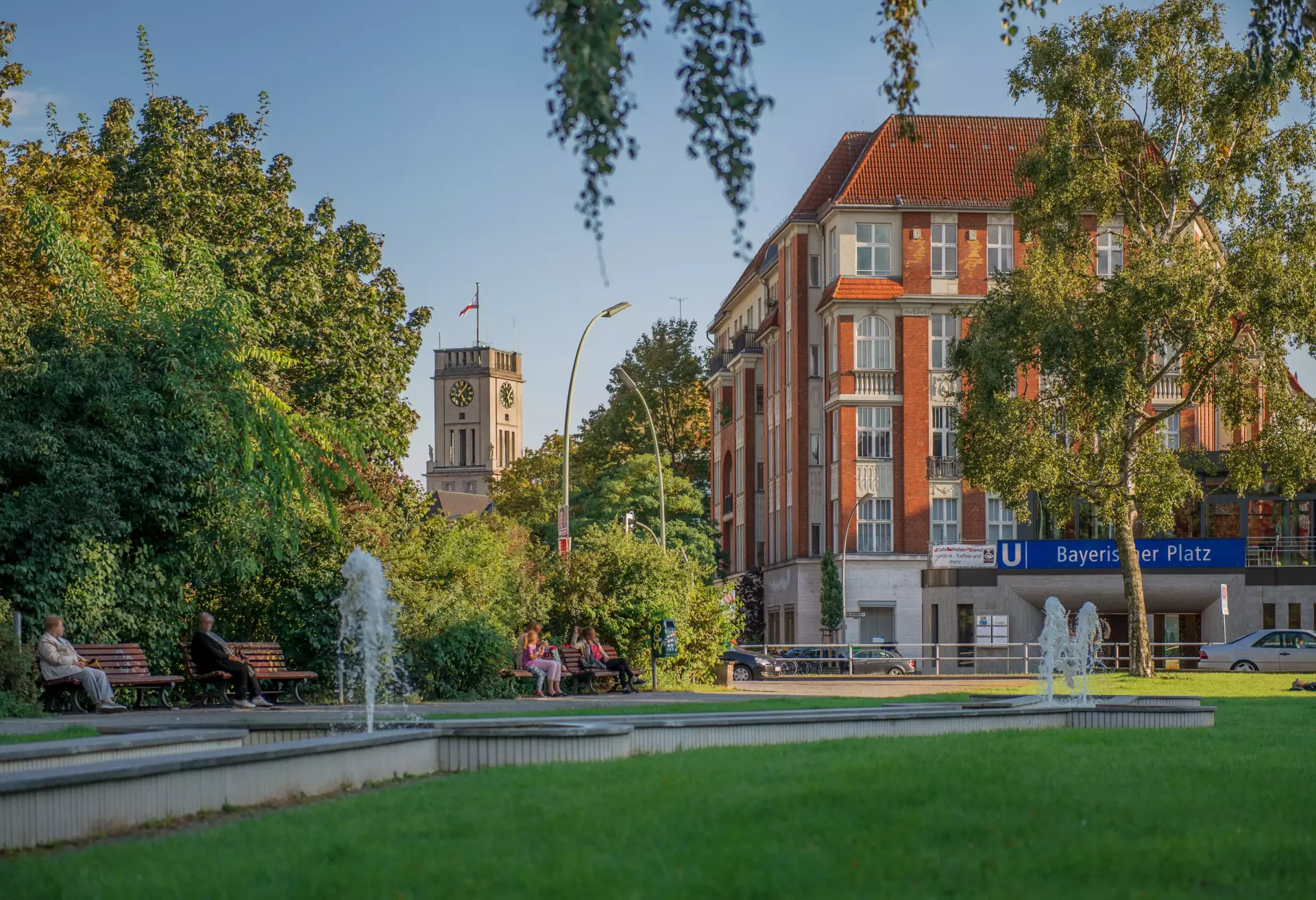
The Bayerischer Platz is the centre of the Bayerisches Viertel ("Bavarian district", with many streets named after Bavarian cities), which was destroyed a lot more during World War II (about 60%). Somewhere around there Albert Einstein lived once. You’ll find several memorial signs providing information about the Nazi regime's persecution of gays and Jews.