
Tourist attractions in Paris
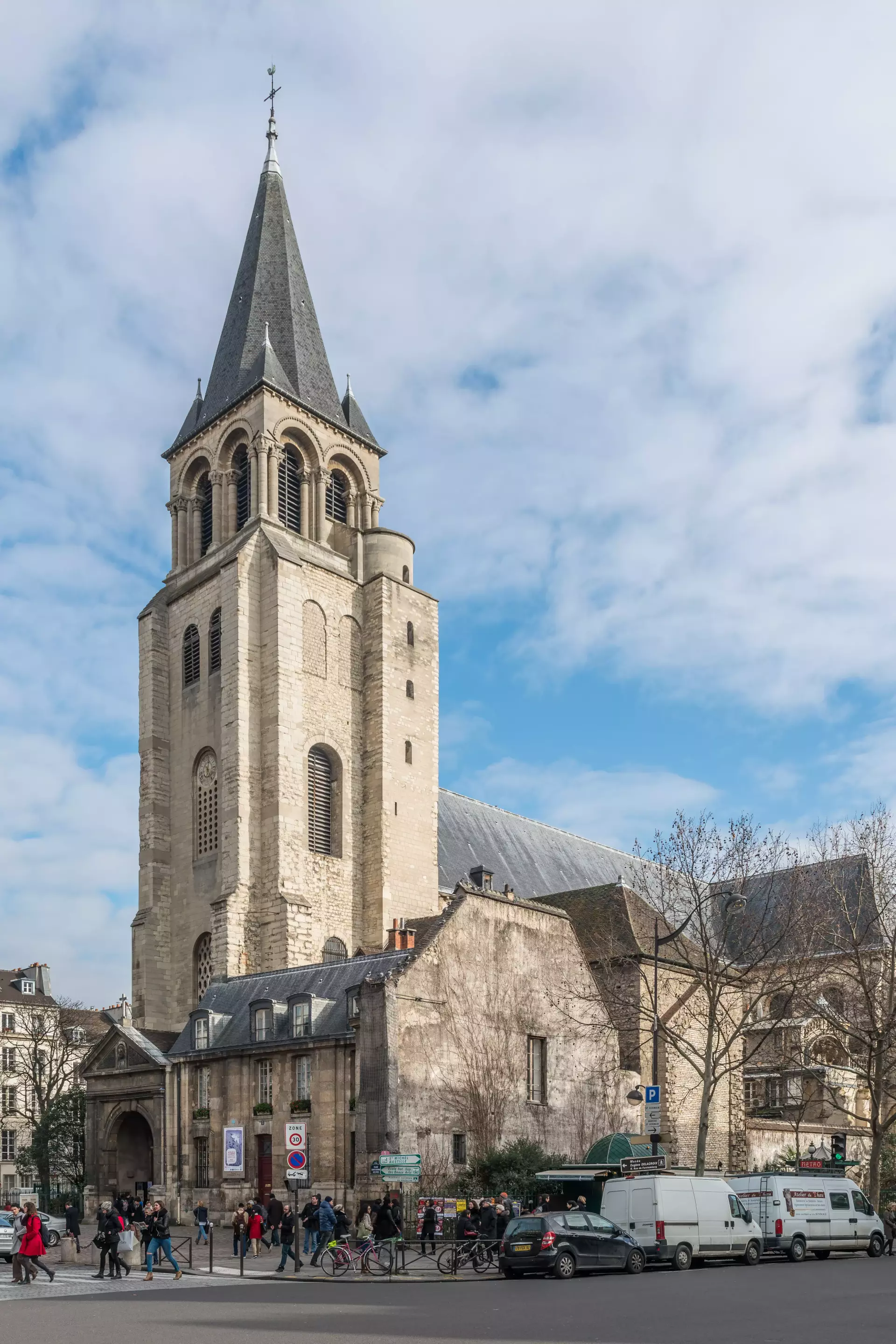

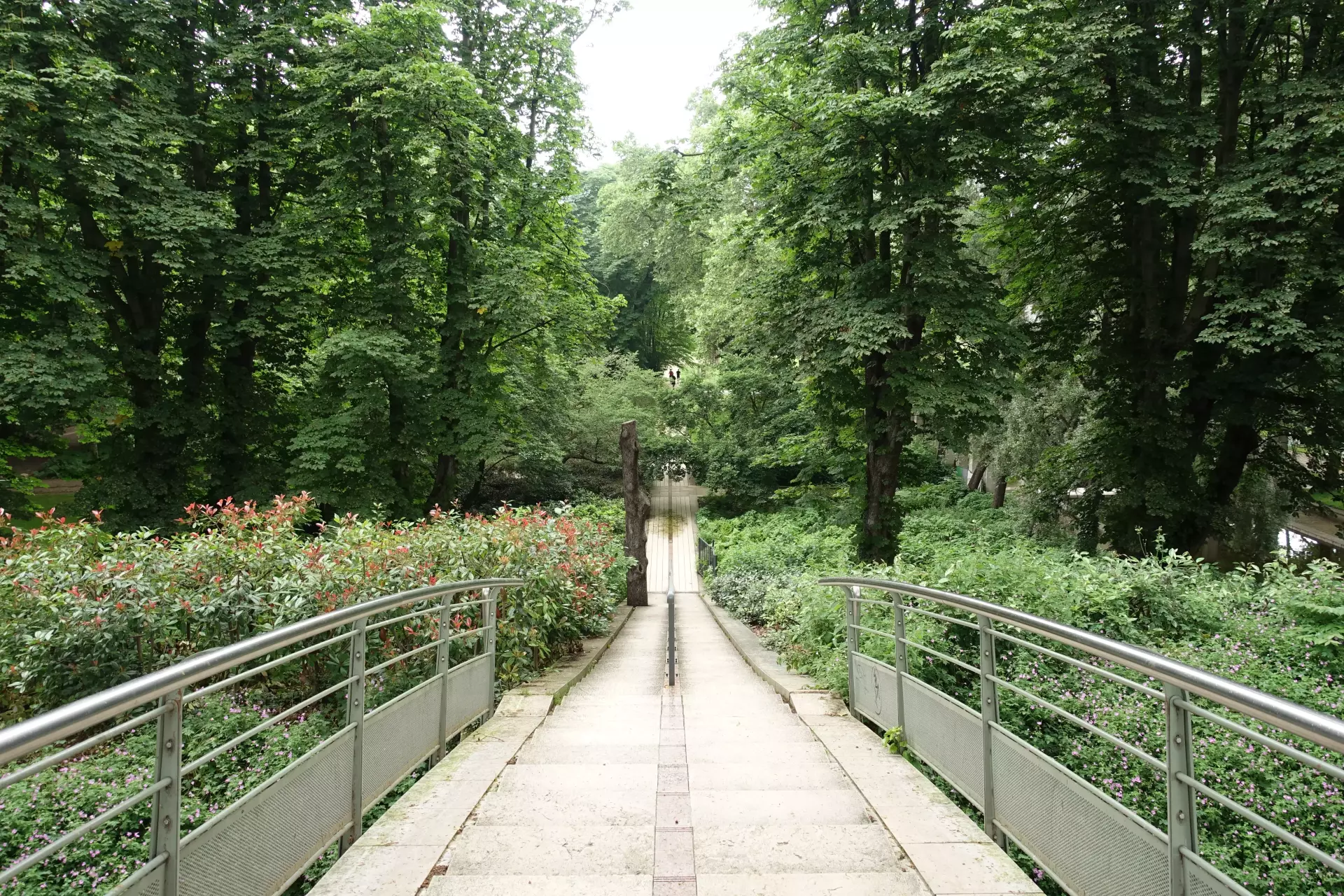

Abbey of Saint-Germain-des-Prés
Paris, FranceThe oldest church in Paris, founded in the year 542 by King Childebert. The church as it exists today dates mainly from the 11th century, the period in which it became the center of a powerful Benedictine abbey. The Revolution witnessed the suppression of the abbey in 1794, when most of the monastic buildings were put to the torch. Earlier, 318 priests had been hacked to death nearby by a mob on 3 September 1792. The church underwent significant restoration in the 19th century, ensuring the preservation of the building, which by that date represented a fascinating mix of styles: 6th century marble columns placed alongside Gothic vaults and supported by Romanesque arches. Famous burials within the church include René Descartes (philosopher), Nicolas Boileau (poet) and King John Casimir of Poland, who had become (in 1669, before his death) abbot of the church's monastery.

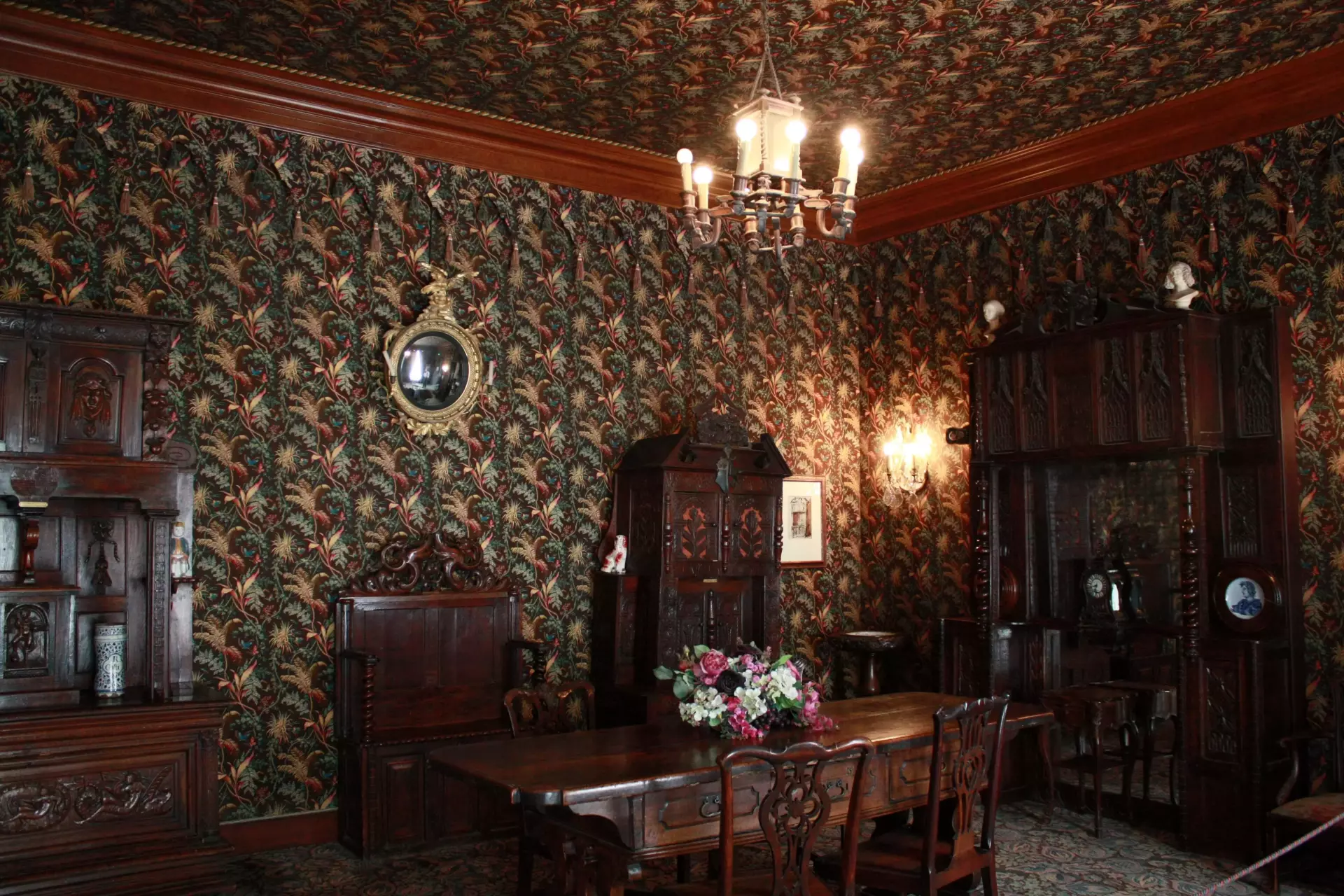
Maison de Victor Hugo
Paris, FranceThe house in which the famous French novelist Victor Hugo once lived.

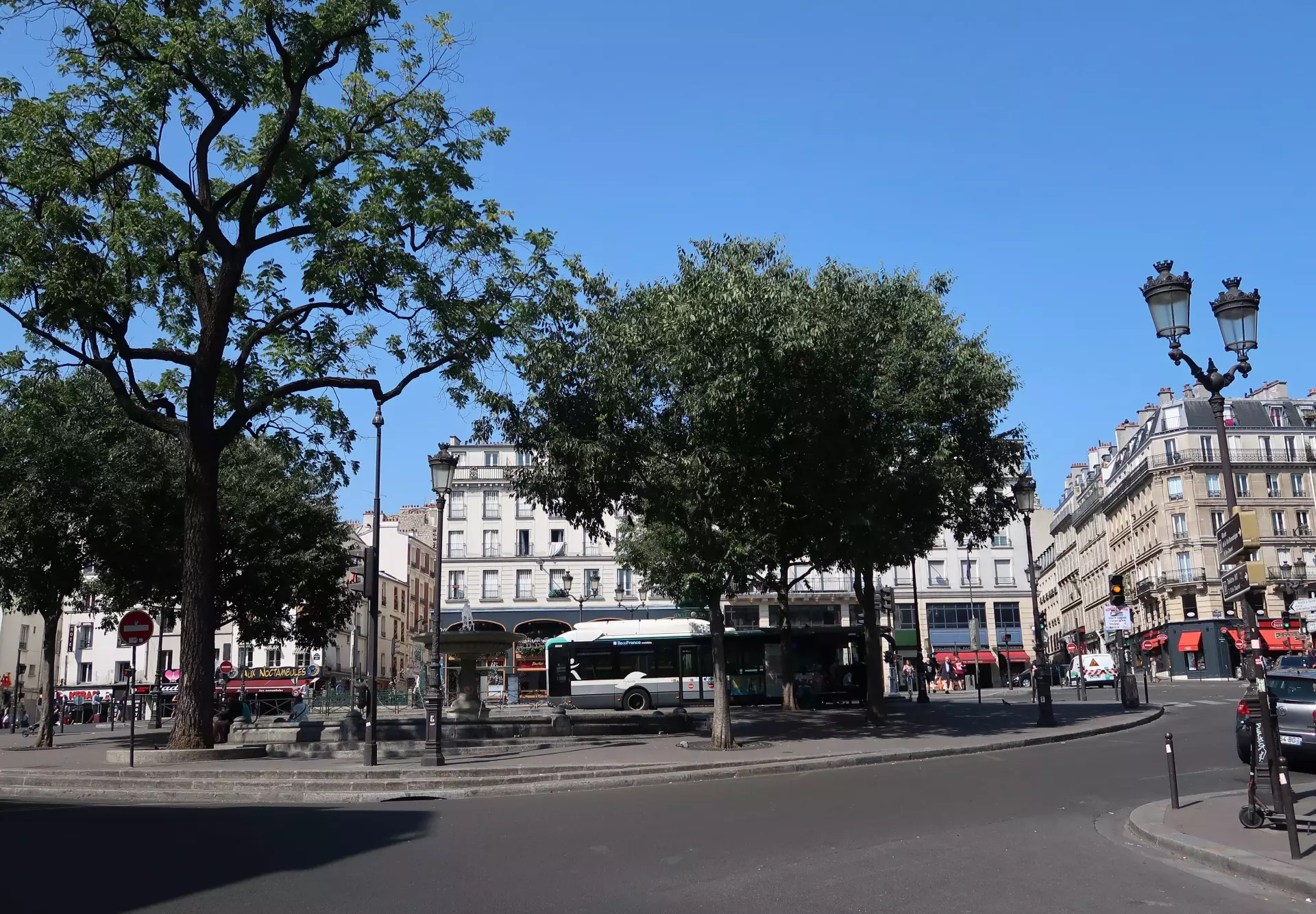
Place Pigalle
Paris, FranceThe sleaze of boulevard de Clichy between place Pigalle and place Blanche can provide a moment of distraction. Be warned if you are male it is better to do this in the company of a female fellow traveller, as the clubs often send the girls outside to attempt to physically drag passing men off of the street. These strip clubs are big ripoffs. They tempt you with a free drink for €10 entry; once in the girl who starts dancing orders a couple of drinks (Red Bull) and then before you realise you are presented with a bill ranging from €500-700. They have these big bouncers who threaten/manhandle you till you arrive at some settlement with them. The whole of Pigalle is a rip off, best avoided. The police know about these places but nothing is done.

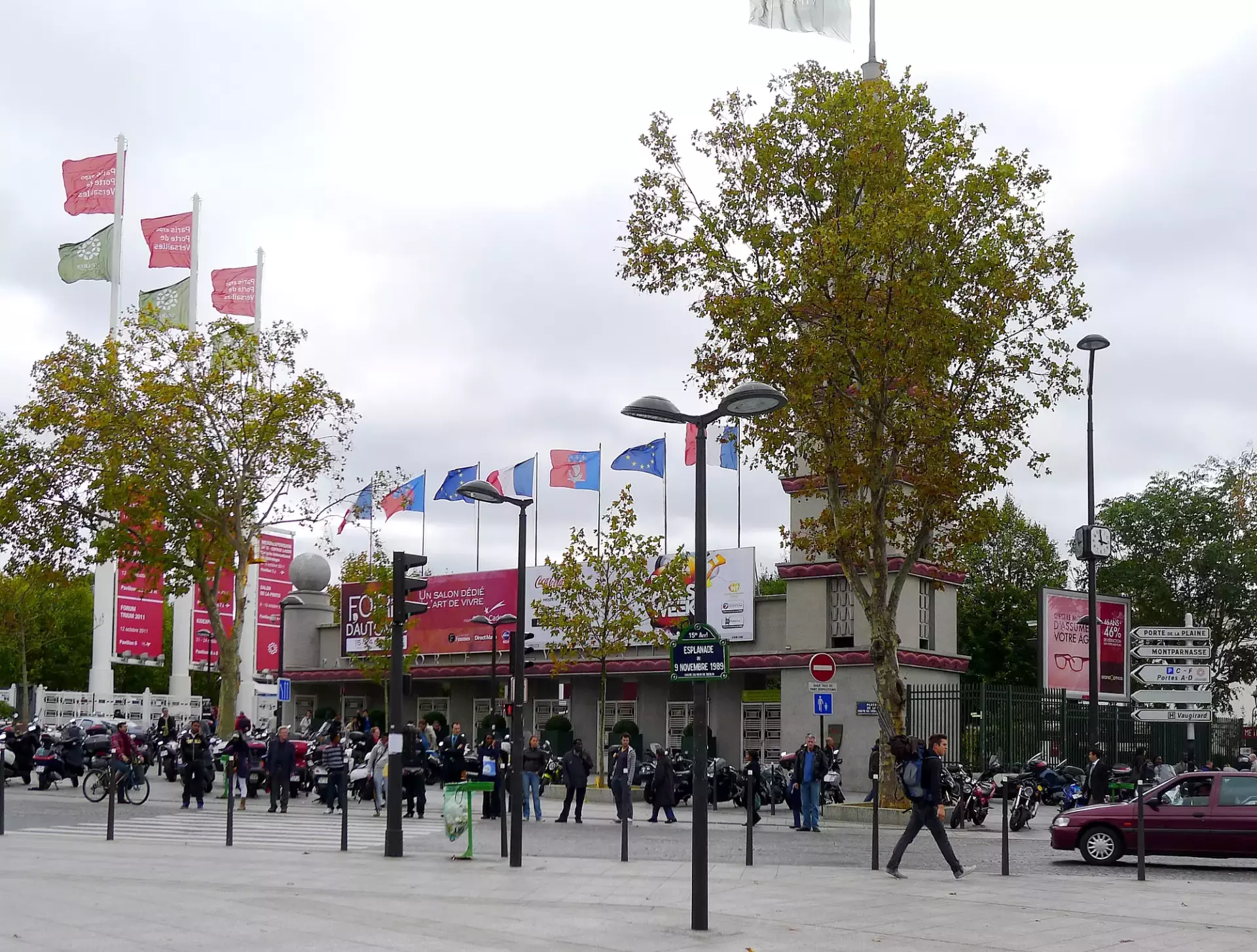
Paris Expo Porte de Versailles
Paris, FranceParis's international exhibition centre (the 4th largest in Europe) has millions of visitors annually.

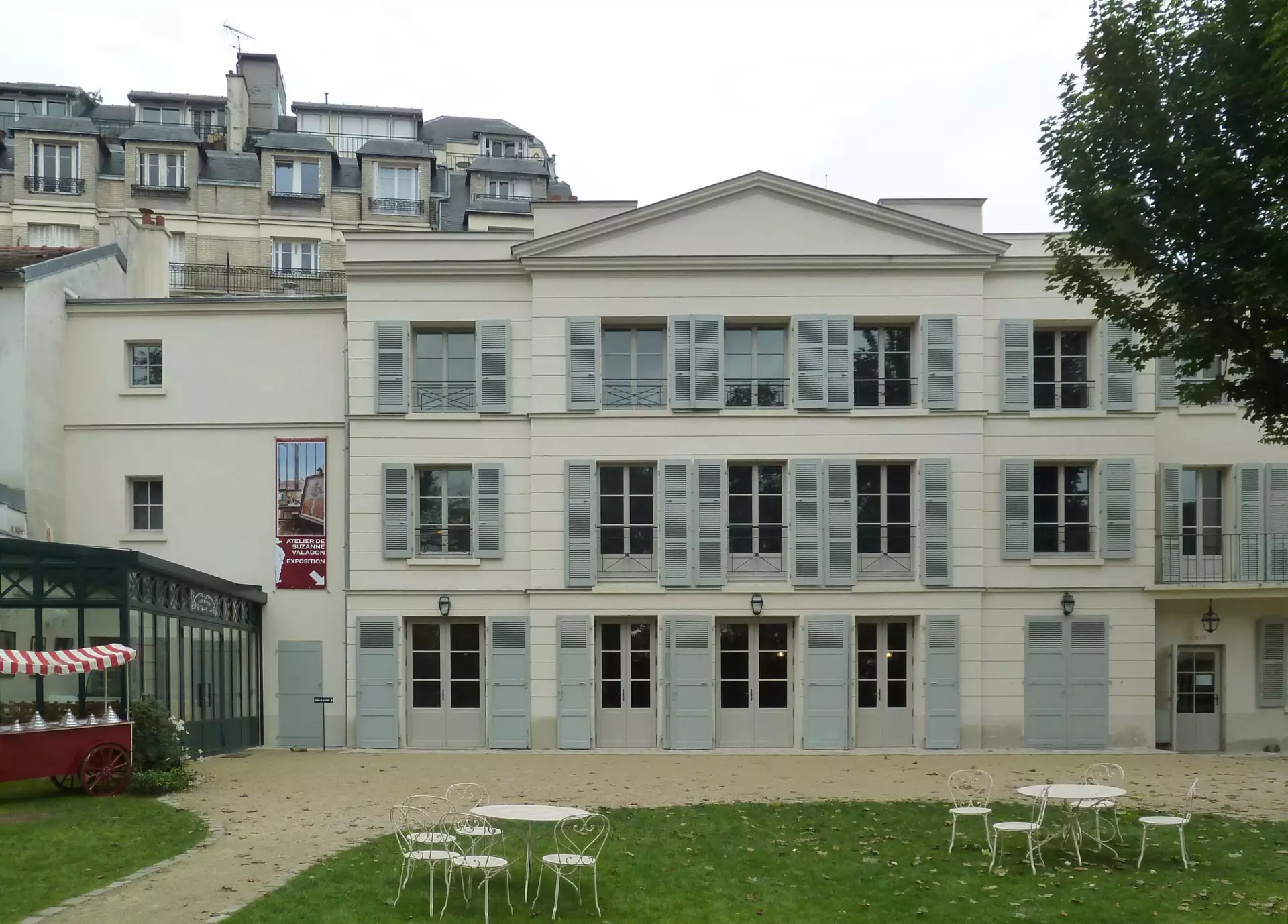
Musée de Montmartre
Paris, FranceThe museum is located in a 17th century house with a garden, and features the history and culture of Montmartre. Several famous artists had lived in the house including Renoir.

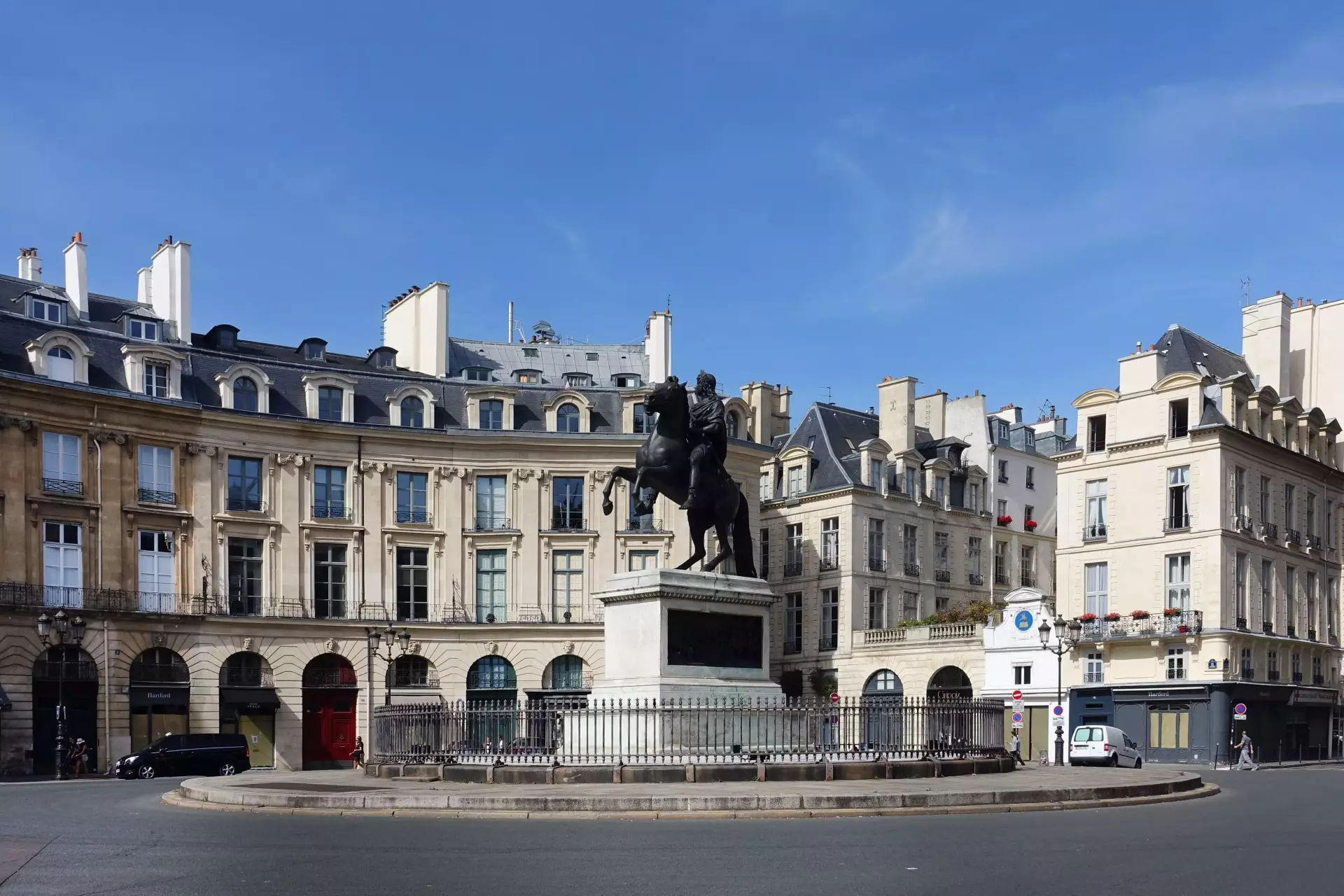
Place des Victoires
Paris, FranceBeautiful round "square" with an equestrian statue of King Louis XIV and matching 17th century buildings.

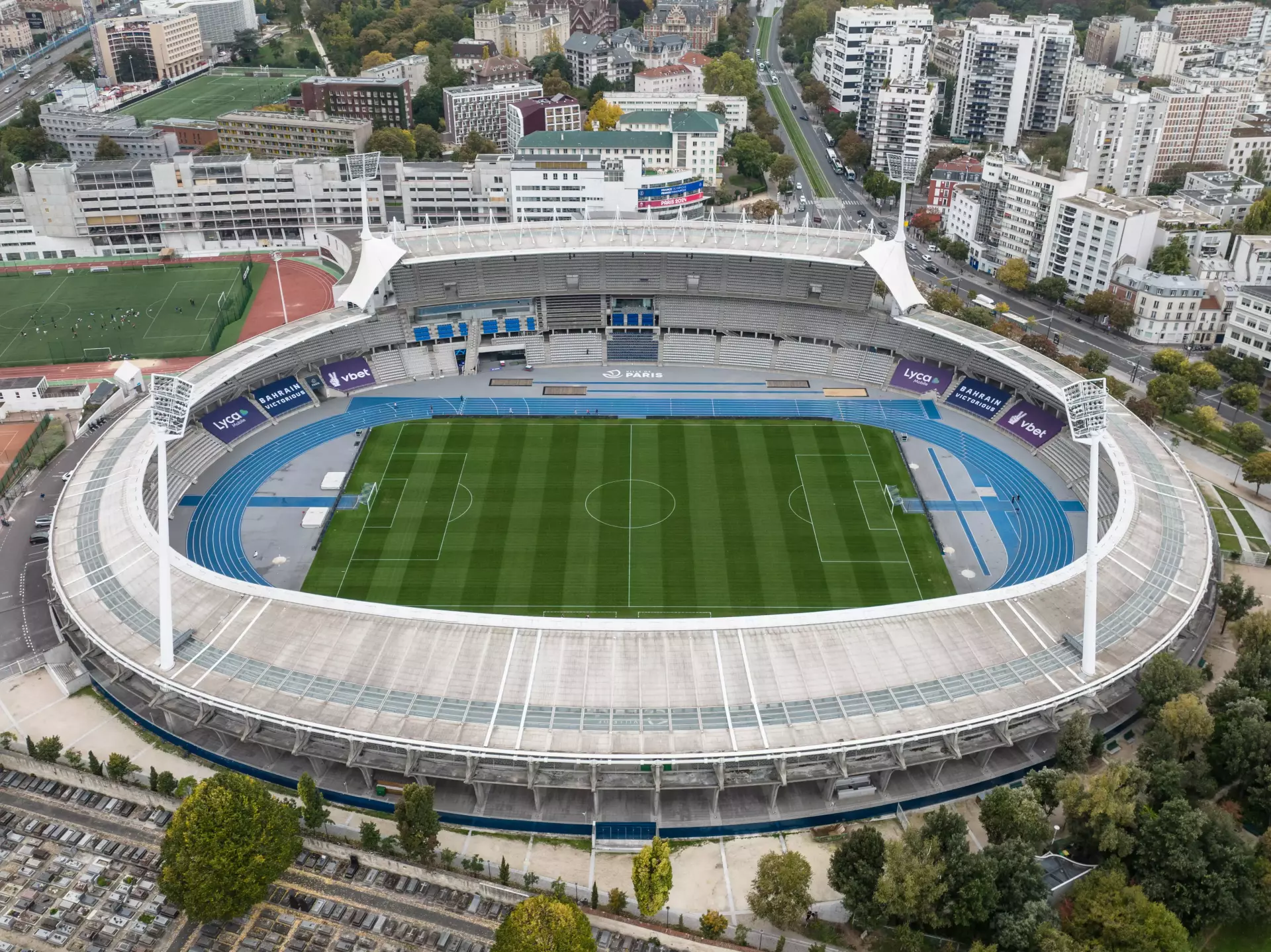
Stade Charléty
Paris, FranceThe Stade Charlety is a massive multi-sport arena, hosting football (soccer), tennis, rugby and squash matches.

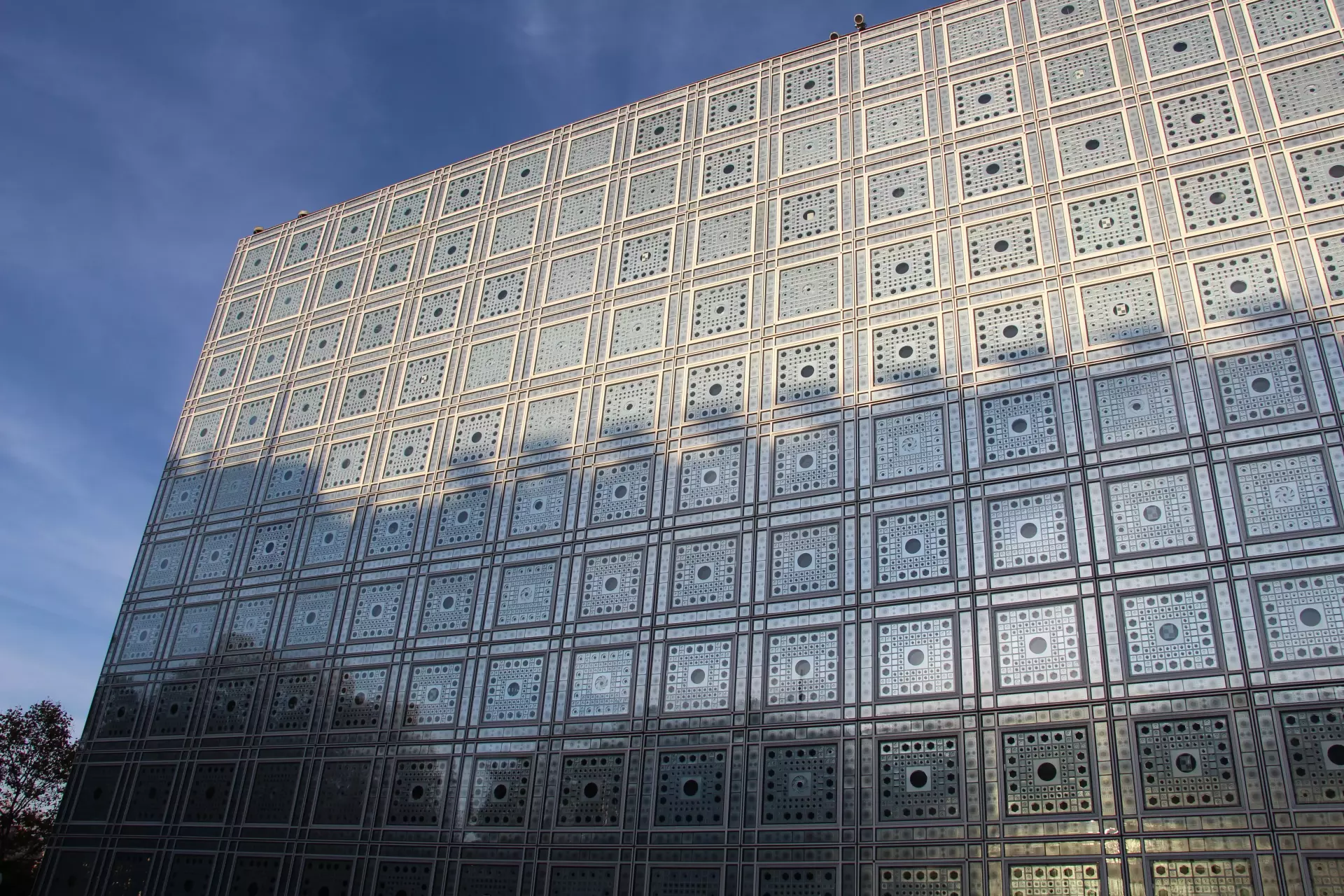
Arab World Institute
Paris, FranceThe building has a freely accessible rooftop which allows for a beautiful bird's-eye view of the northern half of Paris.

Musée de l'Armée
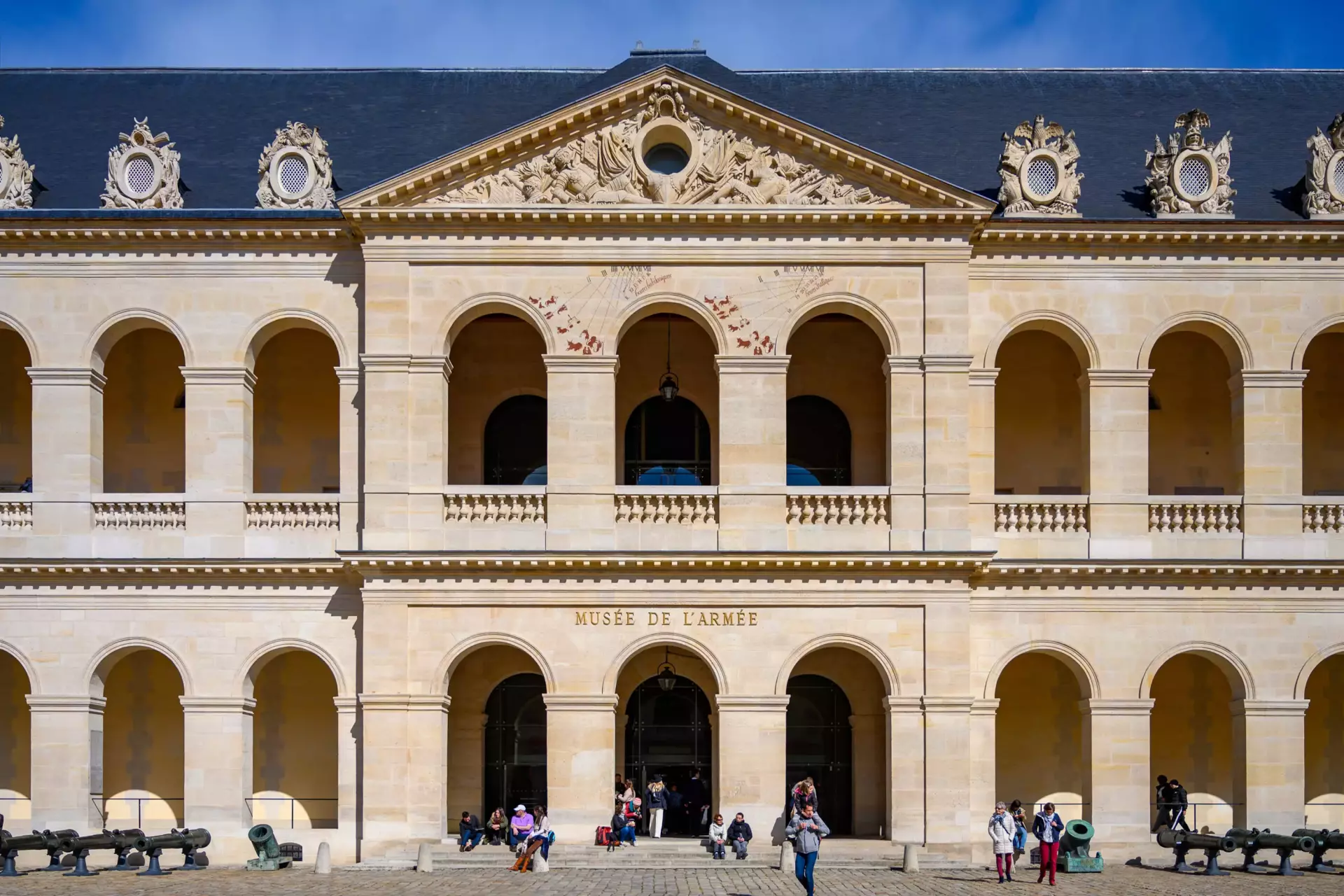
Paris, FranceThis museum is in the historic Invalides complex and presents the history of the French Army. It is co-located with Napoleon Bonaparte's tomb (entry to which is included in the ticket price). Most of the exhibitions are very old fashioned, and the coverage of the First World War is surprisingly limited. A highlight is the Musée des Plans-Reliefs, which displays painstakingly accurate models of French fortresses and includes its own shop.

Musée Curie
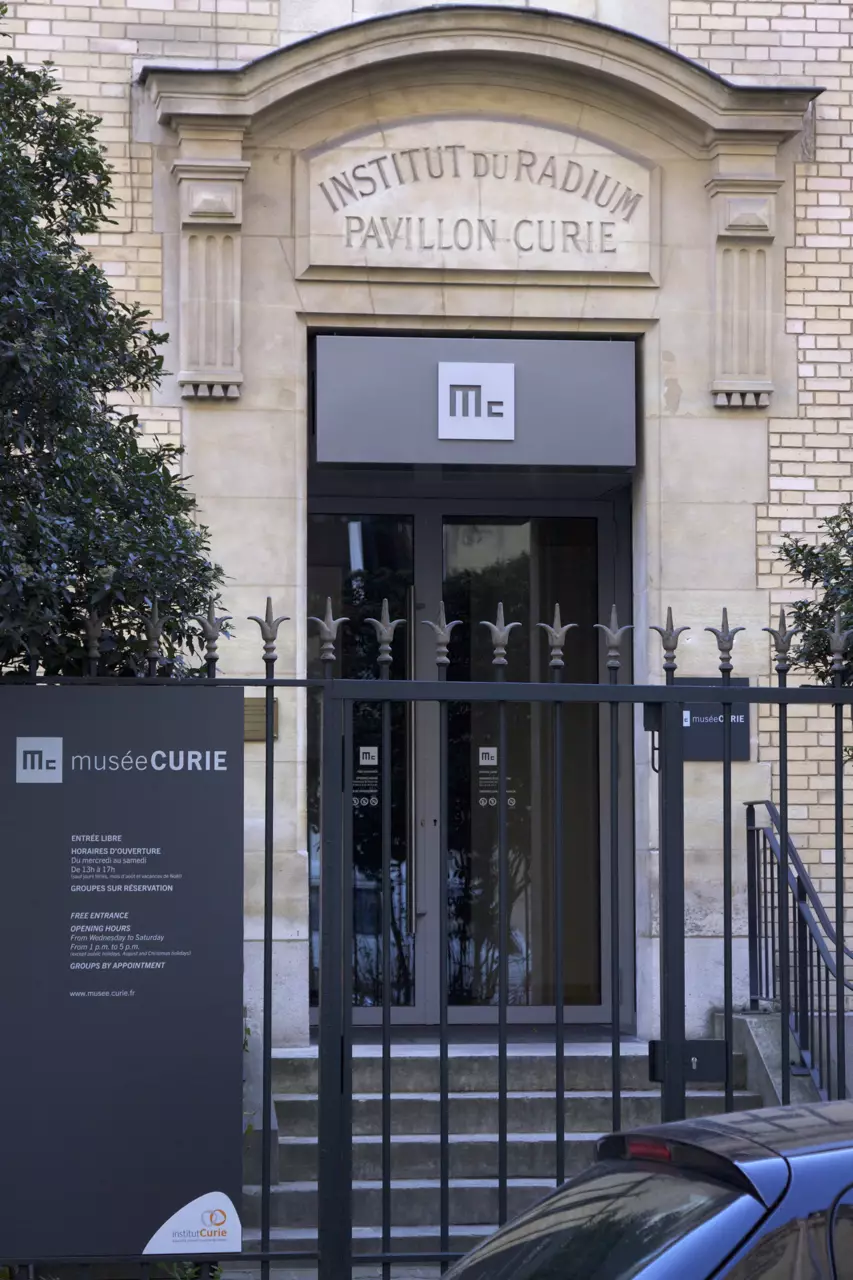
Paris, FranceThis charming scientific museum preserves the offices and laboratories of Pierre and Marie Curie, pioneers in the discovery of radioactivity. Their instruments, equipment, and furniture is arranged as it was during their critically important research. Guided tours in English available.

Galerie nationale du Jeu de Paume
Paris, France
Pont Mirabeau
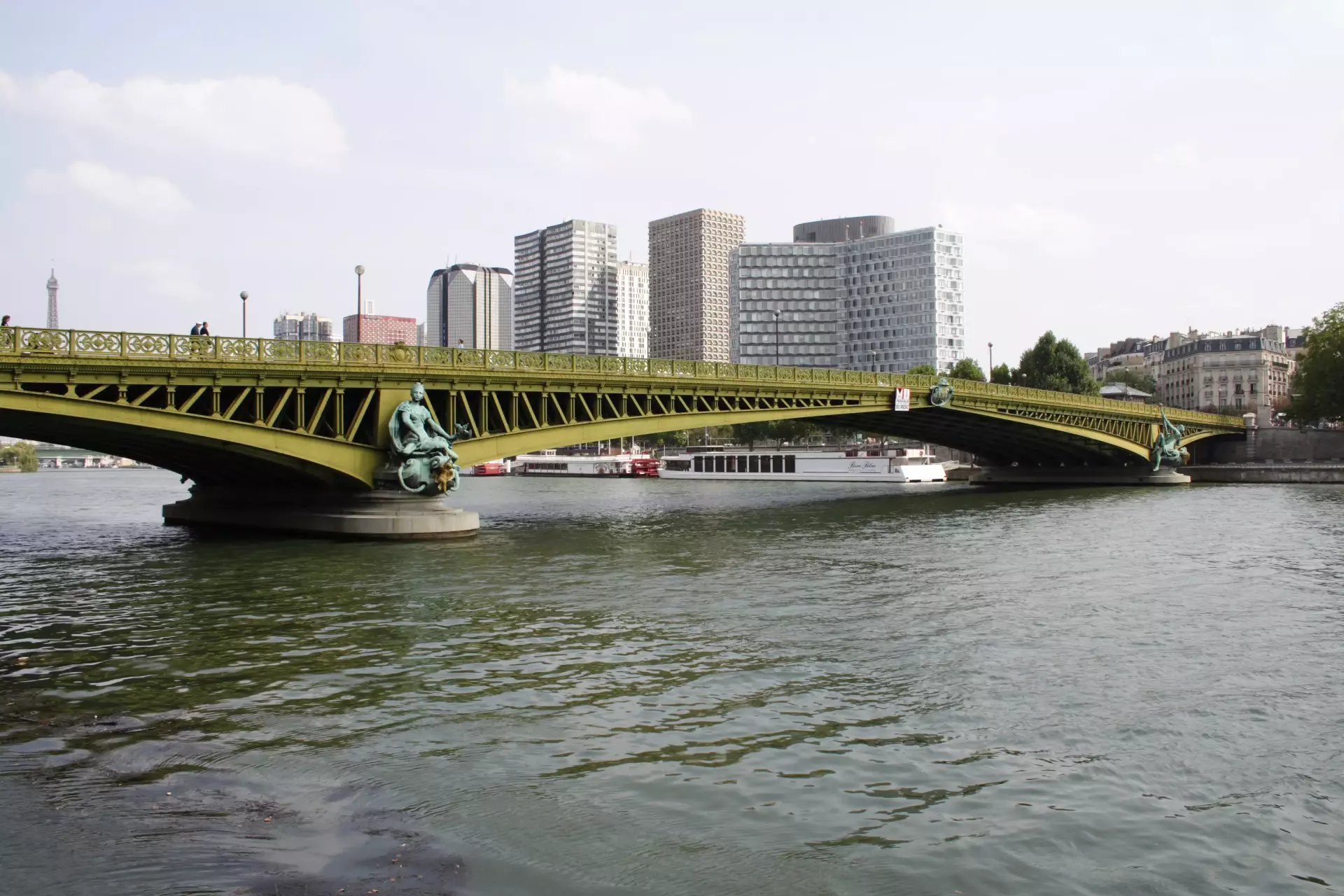
Paris, France19th-century bridge.
Palais de la Découverte
Paris, FranceCLOSED UNTIL 2025 FOR RENOVATION WORKS. Located in a magnificent the western wing of the Grand Palais, this museum forms a part of science-themed education-oriented universcience establishment together with the La Cite des Sciences in La Villette. In the Palais, you will find two large floors with rooms dedicated to different branches of science, including physics, chemistry, mathematics and life-sciences, as well as a planetarium.

Avenue des Champs-Élysées
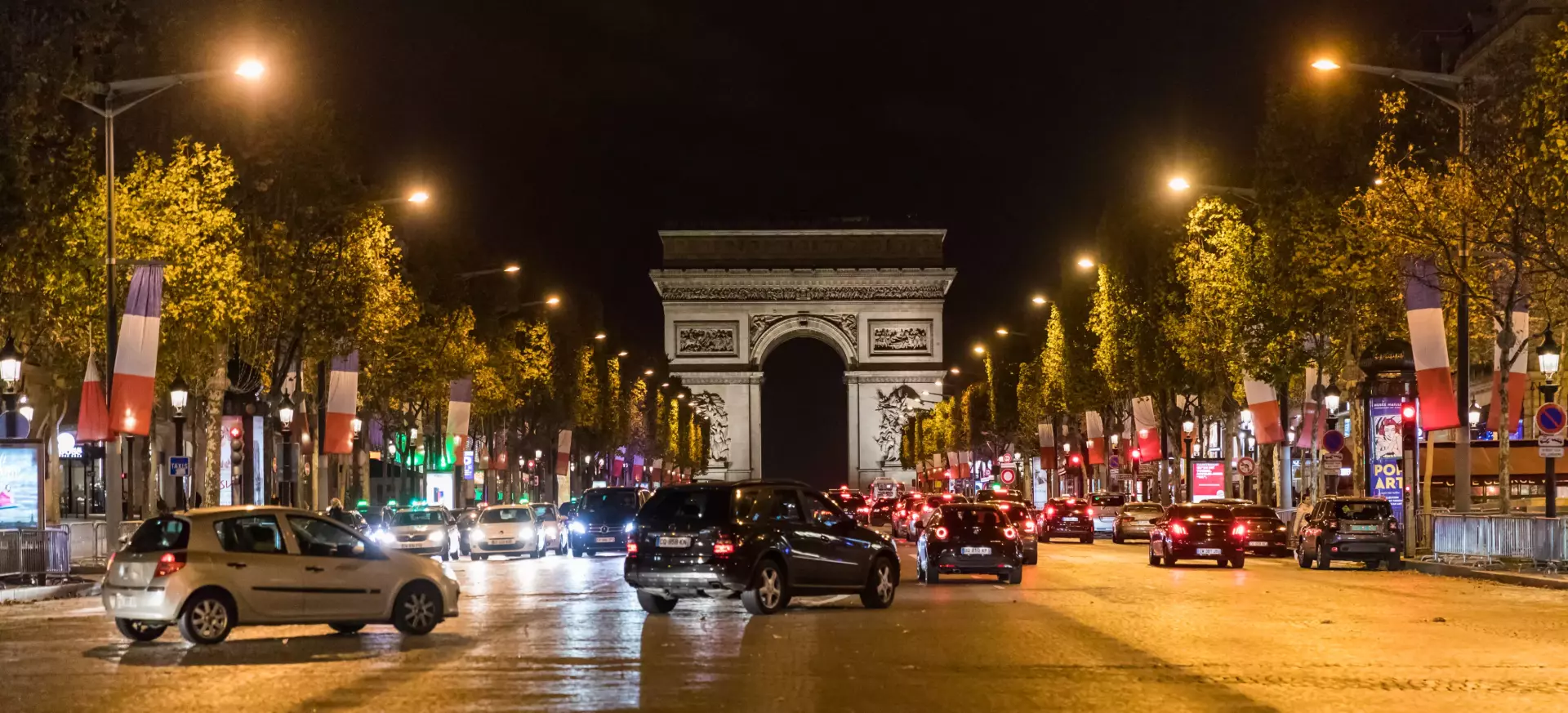
Paris, FranceFor many visitors one of the must-see places in Paris is the Avenue des Champs-Elysées which was first created in 1667 by Louis XIV's gardener, Andre Le Nôtre, in order to improve the view from the Tuileries garden. This elegant and broad avenue was extended towards the end of the 18th century, now running from the place de la Concorde to the Arc de Triomphe. It is noted today as one of the most prestigious shopping boulevards of Paris.

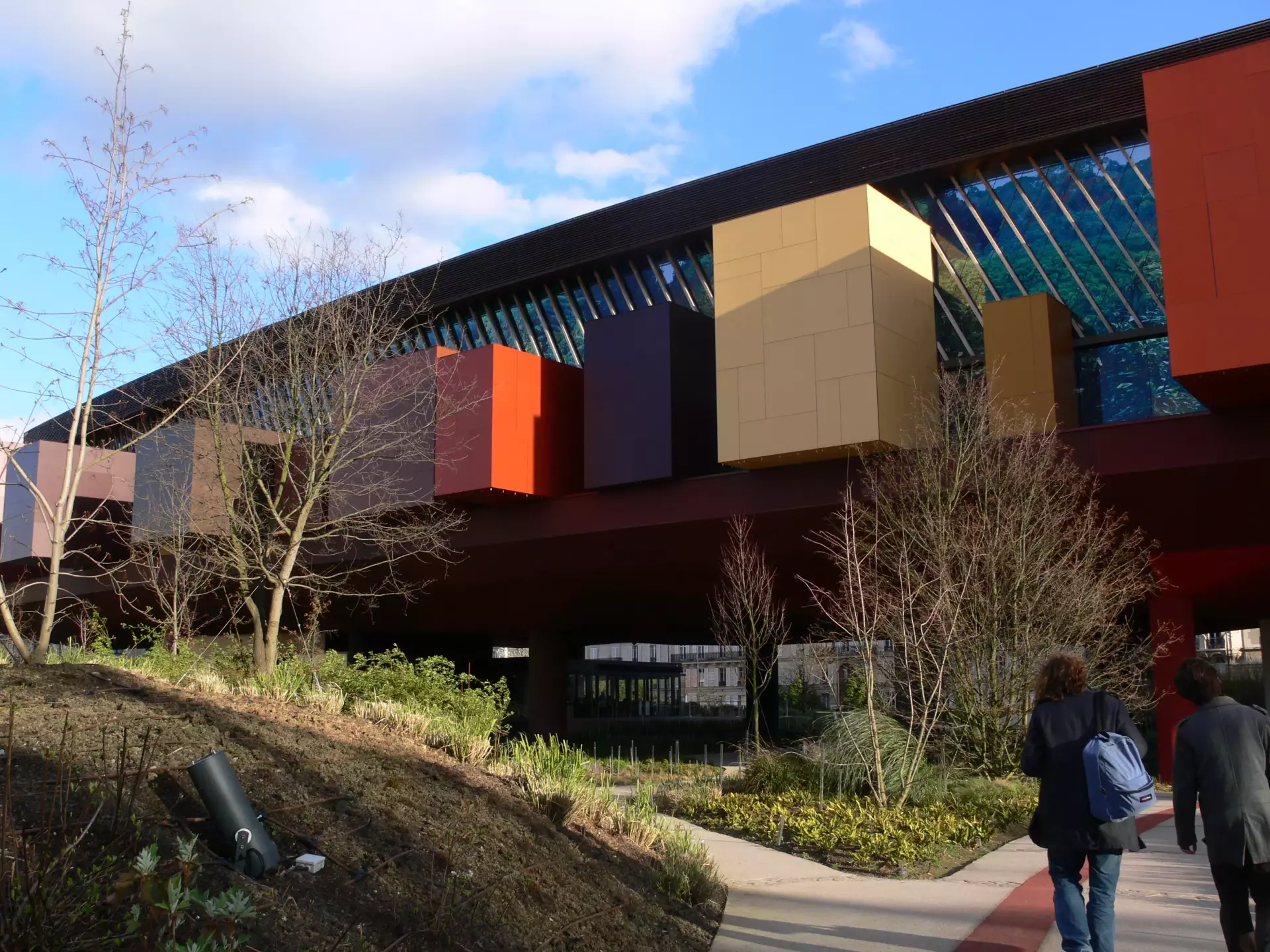
Musée du quai Branly
Paris, FranceOpened in 2006, this is the newest and the most modern of Paris' great museums, housing an outstanding collection of tribal art, with a particular emphasis on France's former (and present) territories in Oceania and Africa. The museum is large and you can easily spend half a day browsing, especially if you pause to explore the multimedia presentations.

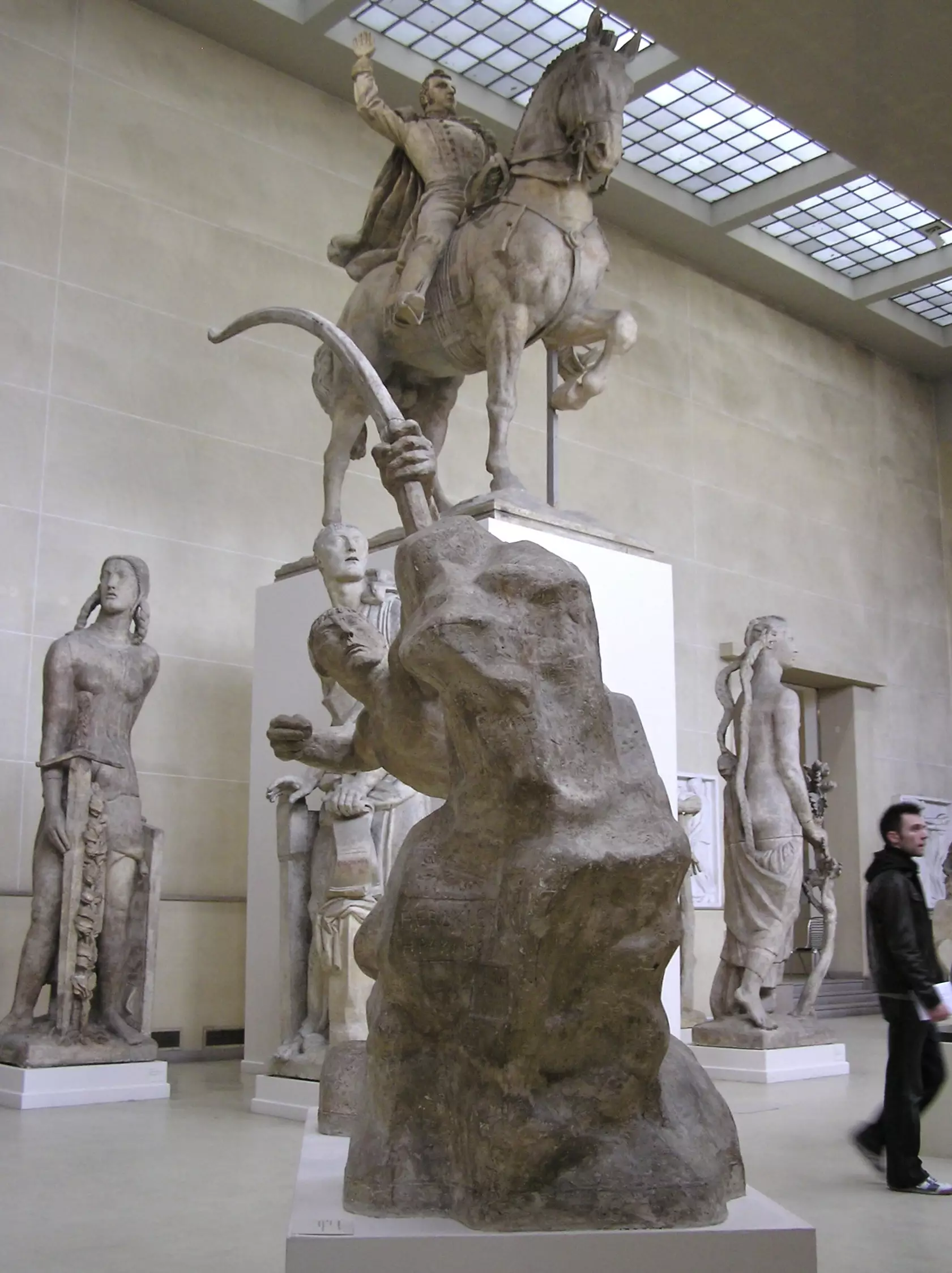
Musée Bourdelle
Paris, France
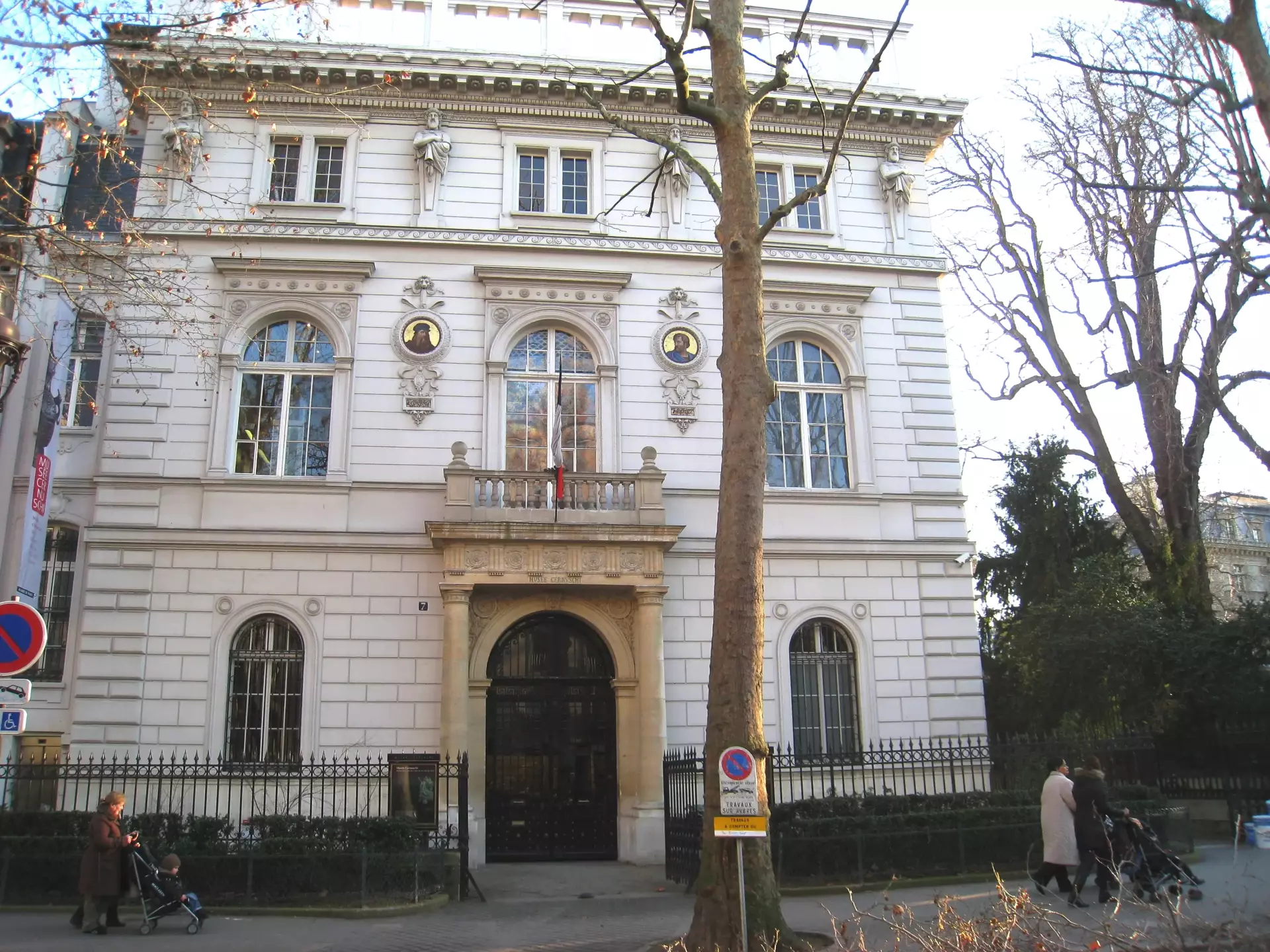
Musée Cernuschi
Paris, France
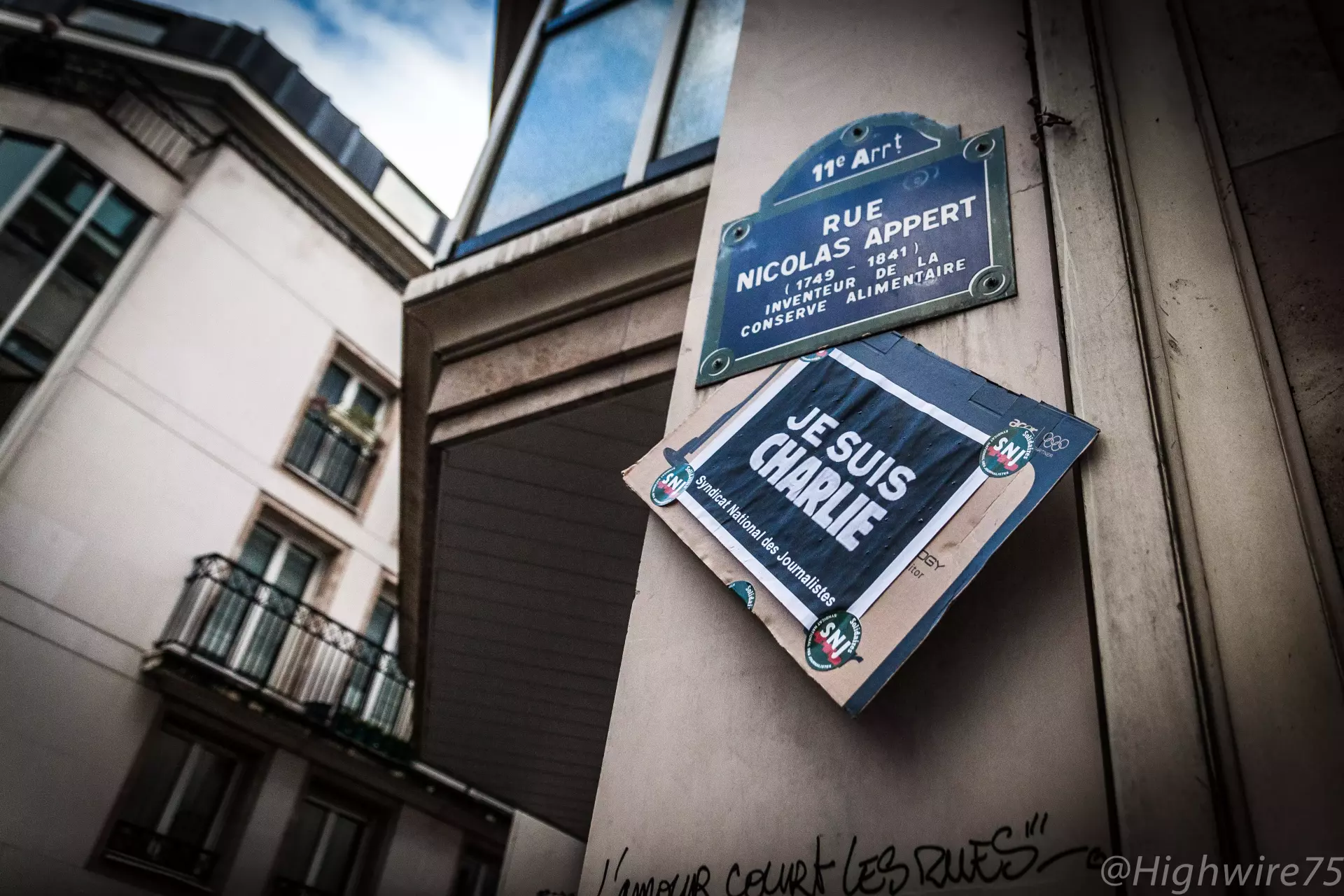
Rue Nicolas-Appert
Paris, FranceThis street is named in honor for Nicolas Appert, a French businessman who invented airtight food preservation. On January 7th, 2015, it was the site of the Charlie Hebdo terrorist attack, which resulted in the deaths of 12 people. A plaque in front of a former office building memorializes the victims of the satirical magazine's staff.

Villa Jeanneret
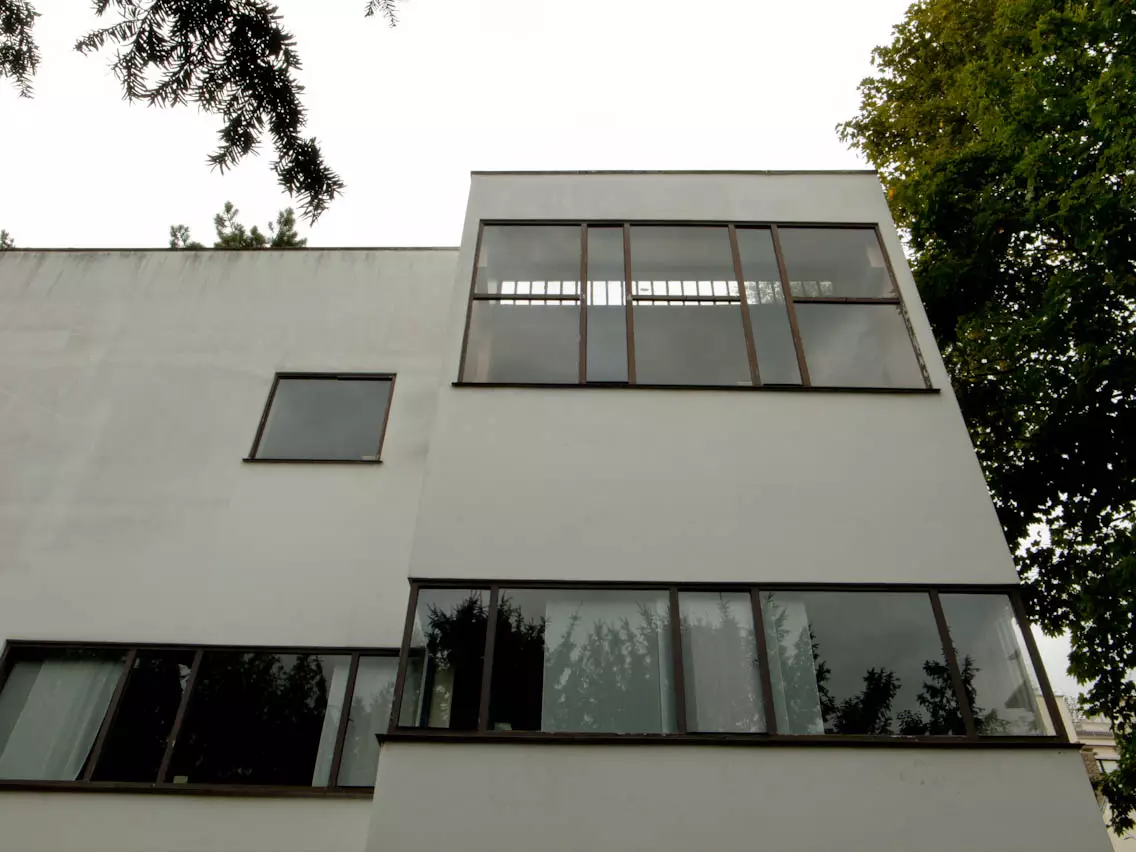
Paris, France
Paris Sewer Museum
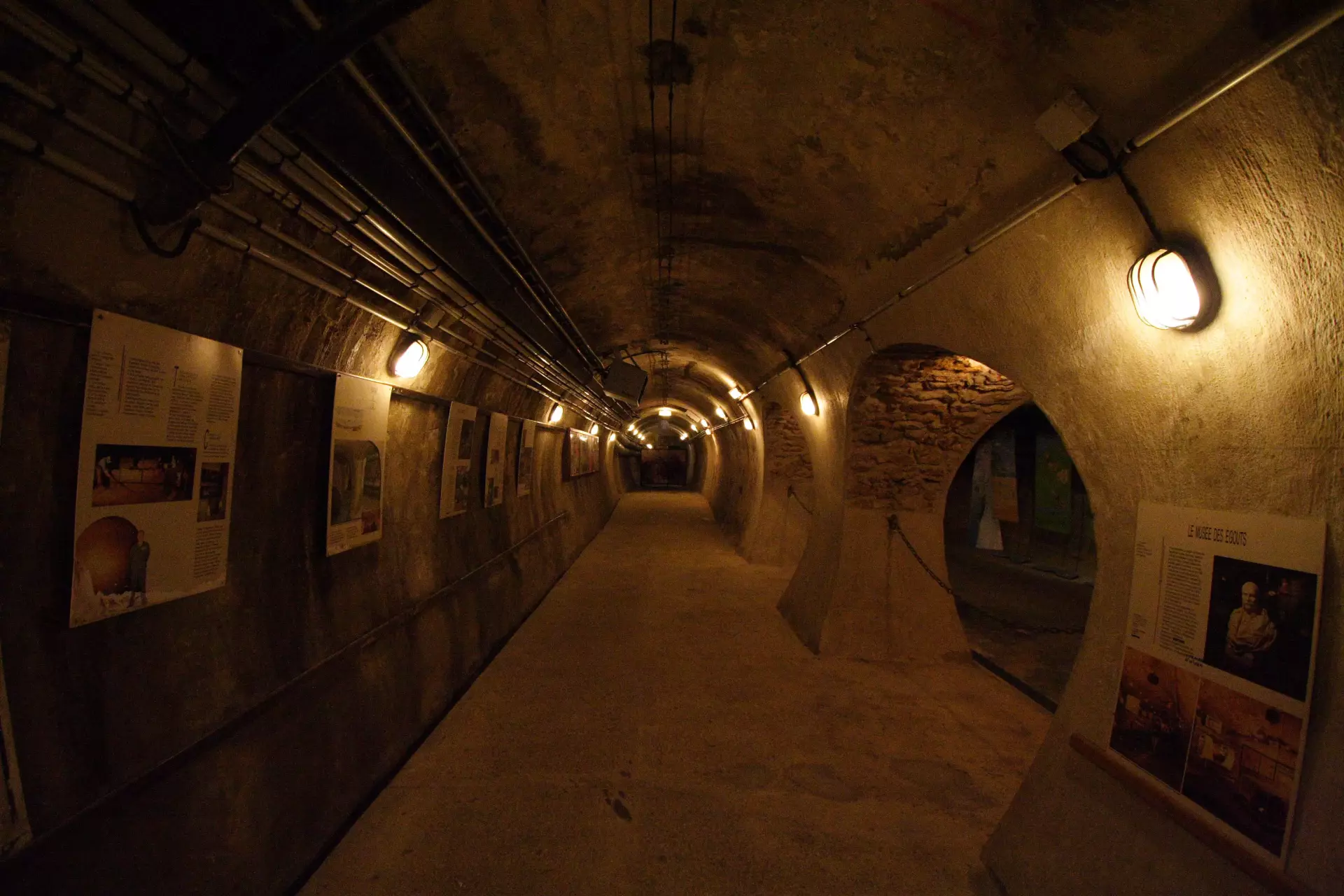
Paris, FranceFor an interesting take on Paris, check out the underground sewers of Paris. See swords found in the sewers over the years and get an appreciation for what it takes to keep Paris running.

Palais de la Porte Dorée
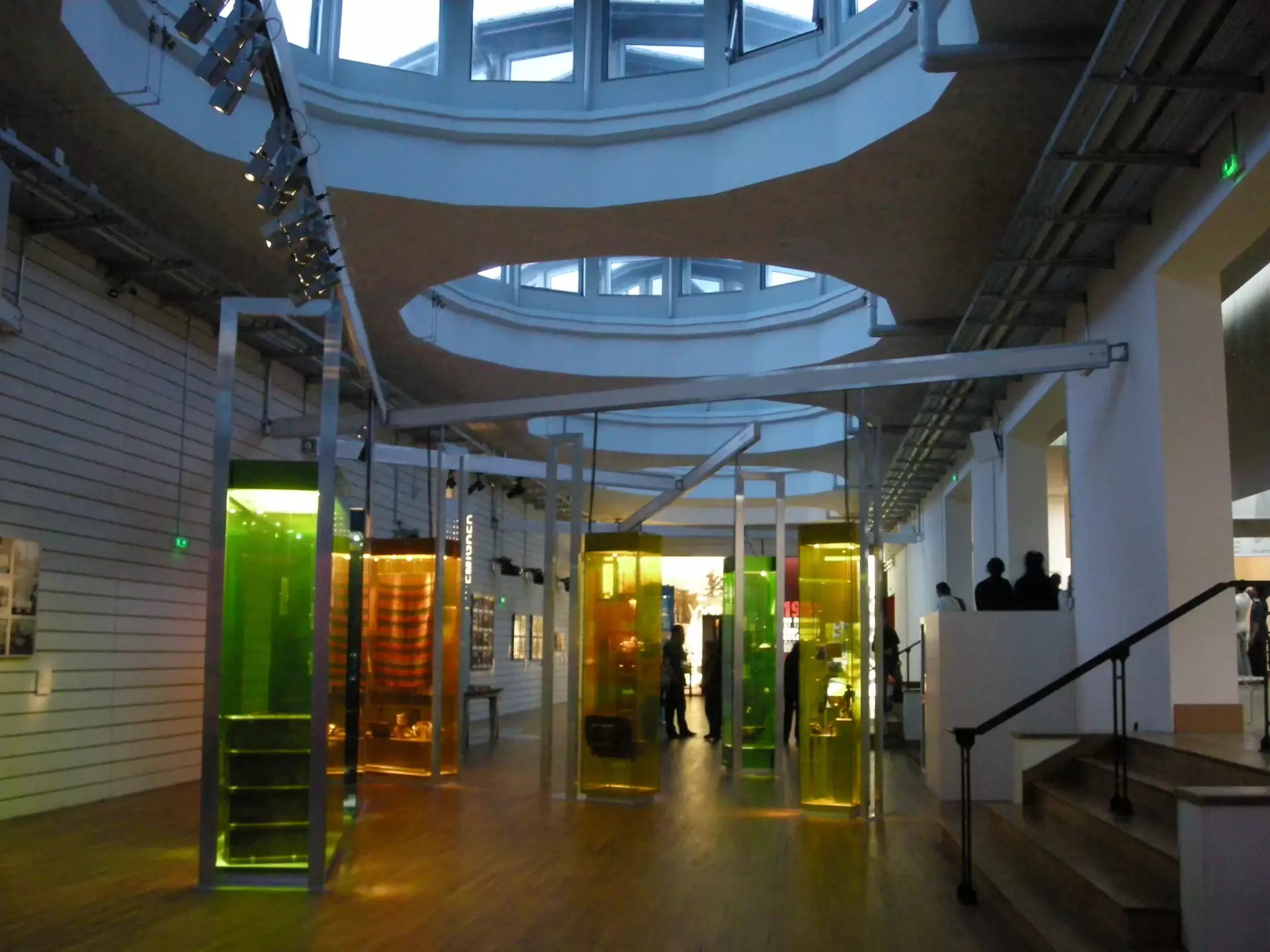
Paris, FranceHoused in an amazing Art Deco building, purpose-built for the 1931 Colonial Exhibition, featuring an elaborate frieze across the front facade that depicts the achievement of French overseas territories. It houses an Aquarium and an Immigration Museum. The aquarium can be seen in about an hour and is popular with families with small children.

Tour Jean-sans-Peur
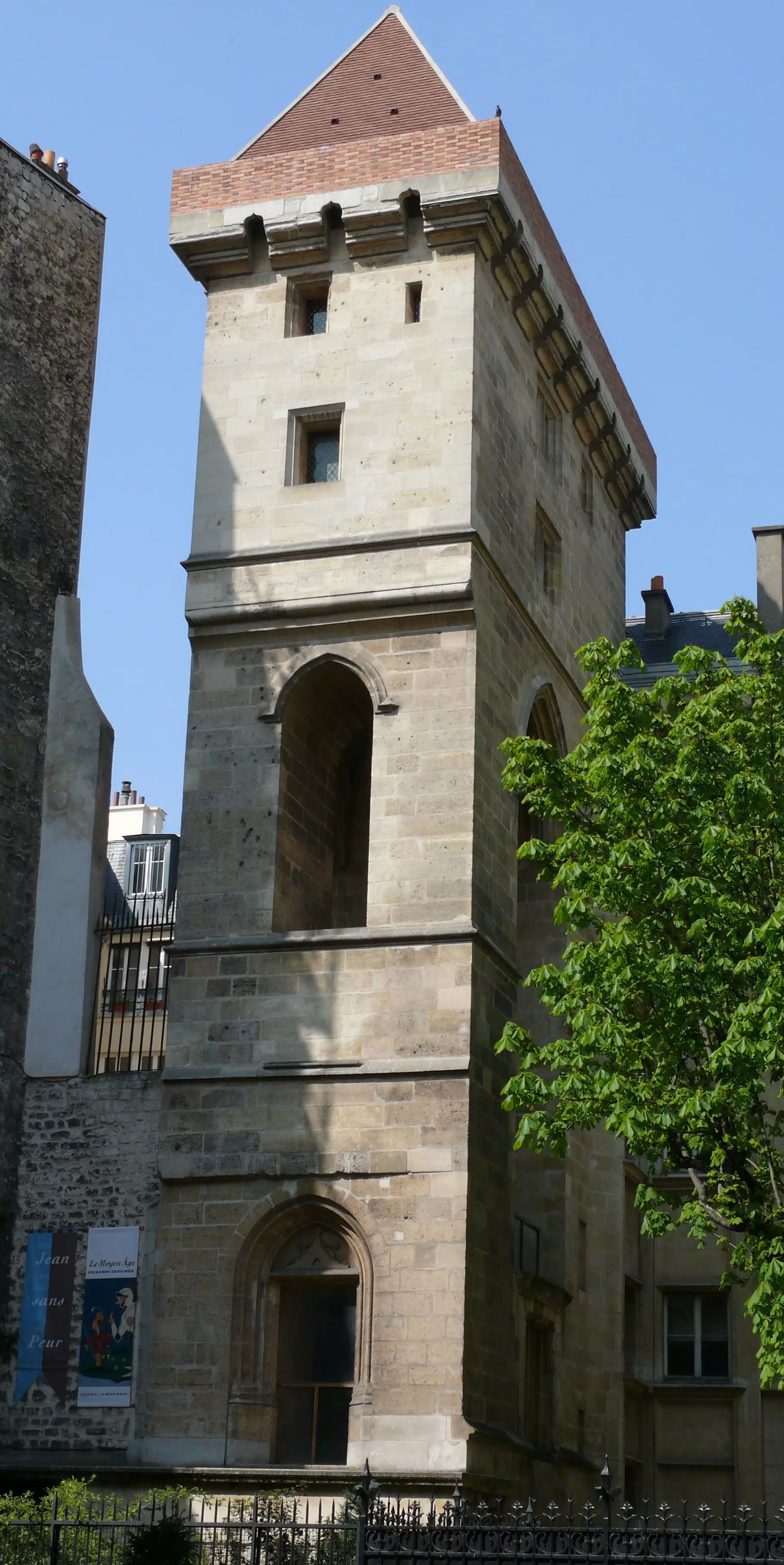
Paris, FranceOne of the last remnants of medieval Paris outside of the 4th, this tower was once part of a castle called l'hôtel de Bourgogne.

Parc de Bercy
Paris, FranceBetween the River Seine and the rail yards attached to Gare de Lyon and Gare de Bercy is a green space which would seem pretty huge if the 12th weren't also the home of the Bois de Vincennes. The park is a good place to hang out waiting for the line to form for sporting events and concerts at AccorHotels Arena.

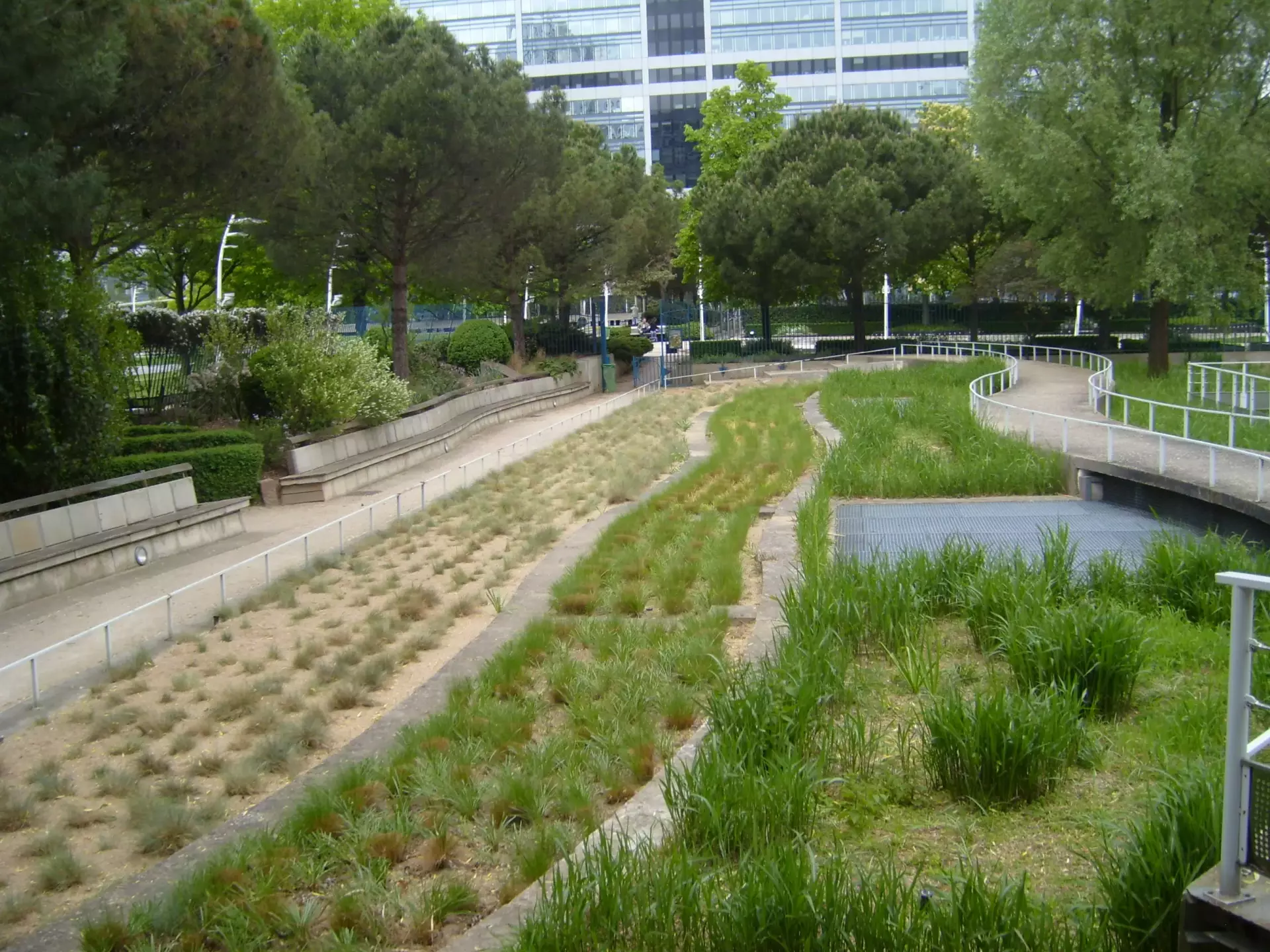
Jardin Atlantique
Paris, FranceSuspended above the train tracks this garden is surprisingly calm and chilled-out.

