Search ×

Tourist attractions in Berlin
Sort by

Schloss and Schlosspark Biesdorf

Berlin, Germany

Russische Botschaft

Berlin, Germany

The Bebelplatz

Berlin, Germany

Neue Kirche

Berlin, Germany

Französischer Dom

Berlin, Germany

Memorial to the Murdered Jews of Europe

Berlin, Germany

Museum für Kommunikation

Berlin, Germany

Memorial to Homosexuals Persecuted Under Nazism

Berlin, Germany

Pergamon Museum

Berlin, Germany

Neues Museum

Berlin, Germany

Egyptian Museum and Papyrus Collection

Berlin, Germany

Museum für Vor- und Frühgeschichte

Berlin, Germany

Altes Museum

Berlin, Germany

Alte Nationalgalerie

Berlin, Germany

Bode-Museum

Berlin, Germany

Berliner Dom

Berlin, Germany

Stadtschloss – Humboldt Forum

Berlin, Germany

Fernsehturm

Berlin, Germany

Weltzeituhr

Berlin, Germany

Neptunbrunnen

Berlin, Germany

Rotes Rathaus

Berlin, Germany

Marienkirche

Berlin, Germany

Nikolaikirche

Berlin, Germany

Nikolaiviertel

Berlin, Germany

Schloss and Schlosspark Biesdorf

Berlin, Germany

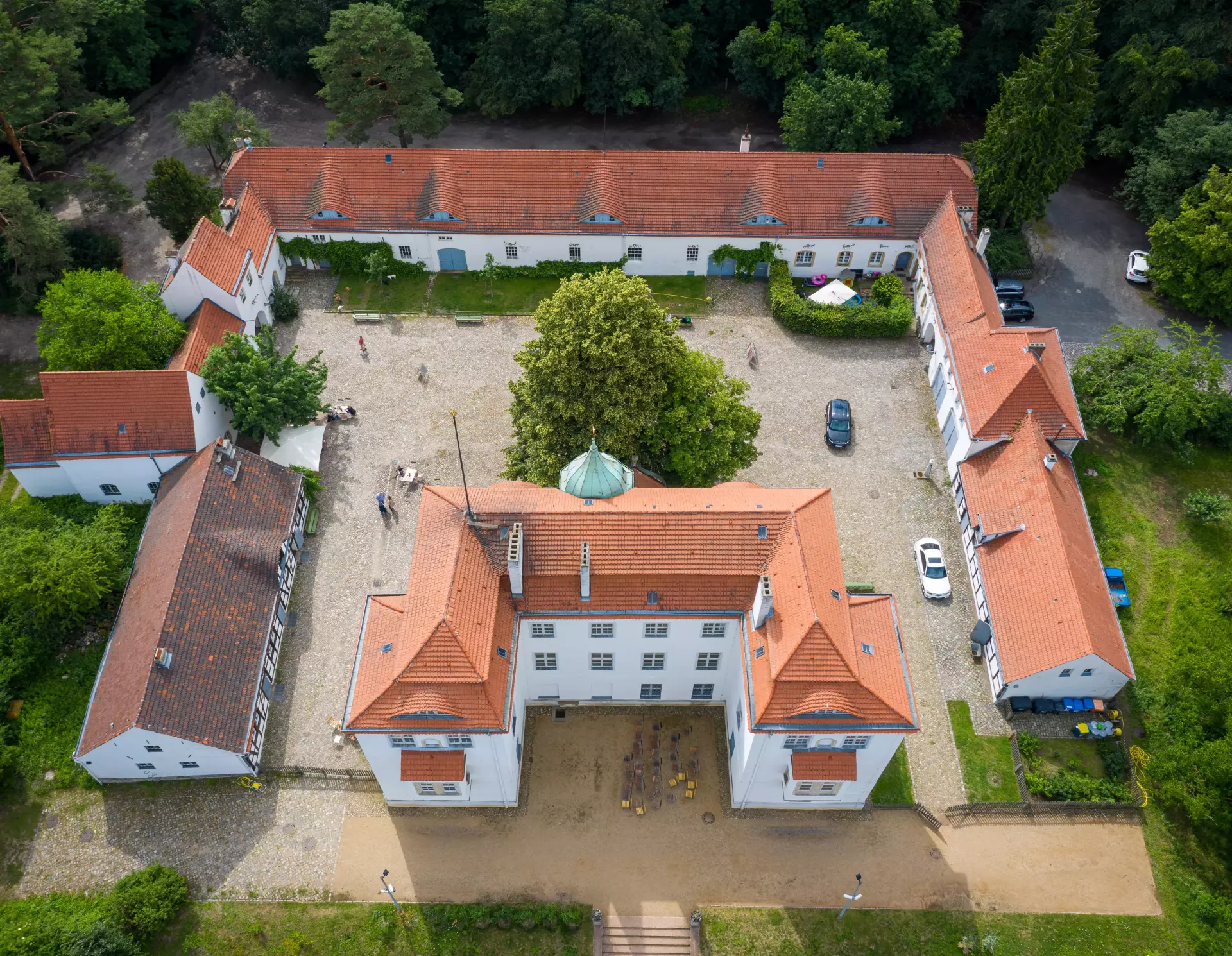
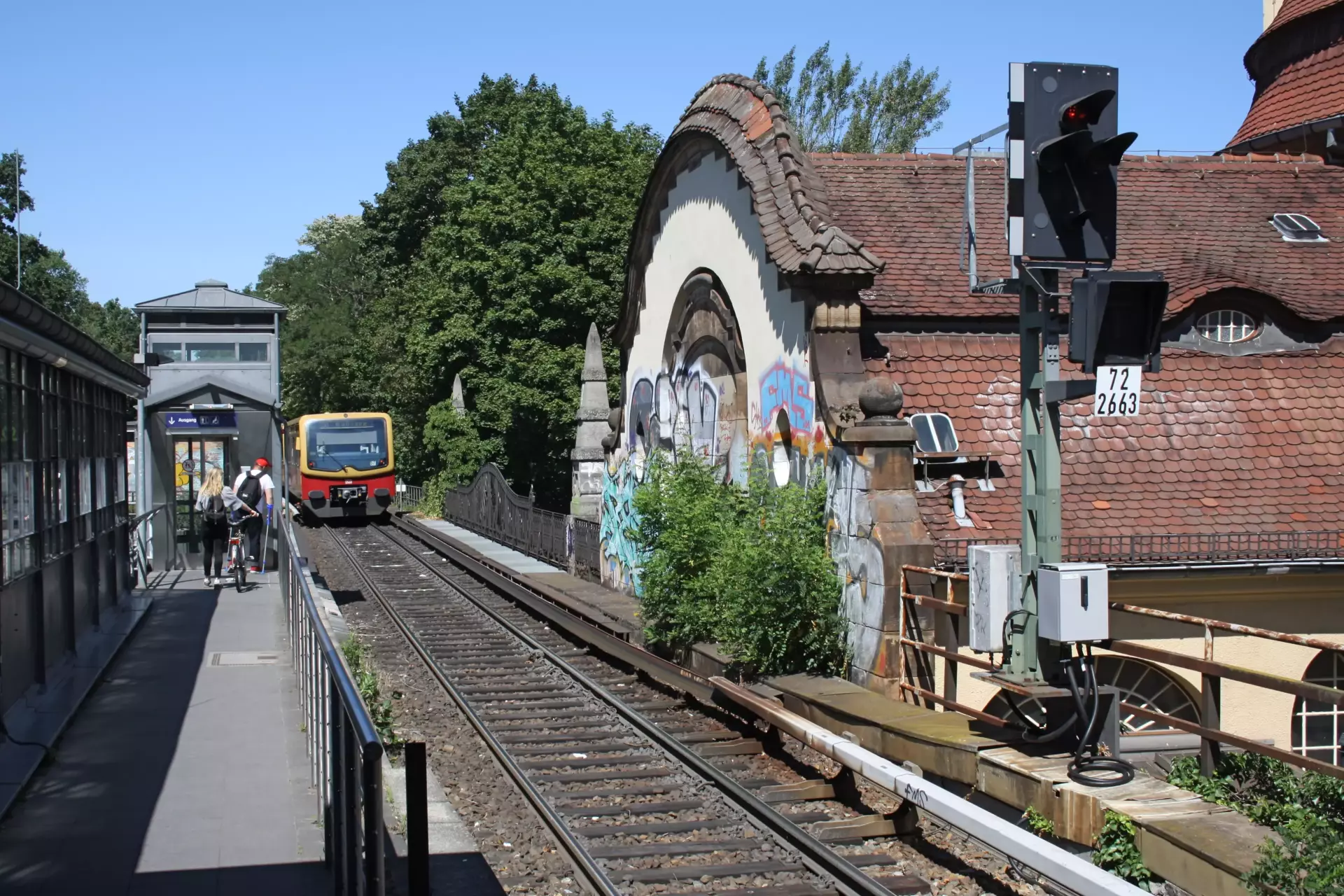
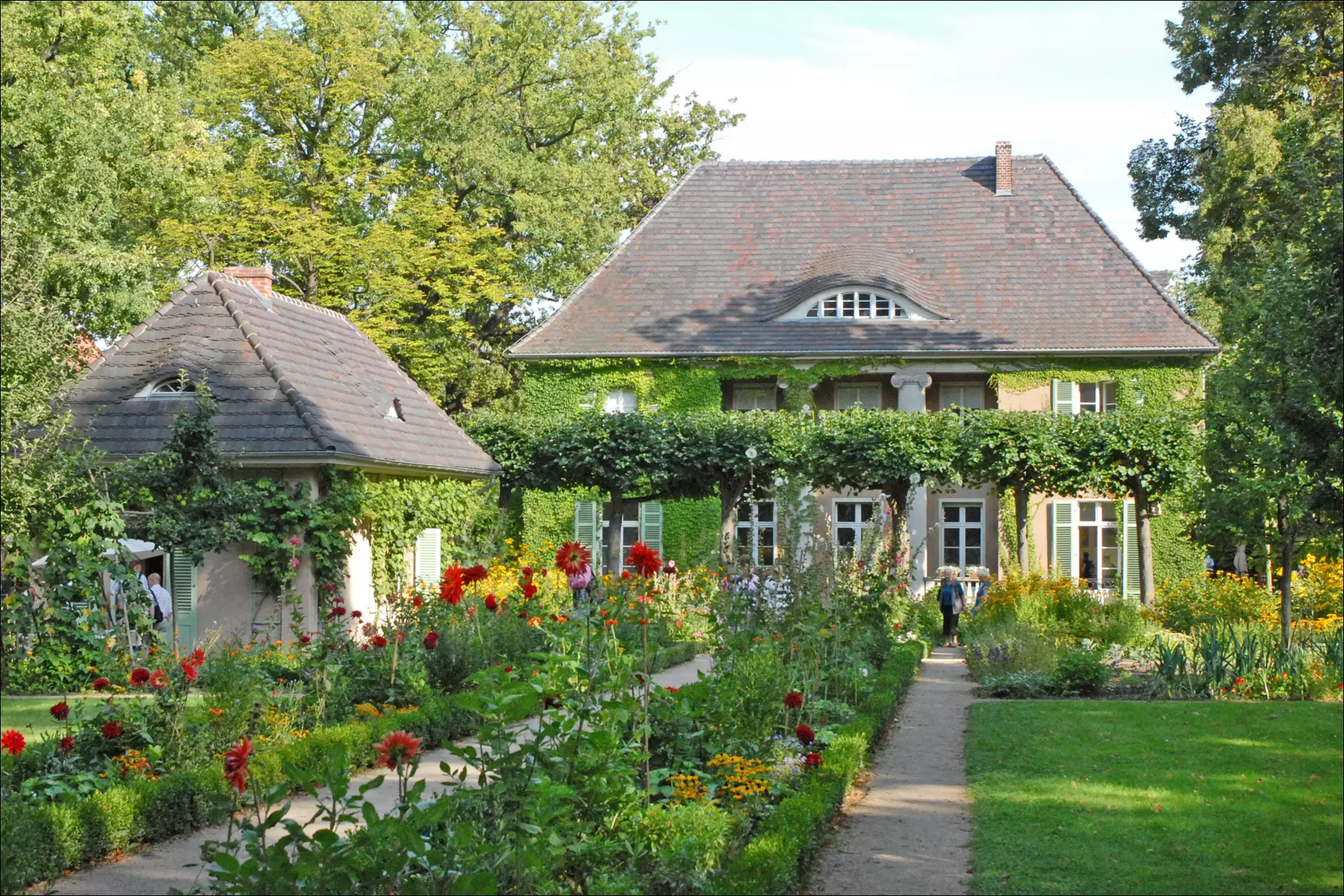
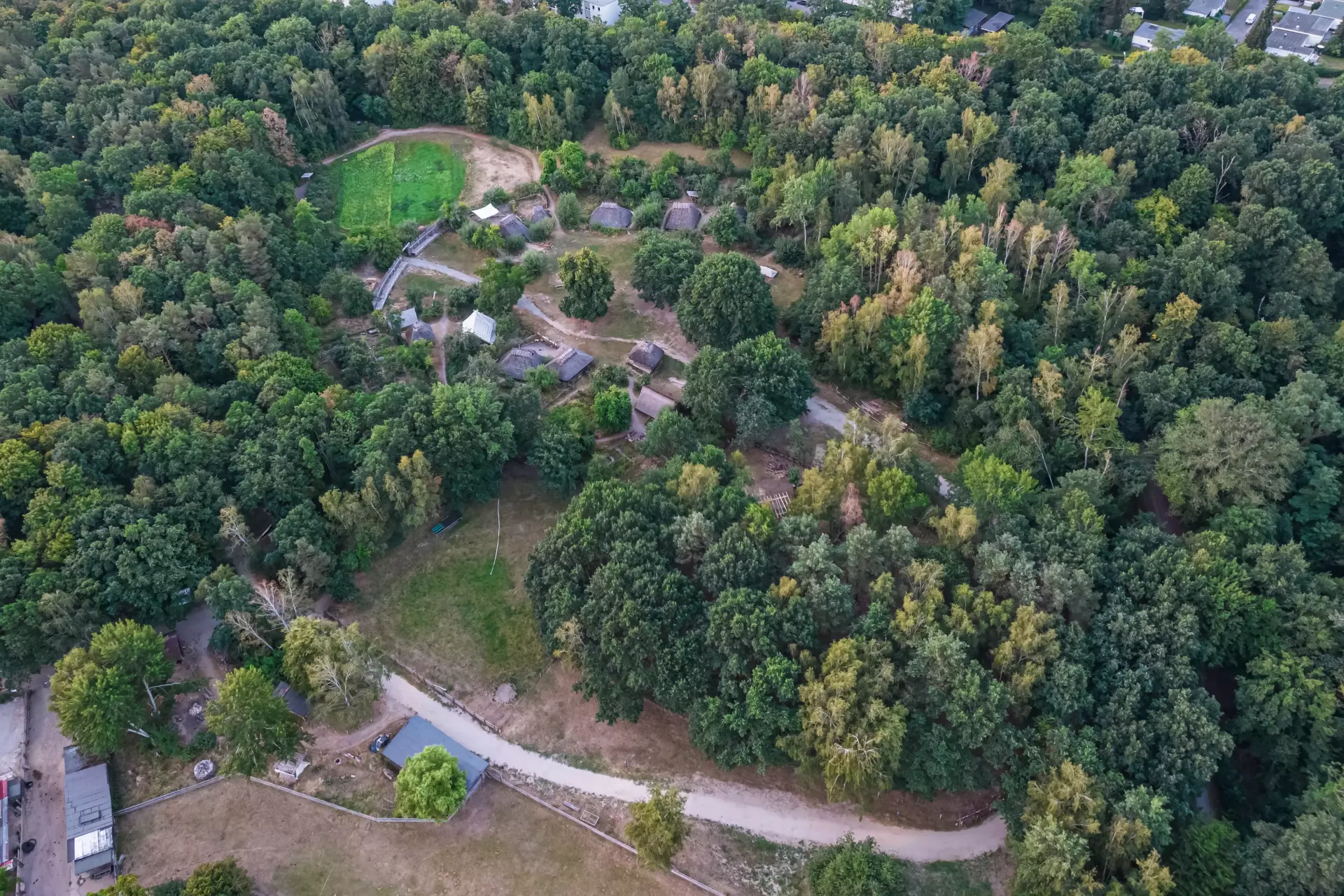
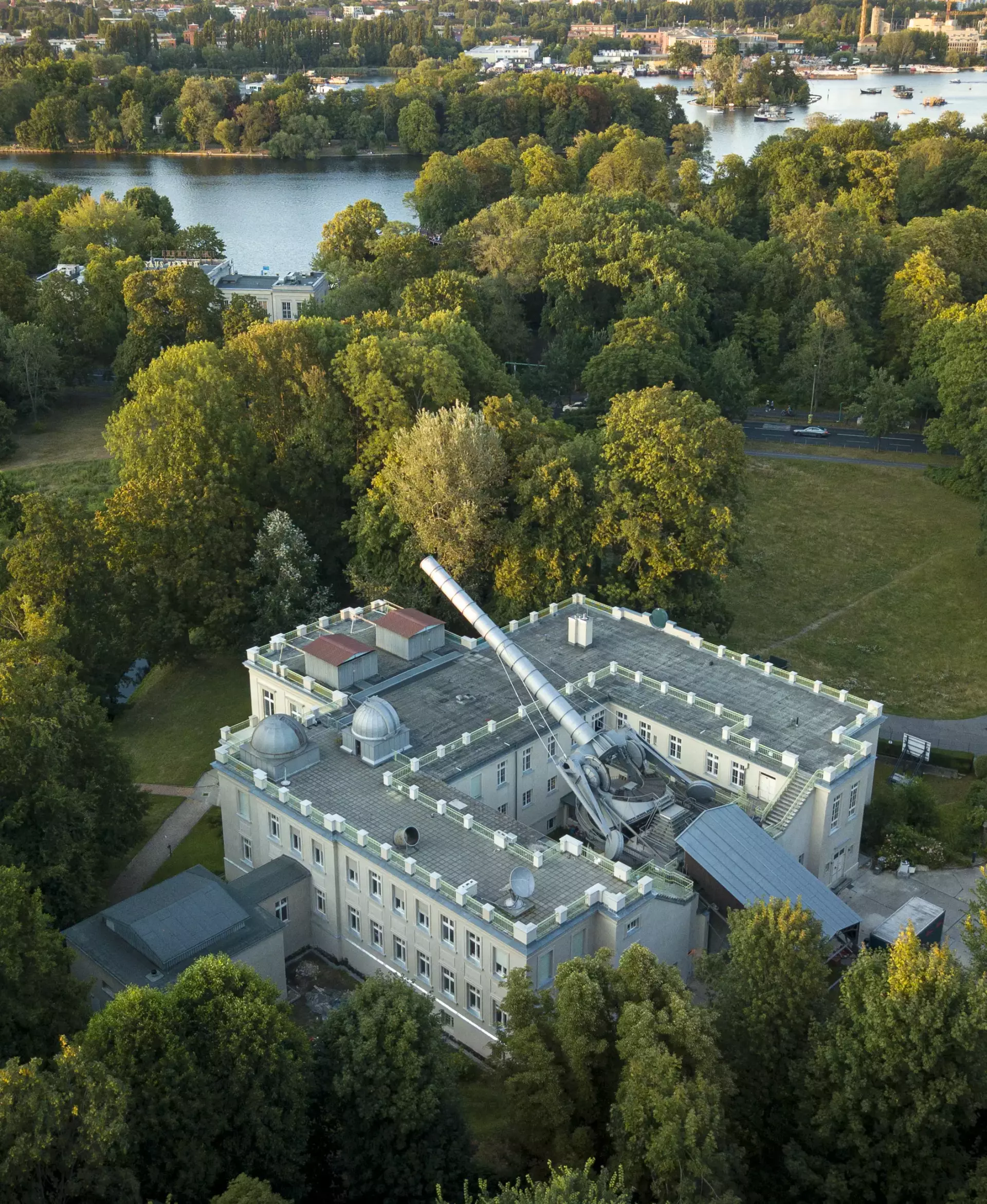
A small castle in late classical style. It was built 1868 by Martin Gropius (uncle of the Bauhaus-founder and other architects, the von Siemens family changed the castle a bit around 1900 and they enlarged the dimensions of the park, which is today renovated and nice to wander around when the sun is shining. Located within a few minutes' walking distance from Biesdorf station (take the S5 from the city centre) or Elsterwerdaer Platz station (U5).

Russische Botschaft

Berlin, Germany

A vast wedding cake of a building, built between 1949-1951 in the best Stalinist style and meant to symbolize the dominance of the Soviet Union in East German affairs before 1989.

The Bebelplatz

Berlin, Germany

Nazi Propaganda Minister Josef Goebbels made Bebelplatz (then called Opernplatz) infamous on 10 May 1933, when he used the square across from Humboldt University to burn 20,000 books by "immoral" authors of whom the Nazis did not approve. Their list included Thomas and Heinrich Mann, Arnold Zweig, Kurt Tucholsky and Sigmund Freud. Today a monument is the reminder, though it blames Nazi students for the episode. When entering the square it's easy to miss the monument. It is in that part of Bebelplatz bounded on one side by the Opera House and on the other side by Humboldt University. Look dead centre: the monument is underground. A piece of plexiglass allows the viewer to look underground into a large, white room, filled with entirely empty, blank white bookcases. The room is large enough to hold the 20,000 books that were burnt. The absence of books reminds the viewer just what was lost here: ideas. But the event did reveal things to come, as ethnically Jewish author and philosopher Heinrich Heine, whose books were burned, let one of his characters say in an 1821 play: "This was only the foreplay. Where they burn books, they will also burn people." He was correct.

Neue Kirche

Berlin, Germany

The Gendarmenmarkt is a square in the Friedrichstadt with the Konzerthaus (concert hall) and in front of the statue of Germany's poet Friedrich Schiller, the Neue Kirche (New church) and the Französischer Dom (French cathedrals). Berlin’s Deutscher Dom on the magnificent Gendarmenmarkt square is not to be confused with the Berliner Dom. It was built in 1708. Since 1992 a German Parliament exhibition can be seen here entitled “Paths, Loosing Track and Detours” or the development of parliamentary democracy in Germany – ways and roundabouts. No religious services are held here. The French cathedral houses the Hugenottenmuseum. It represents the ongoing influence on Berlin by the Huguenots who emigrated from France after the revocation of the Edict of Nantes. Crown Prince Friedrich William encouraged them to settle here because most of them were skilled workers or otherwise useful to the kingdom. One memorable artwork, in room nine of the museum, pictures Crown Princess Dorothea exclaiming "But he's a refugee!" upon being presented a very valuable set of jewels by Pierre Fromery. The generally agreed-upon view of refugees as poor, without resources let alone diamonds, was blown apart by the talented French Protestants forced to leave their country due to religion. One of the most notable effects of having such a large French population was their influence on the infamous Berlin dialect. Berlinerisch words such as Kinkerlitzchen (from French "quincaillerie" - kitchen equipment) and Muckefuck (from French "mocca faux" - artificial coffee, though that etymology is not universally accepted) are unique to the area. The Französischen Dom (cathedral) itself was built to resemble the main church of the Huguenots in Charenton, France, destroyed in 1688. It has housed the museum since 1929. Closed till 2019

Französischer Dom

Berlin, Germany
The French cathedral houses the Hugenottenmuseum. It represents the ongoing influence on Berlin by the Huguenots who emigrated from France after the revocation of the Edict of Nantes. Crown Prince Friedrich William encouraged them to settle here because most of them were skilled workers or otherwise useful to the kingdom. One memorable artwork, in room nine of the museum, pictures Crown Princess Dorothea exclaiming "But he's a refugee!" upon being presented a very valuable set of jewels by Pierre Fromery. The generally agreed-upon view of refugees as poor, without resources let alone diamonds, was blown apart by the talented French Protestants forced to leave their country due to religion. One of the most notable effects of having such a large French population was their influence on the infamous Berlin dialect. Berlinerisch words such as Kinkerlitzchen (from French "quincaillerie" - kitchen equipment) and Muckefuck (from French "mocca faux" - artificial coffee, though that etymology is not universally accepted) are unique to the area. The Französischen Dom (cathedral) itself was built to resemble the main church of the Huguenots in Charenton, France, destroyed in 1688. It has housed the museum since 1929. Closed till 2019

Memorial to the Murdered Jews of Europe

Berlin, Germany
A vast Holocaust memorial designed by the American architect Peter Eisenman. Opened in the spring of 2005, this gigantic abstract artwork covering an entire block near the Brandenburg Gate, including an underground information centre with extensive details on the Holocaust and the people who died during it. The blocks start out at ground level on the outer edges of the memorial, and then grow taller towards the middle, where the ground also slopes downwards. Entry to the information centre is free although priority is given to prebooked groups so there may be a short queue.

Museum für Kommunikation

Berlin, Germany

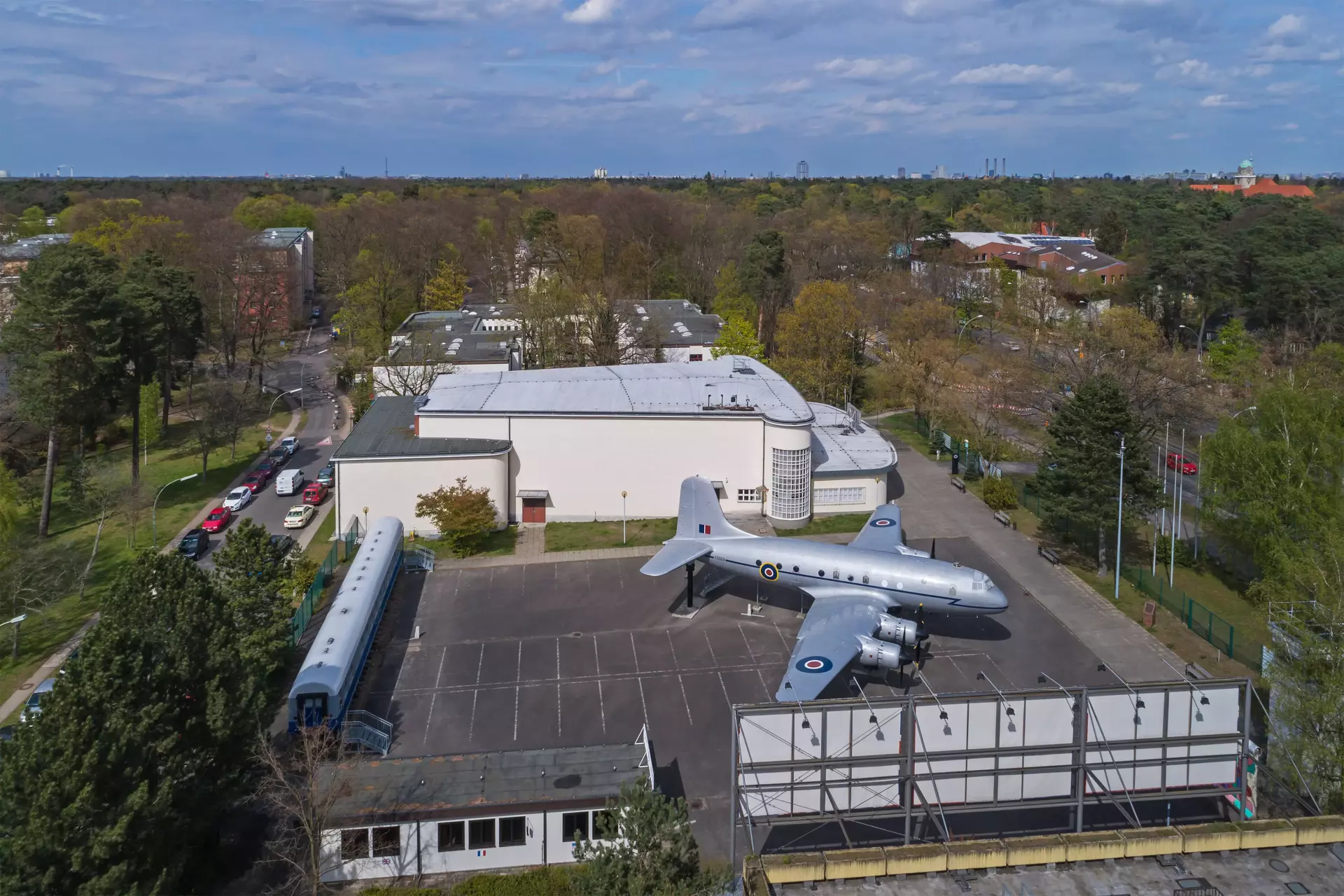
The former Imperial General Post Office, now Museum for telecommunication and post with many interesting historical objects.

Memorial to Homosexuals Persecuted Under Nazism

Berlin, Germany

A cuboid made of concrete. On the front side of the cuboid is a window, through which visitors can see a short film of two kissing men. The video will be changed every two years and will also show kissing lesbians.

Pergamon Museum

Berlin, Germany
There are three huge collections housed within this grand building: the Collection of Classical Antiquities, the Museum of Near Eastern Antiquities and the Museum of Islamic Art. The Pergamon Museum was the last museum built on Museumsinsel (Museum Island) and was intended to house the great acquisitions brought to Germany by archaeologists of the eighteenth and nineteenth century. The museum's best-known attraction is the Pergamonsaal. The Pergamon Altar (165 BC), from the eponymous Asia Minor city-state, is three stories high and served as the entrance gate to an entire complex. It is astounding both because of its size and extremely precise detail, especially in a frieze which shows the gods battling giants. The entire room is the same colour as the building's stone, making the details on the frieze section stand out even more. Facing the stairs, on the left hand side of the room there is a small-scale model of the altar which allows the viewer to see where the frieze segments would have been mounted. A 1:300 scale model of Pergamon city is on the right side of the room. The monumental market door of Milet has just been restored.Every first Sunday of the month, many museums in Berlin are free of charge. Sometimes a reservation is necessary in advance. For more information, see Museums Sonntag Booking.Since 2018 there is also a huge 360° panorama of Pergamon in another museum building, which is included in the Pergamon-only ticket.

Neues Museum

Berlin, Germany

Egyptian Museum and Papyrus Collection

Berlin, Germany
Exhibits include the Egyptian and Prehistory and Early History collections. It houses the famous bust of Nefertiti (the legality of its acquisition is still contested by the Egyptian state which is trying to get it back, so you might want to hurry to see it there).

Museum für Vor- und Frühgeschichte

Berlin, Germany
Museum for Pre- And Early History with objects from the Collection of Classical Antiquities in the Neues Museum.

Altes Museum

Berlin, Germany

The main floor houses the antiquities collection in an ongoing exhibit called "Neue Antike im Alten Museum" (New Antiquities in the Old Museum). Directly through the front door, entering from the Lustgarten (Pleasure Garden, now under reconstruction), there is a domed rotunda with red and white cameos, Greek-style, with statues of the gods. To reach the Hildesheim silver collection, go to the back of the rotunda, turn left, walk through the long gallery and turn left into a small room at the end.

Alte Nationalgalerie

Berlin, Germany

Specializes in 19th-century painting and sculpture; Monet, Manet, Cézanne, C. David Friedrich and other important 18th- and 19th-century artists are well-represented.

Bode-Museum

Berlin, Germany

The museum’s treasures include the sculpture collection with works of art from the middle ages to the 18th century. The Bode museum is best known for its Byzantine art collection and the coin cabinet.

Berliner Dom

Berlin, Germany

The city's Protestant cathedral and the burial place of the Prussian kings. You can climb to the top and get a view of the city.

Stadtschloss – Humboldt Forum

Berlin, Germany

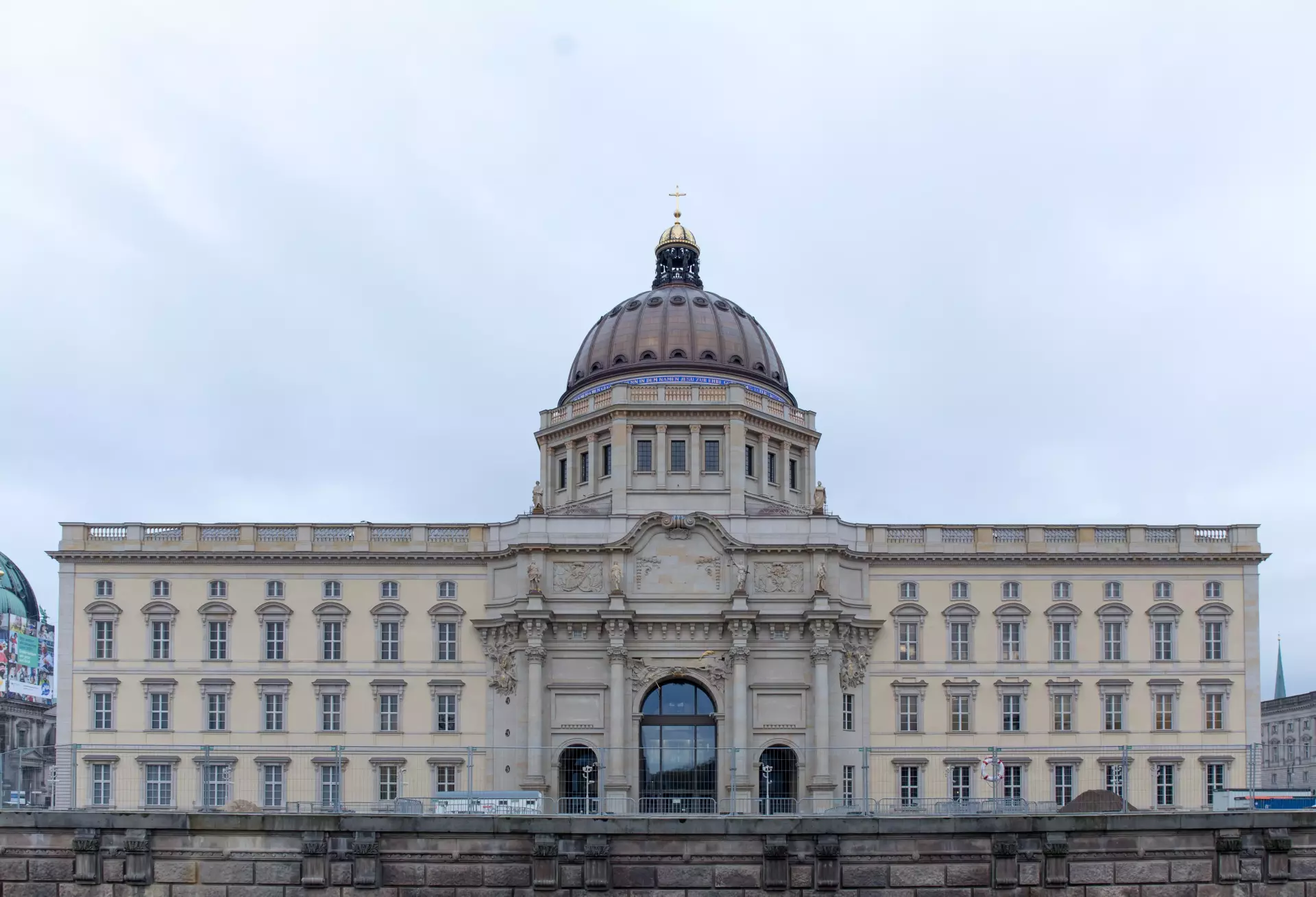
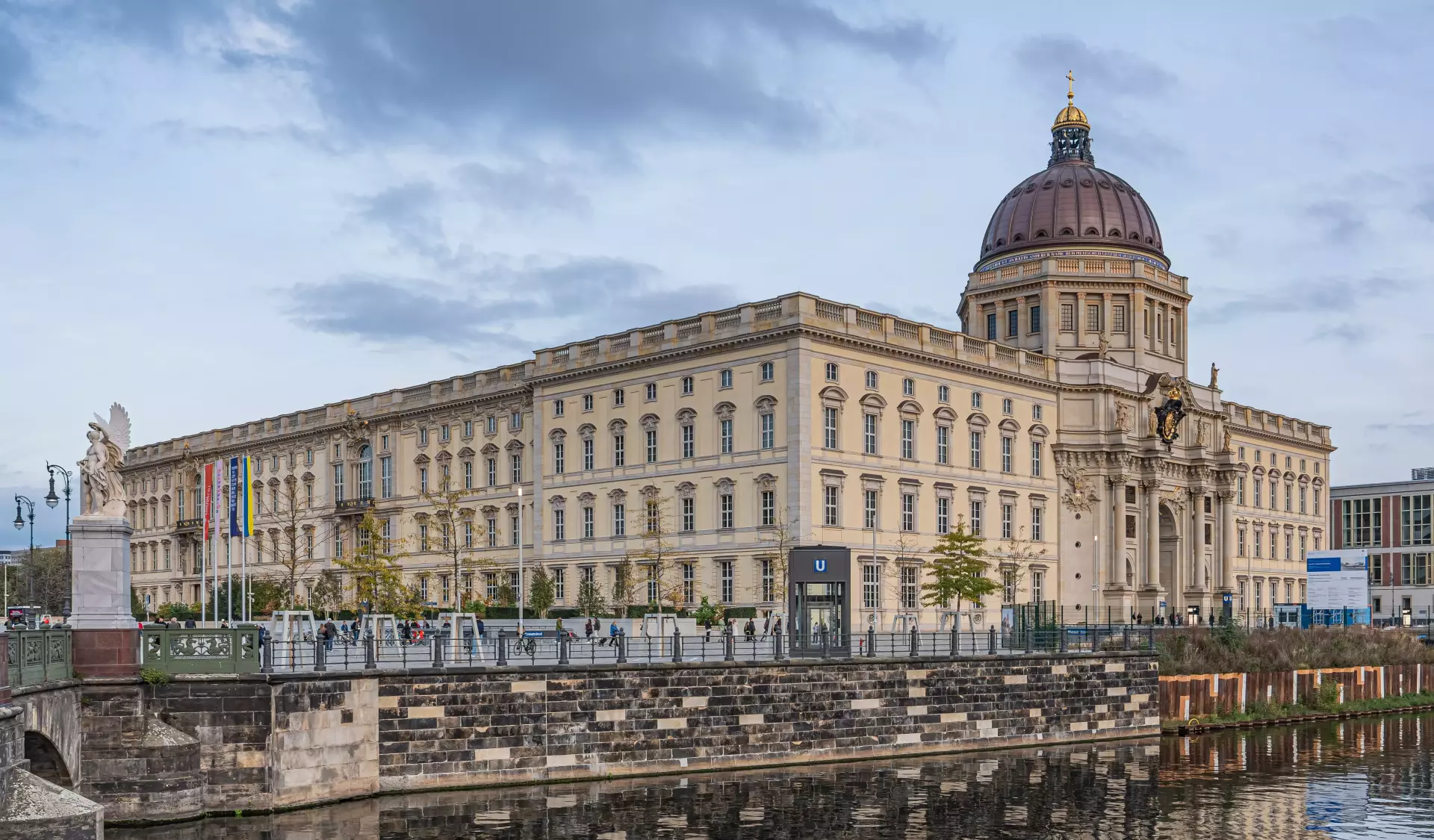
Started in the 15th century and finished in the mid-18th century, the baroque palace was the residence of electors, kings and emperors until 1918, when it became a museum. The palace was badly damaged during World War II and later razed in 1950, replaced by the GDR with a modernist Palast der Republik. The Palast was in turn gradually dismantled at the turn of the century, as it was discovered to contain asbestos and its former function of housing the GDR parliament became obsolete. Berlin has started in June 2013 construction on a new version of its historic Stadtschloss. The Schlüterhof, an inner courtyard, was also rebuilt. The building opened with a delay in 2021 with museums inside and a roof terrace with a good view. Among the Berlin museums this is perhaps the most controversial due to reconstruction of a monarchist palace being seen as a questionable political statement and due to the fact that many of the exhibits were sourced from German colonies under ethically questionable circumstances leading to demands to return some or all of them to their places of origin.

Fernsehturm

Berlin, Germany
At 368 metres, the Fernsehturm is Berlin's tallest and indeed EU's second-tallest building, complected between 1965 and 1969. The main function of the building is television broadcasting, but the shiny sphere atop the tower houses a viewing platform, a restaurant and a Berlin Tourist Information point. The viewing platform sits 203 metres above ground, affording views of as much as 42 km away and featuring a bar. Given how flat Berlin is, it's not a very interesting view however and the state of the glass means that you can't get good photos either. The Sphere restaurant at 207 metres rotates at a speed of one full spin per 30 minutes. There are two lifts from the base to the platform and cafe, taking 40 seconds to reach the top, as well as a 986-step staircase. The Fernsehturm is not accessible to wheelchair users.Not all of the Berliners liked the tower and the overall composition of the Alexanderplatz afforded by the socialist city planners. East German T.V. tried to establish the nickname "Telespargel" ("television asparagus") which however doesn't seem to have caught on. During certain times of day, sunlight reflecting from the top caused a large cross-shaped light to shine down on the city. Called the Rache des Papstes (Pope's revenge) by nominally atheist East Berliners, the light-cross was an ironic result of socialist architecture. Rumour has it the architect was deprived of more than his next commission after that fiasco. At night, the Fernsehturm sometimes appears to be shooting light beams from the tower section, giving the impression it's a Death Star à la Star Wars.

Weltzeituhr

Berlin, Germany
Built in 1969, this 16-ton, communist-era clock is one of Berlin's main meeting points. Each of its 24 sides corresponds to one of Earth's 24 time zones and it has the names of some of the world's most important cities written on it.

Neptunbrunnen

Berlin, Germany
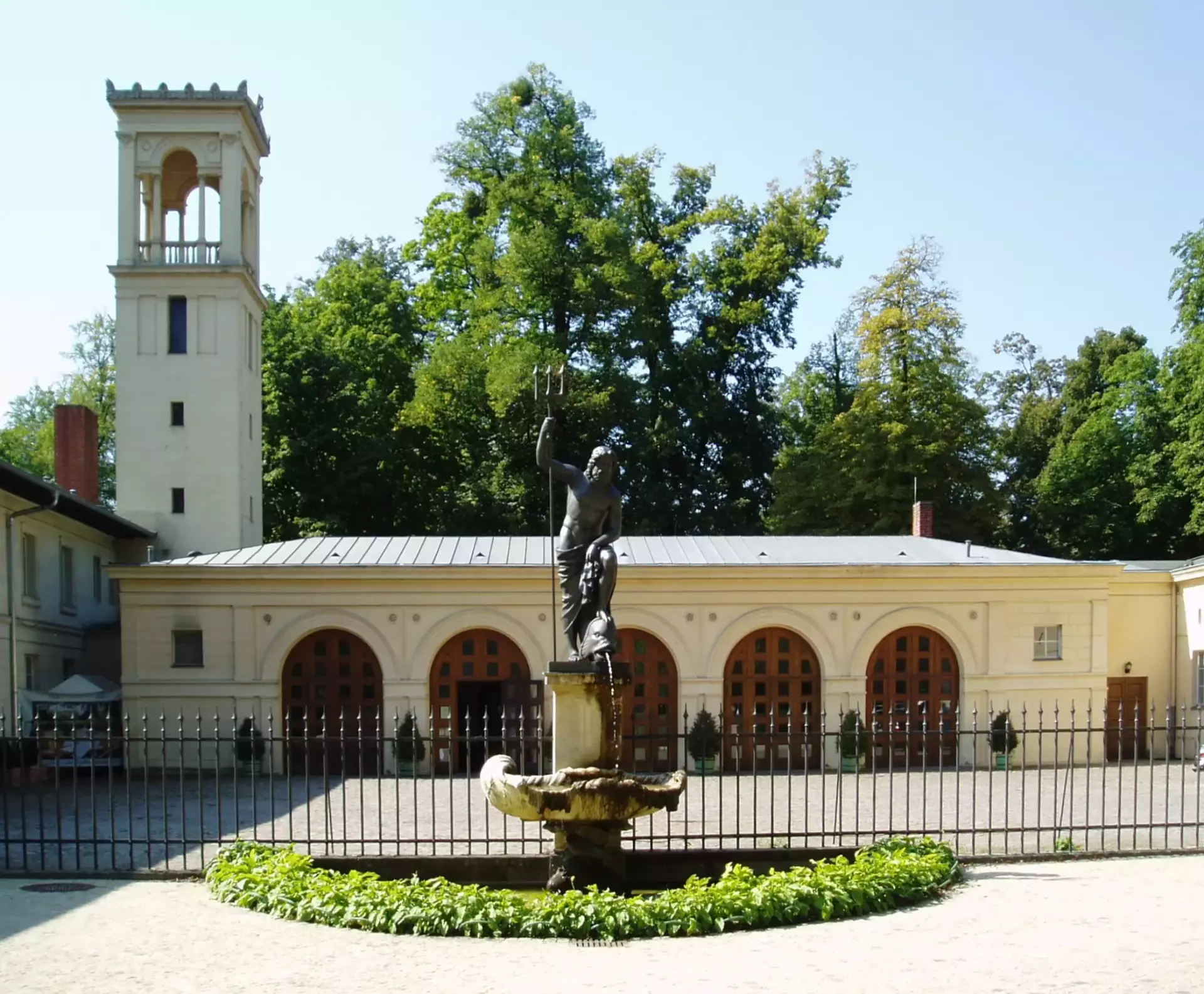
A bronze fountain by Reinhold Begas. It was erected in 1891 as a present from the city of Berlin to the Kaiser. Neptune, trident in hand, presides over the square supported by sea-nymphs with webbed feet carrying him on a seashell. Denizens of the deep (a seal, an alligator, snakes and turtles, among others) spray water at him in homage while languishing mermaids pour water into the fountain, clutching sea-nets overflowing with marine bounty.

Rotes Rathaus

Berlin, Germany

The town hall of Berlin is known as such because it is made of red brick, not due to its former political persuasion. There are nice Prussian rooms inside, which are worth a look.

Marienkirche

Berlin, Germany

Gothic church, the second oldest (built in late 13th century) of the historical centre of Berlin. It's the highest church tower of Berlin (about 90 m), but seems rather small beneath the gigantic TV tower. The church tower was built in the late 18th century by Carl Gotthard Langhans, the architect of the Brandenburg Gate.

Nikolaikirche

Berlin, Germany

Berlin's oldest church (1230) is a 3-nave hall church. It is in the centre of an area destroyed by bombs in the war which was then turned into a faux "old town" by the East German authorities called Nikolaiviertel. The area is more a hodge-podge of relocated buildings than an authentic reproduction, and the newly-built 1988 apartments that attempt to "harmonize" with the older buildings are embarrassing. The church is one of the only structures that was renovated rather than rebuilt. It is best known for a sandstone sculpture called the Spandauer Madonna (1290), but there are other interesting pieces here. When the church was destroyed in 1938 and rebuilt in the 1970s, the communist officials intended to use it as a museum, which did not open until 1987. The museum includes sacred textiles and religious sculpture from the fourteenth to the sixteenth centuries. The Nikolaikirche is the showplace of the Nikolaiviertel, which isn't saying much.

Nikolaiviertel

Berlin, Germany
Developed by Reflex.com.ua
Contacts
  • info@reflex.com.ua
Social media